Nutritionists highlight the unique benefits of oat, coconut, and soy milk, guiding consumers toward healthier dairy-free options that suit their diets.
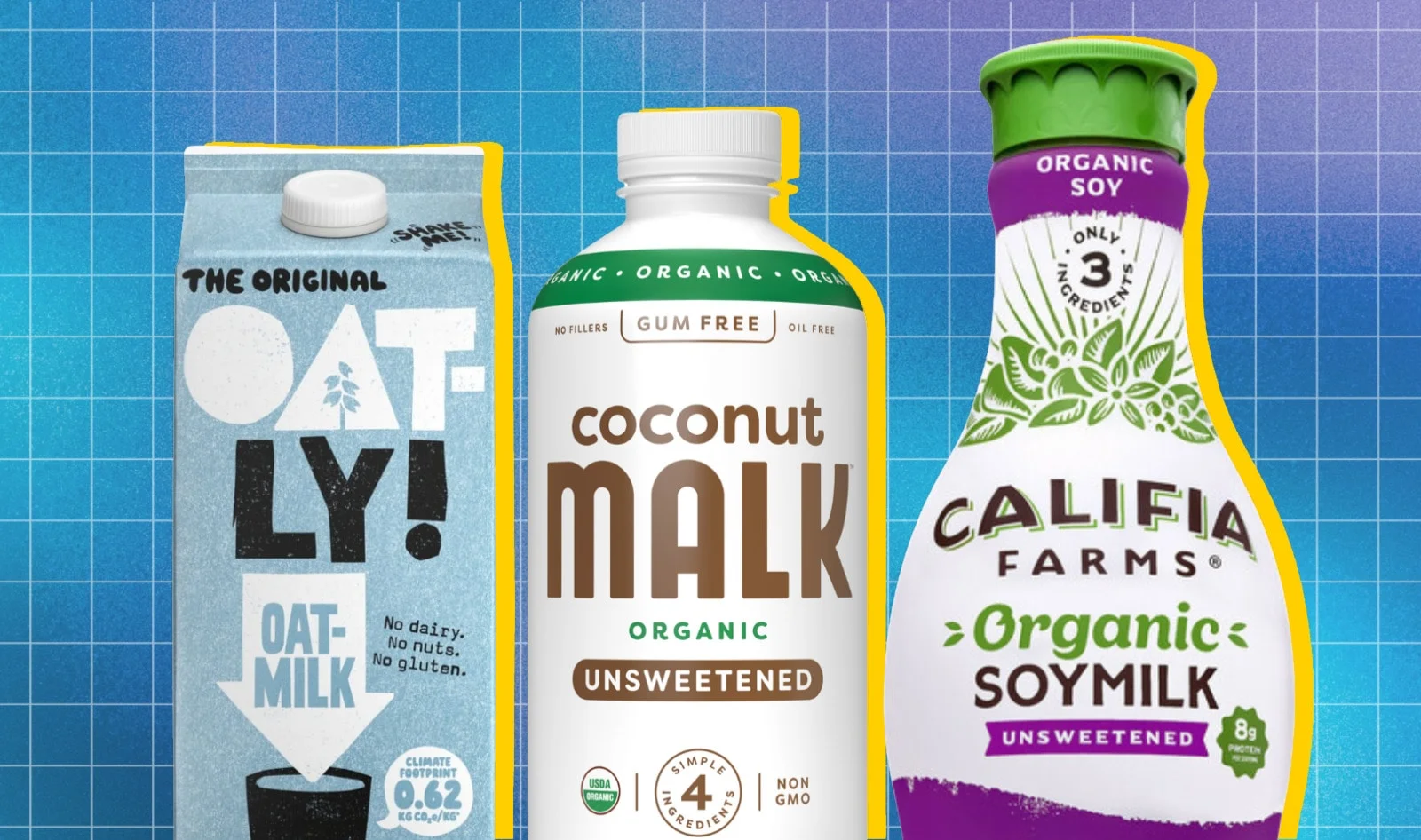
As interest in dairy-free alternatives surges, many Americans are reflecting on their beverage choices—are you an oat milk enthusiast or do you lean towards the creamy allure of coconut milk? According to recent market forecasts, alternatives to dairy are expected to reach a staggering $36.8 billion by 2025, with growth anticipated to double by 2030, indicating that this trend isn’t losing steam anytime soon.
Evaluating Plant-Based Milks Against Dairy
Understanding whether plant-based milks offer more health benefits than traditional dairy isn't simple. However, many nutrition experts suggest that plant milks do present notable advantages. Michael McKinney, a physician and certified nutritionist, emphasizes the lower saturated fat and calorie content in these alternatives, positioning them as heart-friendly options.
“The consumption of plant-based milk has more benefits than that of dairy milk,” McKinney indicates. “They are usually less saturated in fats and calories, implying better heart health.”
Moreover, several brands fortify their plant milks with calcium and vitamin D, enhancing their nutritional profiles, especially for the 30 to 50 million lactose-intolerant Americans who can enjoy these alternatives without digestive discomfort.
McKinney adds that plant milks, free from animal enzymes, align well with the needs of consumers with lactose allergies. These beverages don't contain cholesterol, thus appealing to health-conscious individuals. Plus, their lower environmental impact resonates with eco-aware consumers.
The Appeal of Oat Milk
Oat milk has steadily climbed the popularity ranks due to its deliciously creamy consistency and sweet flavor, making it an excellent choice for coffee and smoothies alike. Its compatibility with a variety of uses sets it apart for many consumers seeking plant-based solutions that mimic the experience of cow's milk.
Despite some skepticism around its components—like rapeseed oil—oat milk is largely regarded as nutritious. George Yang, a Registered Dietitian Nutritionist, clarifies that the fats in oat milk are predominantly unsaturated, allowing for sustained energy levels without causing spikes in blood sugar.
“Oat milk's nutrient-dense profile presents the potential for an outstanding addition to your health-conscious lifestyle,” he asserts.
Additionally, the beta-glucan in oat milk is particularly beneficial for cholesterol management, an important consideration for those prioritizing heart health. Regular consumption might also lead to improvements in inflammation levels, immune health, and gastrointestinal comfort, according to Trista Best, Registered Dietitian.
The Low-Carb Benefits of Coconut Milk
Coconut milk has emerged as a prominent dairy-free alternative, especially in Southeast Asia, and is gaining traction in the U.S. market—a recent report highlights a notable 12.6% increase in coconut milk sales. This trend underscores its rising acceptance as a functional food choice.
Nutritionist Krutika Nanavati champions coconut milk for its essential vitamins, potassium, and potential anti-inflammatory properties. Its unique composition features medium-chain triglycerides (MCTs), a type of saturated fat that many find beneficial.
“MCTs can boost metabolism, provide a quick source of energy, and may offer benefits for weight management,” Nanavati notes.
Furthermore, McKinney points out that the lauroyl content in coconut milk has antimicrobial properties, boosting its attractiveness in both beverages and cooking. Dietitian Amie Alexander emphasizes its suitability for low-carb and ketogenic diets, appealing to those closely watching their dietary intake.
Soy Milk: The Nutritional Powerhouse
Soy milk has a rich history, with roots that trace back centuries in Eastern cultures. It stands out in the dairy-free category due to its high protein content, which matches that of cow's milk. What's more, soy milk includes all nine essential amino acids, categorizing it as a complete protein.
According to Kassidy Johnson, a registered dietitian and elite athlete, fortified soy milk closely mirrors the nutritional profile of cow's milk, meeting dietary guidelines for many. Simply put, 8 ounces of unsweetened fortified soy milk offers roughly 90 calories and contains vital nutrients including calcium and vitamin D.
“Fortification of plant milks is not unusual and is an effective way to support nutrient needs,” she states.
Additionally, soy milk's isoflavone content has been correlated with heart health benefits, further establishing its role in diverse dietary plans aimed at promoting physical well-being.
Expanding the Dairy-Free Milk Horizon
While oat, coconut, and soy milk are prevalent, the plant milk market continues to diversify. Options like almond, rice, and pea milk offer various health benefits and alternatives tailored to specific dietary needs. Almond milk, for instance, is noted for its high vitamin E concentration, while rice milk serves as a hypoallergenic choice for those with food sensitivities.
Emerging varieties, including macadamia and potato milk, broaden the possibilities for consumers seeking unique flavors and nutritional profiles. In addition, pea milk excels in protein content while being suitable for those avoiding nuts, soy, or gluten.
Every one of these plant-based alternatives enables consumers to enjoy classic pairings like cereal or coffee with less strain on their health. As Best points out, dairy's inflammatory properties can lead to negative health implications, making these alternatives not just enjoyable, but a proactive choice for better health.
“Dairy is a highly inflammatory and mucus-producing product,” she asserts, highlighting the potential for reduced respiratory issues and chronic inflammation through careful dietary choices.
This transition toward plant-based milks reflects a wider shift in consumer preferences, where health and nutrition take precedence without sacrificing enjoyment and taste.



Discussion
Sign in to join the discussion.