Justin Bolois shares insights on his dual career with 'Hot Ones' and his passion for collecting vintage restaurant memorabilia.
The Significance of Food Media
Food media has undergone a transformation over the past decade, shifting from simple recipe sharing to a complex interplay of storytelling and cultural commentary. At the forefront of this change has been digital platforms that offer a fresh take on traditional culinary shows. First We Feast, under Bolois's guidance, expertly caters to this demand through content that's not just about food but the people, places, and communities behind it. Shows like
Hot Ones have turned into cultural phenomena, showcasing interviews with celebrities while challenging them with increasingly spicy wings. This blend of entertainment and culinary exploration invites viewers into a deeper relationship with food, making it not merely a necessity but a catalyst for conversation and connection.
Justin Bolois’s Journey and Impact
Bolois's ascent within First We Feast illustrates the career trajectory of someone who embodies the spirit of modern food journalism. Working his way up from features editor, he’s not just responsible for high-profile shows; his fingerprints are all over the strategic direction the brand has taken. This trajectory is notable in an industry where many struggle to find their footing. Under his leadership, First We Feast has pioneered a niche that combines food and fandom, appealing to both casual viewers and culinary enthusiasts alike.
His work on
Hot Ones in particular has broadened the show's appeal. The series has attracted a diverse lineup of guests, from actors to chefs to athletes, each bringing their flavor to the table—literally and figuratively. The show's format, which challenges guests to tackle hot wings while answering questions, goes beyond entertainment. It’s a platform for unfiltered dialogue. The spicy challenge acts as an icebreaker, which often leads to revealing discussions that resonate with audiences on multiple levels.
Nostalgia and Culinary Heritage
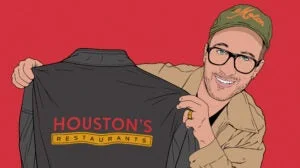
Beyond his professional achievements, Bolois has a personal venture that captures nostalgia: his collection of vintage restaurant employee shirts and artifacts from long-gone diners. This passion project, aptly named
Restaurant Relics, serves as both a shop and a tribute to culinary history. In a world dominated by culinary trends that often feel fleeting, Bolois’s endeavor underscores the importance of preserving culinary memory.
There's something inherently appealing about the artifacts that tell stories of the past. From a well-worn JG Melon t-shirt to a menu from a now-closed diner, these items reveal how food constructs our shared experiences. If you're working in this space, you'll appreciate the way Bolois's collection connects the emotional weight of memory with the casual, everyday experience of dining. It serves as a bridge between nostalgia and contemporary culinary trends.
The Stories Behind the Garments
Bolois joins host Matt Rodbard to discuss not only his work on
Hot Ones but also the thrill of unearthing unique pieces like those vintage shirts. His enthusiasm for the past and its culinary echoes enriches his career. These stories bring depth and context to the items he collects, making them more than just fabric or memorabilia. They’re embodiments of history, possessing their narratives, from the diners they adorned to the memories they evoke in diners and employees alike.
And this is the part most people overlook: the way such artifacts can forge a connection that transcends generations. Collecting is about preserving a narrative, a direct line to the human experience through food. It leads us to ask how our eating habits today reflect those of the past and how they will influence future culinary cultures.
Implications for Future Culinary Storytelling
The future of food media seems to hinge on personal connection and storytelling. As audiences seek authentic, relatable content, Bolois's projects indicate a shift toward more personal culinary narratives that celebrate history, culture, and community. Media that once focused solely on the “how-to” aspect of cooking is now blending with a stronger emphasis on “why,” creating a multi-dimensional view of food culture.
This trend is significant, as it reflects a growing appetite for transparency and connection in media. As consumers of culinary content increasingly crave depth, platforms will have to adapt. This is more significant than it looks; it indicates an evolving relationship between media and audience. The lines are blurring between consumer and creator, encouraging individuals to share their stories alongside brands.
Bolois’s dual roles as a content creator and a collector exemplify how culinary memories can shape narratives. It raises intriguing questions about the future of food entertainment — how will sentimentalism influence what we choose to put on our screens? The answers to these questions might just inform the next generation of culinary storytelling, ensuring it's rich, nuanced, and deeply connected to our shared history.
For more of Justin's adventures, check out
Hot Ones Game Night.
Discussion
Sign in to join the discussion.