Explore the cultural significance and elegance of Jian Zhan teacups, revered for their beauty, functionality, and historical roots in tea appreciation.
The Craft of Black Porcelain
Produced primarily during the Song dynasty (960-1279), Jian Zhan cups represent a pinnacle in the craftsmanship of black porcelain. The techniques for creating these exquisite pottery pieces were first unveiled in the Later Tang dynasty (923-936), but it was during the Song era that they truly flourished. Black porcelain's appeal stems from its aesthetic beauty, which complemented the cultural milieu of its time, where simplicity, connection to nature, and harmony were celebrated. Notably, the construction of the dragon kilns, where these cups were created, is a marvel of ancient engineering. These long, narrow structures enabled potters to fire thousands of cups simultaneously, with archaeological sites revealing the remnants of many such kilns spread across Fujian province.
The Aesthetic and Functional Appeal
The understated elegance of Jian Zhan teacups can't be separated from the socio-cultural currents of the Song dynasty. While they might not boast the ornate beauty of other contemporaneous teaware, their design aligns with the era's aesthetics influenced by Neo-Confucianism and Zen principles. Features like a simple form and muted glaze colors resonate with the ideals cherished by society—an affinity for natural beauty and subtlety.
Further adding to their significance, these cups were highly functional for the methods of tea preparation popular in their time. The tea during the Song dynasty was more akin to modern matcha, with a preparation process that transformed finely ground tea into a frothy beverage. Jian Zhan cups were ideal for showcasing the froth's visual qualities against their dark glaze, becoming the go-to choice for tea connoisseurs who participated in tea-tasting competitions. The cups offered both an aesthetic and functional proficiency that few pieces could match.
Cross-Cultural Influences: The Journey to Japan
The narrative of Jian Zhan teacups extends beyond China, particularly into Japan, where their influence is profoundly felt. Japanese Buddhist monks, who often journeyed to China for spiritual study during the Song dynasty, brought back these teacups—bestowing them the name Tenmoku. This term, derived from the Chinese Tian Mu, highlights the cups' cultural transition and adaptation. Over time, "Tenmoku" came to denote a broader category of ceramics exported from China to Japan, solidifying their status in both countries.
When auctioned, rare examples of these cups fetch staggering prices, capturing the fascination that spans centuries. A notable auction of a rare Yuteki Tenmoku cup in 2017 went for $250,000, reflecting not just its historical significance but also the ongoing love for Jian Zhan teaware in the contemporary art market.
The Complexity of Glazes
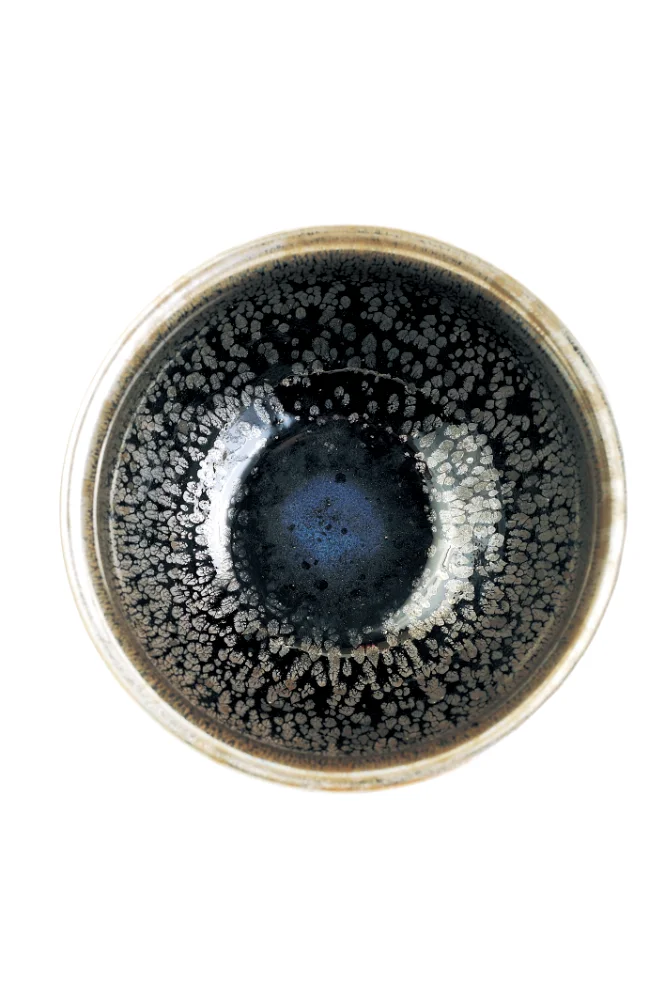
An essential characteristic of Jian Zhan teacups stems from the various glazes employed by potters, resulting in intricate visual patterns. The rarest varieties, such as rabbit fur, speckled partridge feather, and oil spot, rank among the most sought after, while simpler designs featuring less contrasting visuals were easier and less valued. These complexities not only satisfy artistic palates but also highlight the craftsmanship that makes Jian Zhan tea bowls so uniquely appealing.
For anyone immersed in the tea world or looking to understand the intersections of art and culture, Jian Zhan teaware remains a captivating topic—one that encapsulates a rich heritage interwoven with art, practice, and enduring appreciation.
The Enigma of Yao Bian Cups
Yao Bian cups are not just artifacts; they represent the pinnacle of Jian Zhan pottery from the Song dynasty and its mystique is undeniable. With only four cups believed to exist today, their value transcends mere monetary worth—these pieces are cultural treasures. Three of these coveted cups are housed in Japanese museums, classified as national treasures, thus remaining out of reach for photography and documentation, reinforcing their elusiveness.
In 2009, archaeological activities in Hangzhou led to the discovery of fragmented remnants of a fourth Yao Bian cup. The enigma surrounding their creation is as captivating as the cups themselves, featuring mesmerizing pools of color and iridescence that evoke the feeling of a lunar eclipse. Such artistic complexity has inspired potters across Asia to replicate these cups, yet successfully doing so remains elusive, despite numerous attempts from both Chinese and Japanese artisans. Interestingly, replicas are available, but the asking price for authentic Yao Bian cups usually starts at around $13,000.
See: A Rendezvous with Chance
Craftsmanship and Material Origins
The Jian area in Fujian is a geographical gift for potters, presenting a trove of unique materials that have fueled the legacy of Jian Zhan wares. The region's clay deposits allow potters to achieve the high firing temperatures necessary for crafting these cups. Noteworthy materials include Shui Ji Southern Mountain Yellow Soil, which is rich in iron oxide, Hou Ji Village Red Soil, known for its lateritic characteristics, and Da Li Village High-Temperature Soil, a prized kaolin clay. Adding to this mix is Jian Yang Southern Forest Glaze Mineral, which also contains iron oxide and contributes to the exquisite glazes that define these wares.
Moreover, the glaze itself is a composition of quartz and feldspar, delivering a glass-like finish while iron oxide adds intricate patterns and a spectrum of colors. The addition of plant ash, rich in calcium and magnesium, acts as a flux during the glazing process, facilitating melting to achieve the desired fusion. This careful selection and treatment of materials underscore the depth of knowledge and expertise entrenched in the tradition of Jian Zhan pottery.
The Resurgence of Jian Zhan: A Future to Watch
What’s unfolding in the world of Jian Zhan teacups is significant; it’s a blend of tradition, art, and the modern market that’s worth paying attention to. After facing extinction post-Song Dynasty, this ancient craft is making a comeback, but not without complexities. The revival of this art form presents an intriguing case study for artisans and collectors alike. If you're invested in this space—whether as a buyer or maker—understanding its past can inform your appreciation of its future.
The painstaking process of creating Jian Zhan wares includes a delicate balance of artistry and scientific rigor. Using various kilns—wood, electric, or gas—makes this an intricate endeavor. Wood-fired kilns are often the choice of purists, as they imbue the cups with an authenticity that electric kilns struggle to replicate, despite their precision. It's a sobering realization to witness artisans destroy imperfect wares, a practice aimed at preserving the craft’s integrity. Each cup tells a story, one that begins with careful crafting and ends with an arduous firing process, achieving temperatures up to 1330 degrees Celsius to develop unique patterns.
Yet, many hurdles exist. From skin-thin walls that risk distortion to glaze misapplications that can obliterate the very essence of what makes these cups sought after—the number of pitfalls reveals just how high the stakes are. Each cup is not merely a vessel; it’s a culmination of expertise, passion, and sometimes, heartbreak.
The Value Equation: Rarity and New Trends
As demand for modern Jian Zhan cups flourishes, the question of value becomes paramount. Prices range widely from a few dollars to several hundreds, hinging on glaze patterns, craftsmanship, and provenance. Recent auction results underscore this; a Song Dynasty Jian Zhan cup sold for an astounding $11.7 million at Christie’s—a reflection not just of rarity, but also of a revived interest in the historical significance of these artifacts.
Yet, the emergence of new designs—like cherry blossom and fire phoenix motifs—creates tension within the community. Purists may dismiss these innovative takes as inauthentic, yet their appeal in the marketplace is undeniable. This tension is further amplified by platforms like TikTok and Tao Bao, which open up Jian Zhan wares to wider audiences but may dilute their traditional essence.
Looking Ahead: Authenticity vs. Popularity
The craft's path forward raises pressing questions: What defines authenticity in the age of e-commerce? Is the Japanese notion of "wabi-sabi," which celebrates imperfection, applicable here? The conversation around Jian Zhan cups reflects broader trends in art and craftsmanship, where modernity meets tradition.
Overall, the landscape is evolving, and while new colors and patterns may attract new buyers, they also spark rigorous debate on authenticity. The journey of Jian Zhan wares from historical artifact to a contemporary collectibles market is one to follow, as it may serve as a model for other traditional crafts facing similar existential questions.
For those enamored with Jian Zhan cups, now is a pivotal time to engage. The craft’s revival isn’t just a nostalgic nod to the past; it’s a lively discussion about artistry, market dynamics, and identity that’s just starting to unfold.



Discussion
Sign in to join the discussion.