The spa industry is evolving as it merges wellness with clinical practices, fueled by consumer demand for personalized and results-driven experiences.
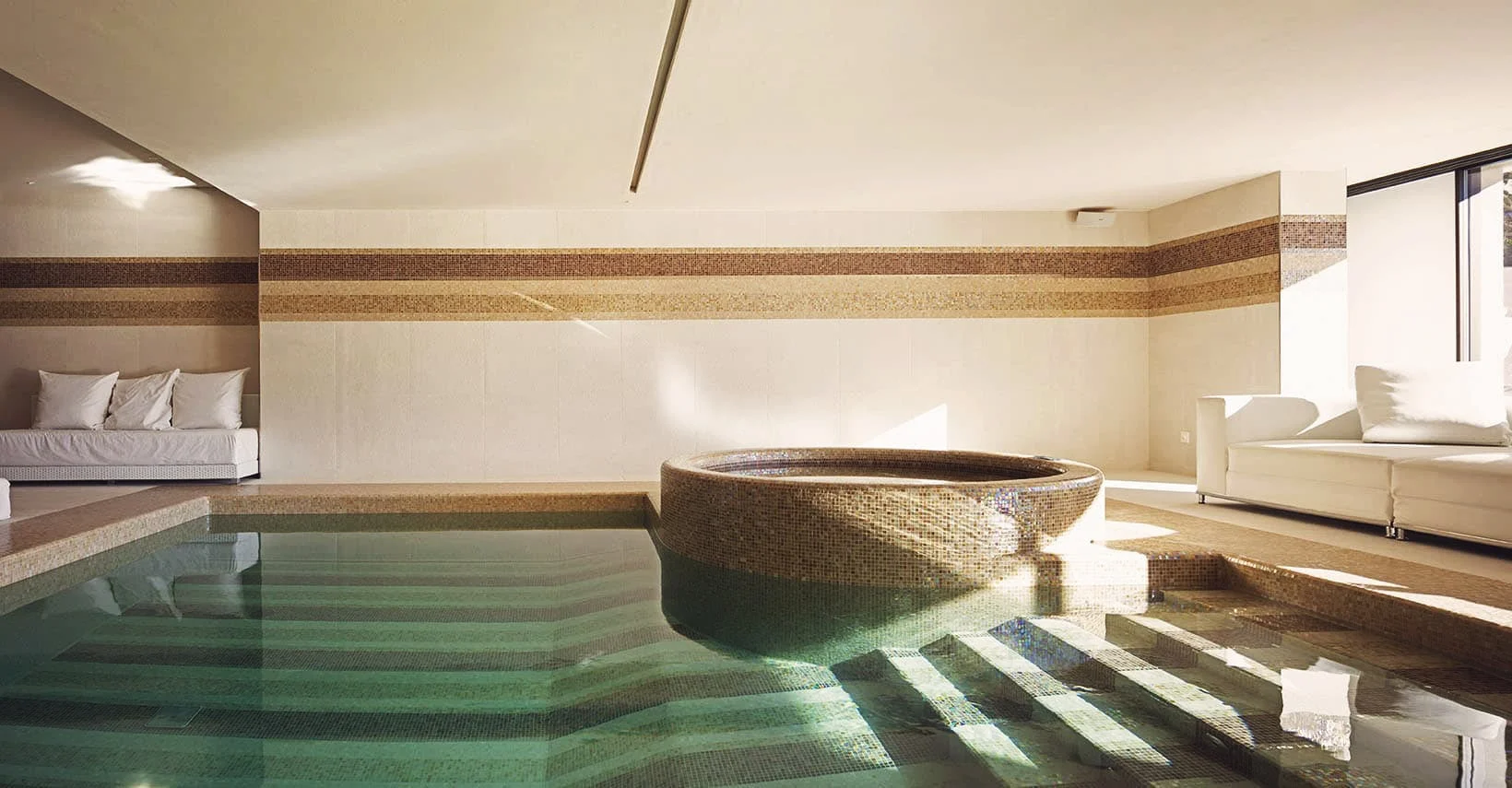
The spa industry is experiencing a notable transformation, bridging its historical roots in medical treatments with contemporary wellness practices. Once primarily therapeutic centers, spas are moving towards a model that marries relaxation with health optimization, reflecting modern consumer demands for holistic wellness experiences.
Understanding the Spa's Historical Significance
To grasp the current dynamics of the spa sector, it’s essential to reflect on its origins. Historical accounts indicate that thermal water therapy, known as balneotherapy, has been utilized for over four millennia. Different cultures, from the Roman baths to Japanese onsen, have integrated water-based healing into their wellness traditions. The term 'spa' likely derives from the Belgian town famous for its mineral springs or could be an acronym for the Latin phrase salus per aquam, meaning 'health through water.'
The architectural form of spas we recognize today began emerging in the 1700s as European towns developed around mineral springs, nurturing elaborate structures that functioned not only as healing retreats but also as social hubs. Although pharmaceutical advancements in the 20th century led to a decline in clinical spa usage, the last few decades have seen a revival of the spa's wellness focus, blending leisure with therapeutic intentions.
Current Market Trends and Numbers
According to data from the Global Wellness Institute, the spa sector has steadily expanded since it was first measured in 2008. Recent forecasts project that by 2024, the number of spas worldwide will exceed 201,861, with revenues soaring to approximately $157 billion—evidence of a robust annual growth rate of 7.4% since 2007.
Despite spas being a relatively small segment within the overall wellness economy, valued at $6.8 trillion and increasing, they significantly contribute to mainstream wellness conversations. Interestingly, in the U.S. market, revenue growth has been outpacing visitor increases, highlighting a trend where spas are monetizing existing clientele more effectively rather than just focusing on attracting new customers.
Drivers of Growth in the Spa Sector
Several factors are underpinning the spa industry's growth trajectory. Rising disposable incomes and an expanding global middle class are driving increased spending on health and wellness services. However, wellness tourism stands out as a primary catalyst, with spa experiences often being central to these travel itineraries.
Moreover, there's a shift in consumer attitudes towards preventative health, with wellness-related expenditures now accounting for 60% of the global health expenditure. This broadening perspective places spas at the forefront of health consciousness, making them essential players in personal wellness journeys.
Defining Trends Shaping the Future of Spas
The transformation of the spa industry is being driven by several key trends that are reshaping operations and customer expectations.
Rise of Medical Spas
Medical spas are gaining significant traction, and they represent one of the sector's fastest-growing segments. Combining traditional spa services with medical treatments like IV therapy, laser procedures, and weight loss programs, these establishments cater to clientele seeking both beauty and wellness. With projections indicating that the medical spa sector could reach $78.2 billion by 2033, this growth aligns with increasing consumer interest in procedures that promise tangible outcomes.
Emphasis on Longevity and Measurable Results
Today's spa patrons are gravitating towards treatments that deliver quantifiable results. This trend has propelled medical spas to incorporate biohacking strategies and diagnostic testing into their service offerings, allowing for more personalized care. With the personalized medicine market expected to grow, the demand for individualized spa experiences is set to intensify.
Adoption of Technology for Personalization
Integrating technology into spa treatments is becoming increasingly common. Tools like AI skin analyses and wearables enable spa operators to tailor experiences based on individual health metrics. While human interaction remains vital for the holistic nature of spa treatments, technology facilitates operational efficiencies, from scheduling to customer communication, enhancing the overall user experience.
Focus on Psychological Wellbeing
The increasing emphasis on psychological health within the wellness sphere has generated programs that promote mindfulness and stress management at spas. Consumers are actively seeking environments that support mental as well as physical wellbeing, prompting spa operators to focus on holistic approaches that address these needs.
Revival of Spa Tourism and Social Bathing
Simultaneously, spa tourism is witnessing a renaissance, particularly within the thermal and mineral springs industry. The Global Wellness Institute notes a substantial increase in thermal resort developments, demonstrating significant growth potential in this market. These modern facilities not only cater to traditional spa goers but also capitalize on the benefits of community and social interaction, addressing contemporary social needs.
With the rise of aesthetically designed sauna experiences and community-oriented bathhouses, the demographic of spa attendees is expanding. Establishments like Remedy Place exemplify this shift, positioning themselves not only as wellness venues but also as social clubs that redefine what it means to engage with personal health.
Looking Ahead: The Future of the Spa Industry
As we look into the future, it's clear that the spa industry will continue to evolve significantly. Three major trends are poised to shape the next decade.
First, the blending of medical practices with traditional spa services will deepen, with consumers seeking credentials alongside comfort. This shift towards clinical credibility will elevate expectations for the quality of care provided by spas.
Second, advancements in data tracking will lead to a more profound personalization of treatments, transforming generic offerings into bespoke experiences that yield measurable health benefits.
Finally, as aesthetics and social bathing attract diverse audiences, the demographic reach of spas will expand, paving the way for broader acceptance of wellness practices across various consumer segments.
The journey of the spa industry reflects changing needs and desires, blending therapeutic efficacy with serene environments. By continuing to adapt and respond to these evolving expectations, spas can thrive in this dynamic market and remain relevant to wellness travelers seeking both luxury and results.


Discussion
Sign in to join the discussion.