Luxury spending held near €1.44 trillion in 2025, but a smaller customer base and weaker margins point to limits in price-led growth.
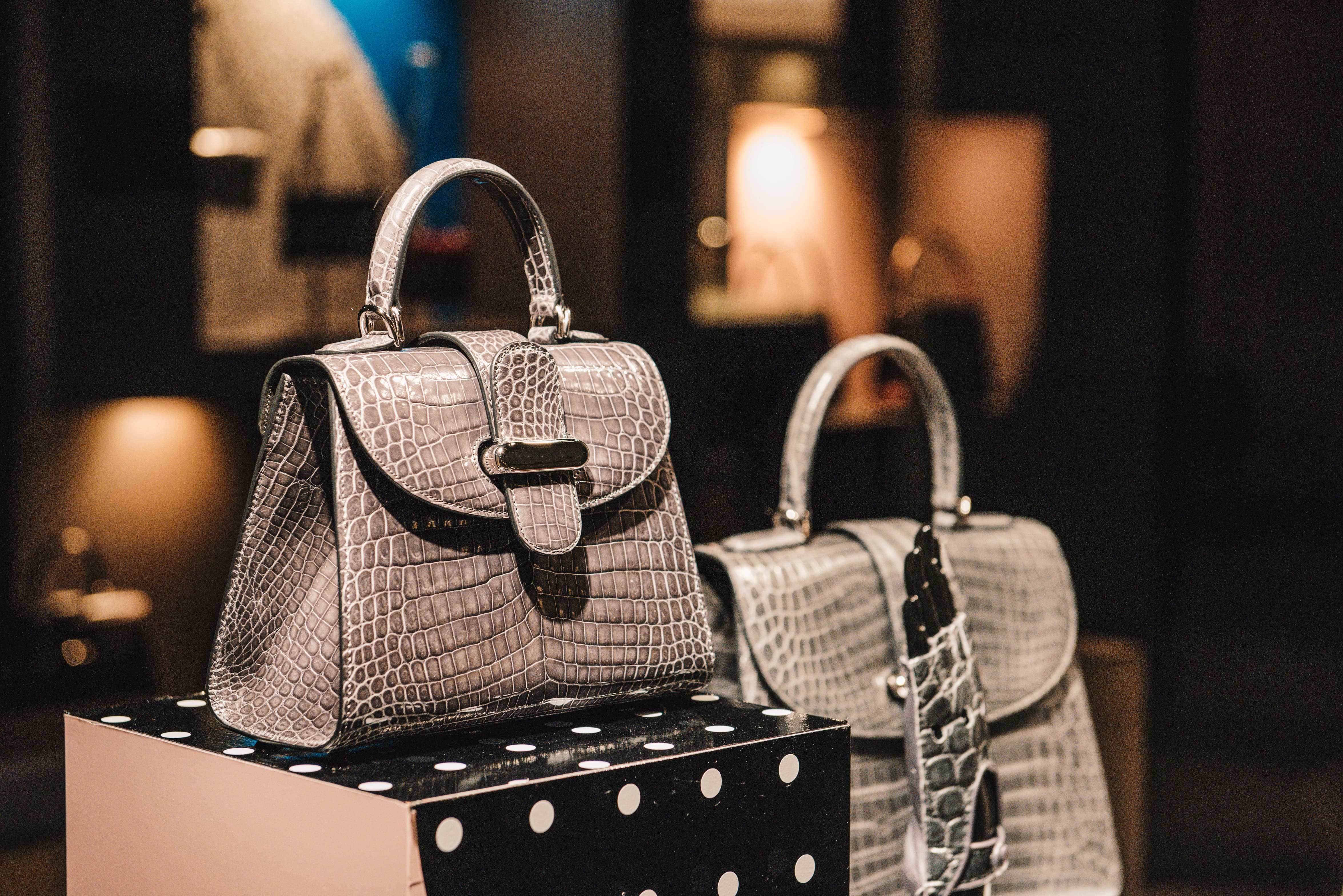
Luxury’s pricing model is under strain. Global spending remains immense, but brands are serving fewer customers, earning lower margins and facing a shift in what affluent buyers consider worth paying for. My read is that the industry’s next phase will depend less on raising prices and more on proving value through quality, experiences and deeper customer relationships.
That pressure is visible in the figures. Global luxury spending reached an estimated €1.44 trillion in 2025, down 1–3% from 2024 at current exchange rates, according to the Bain-Altagamma Luxury Goods Worldwide Market Study. Personal luxury goods—including handbags, apparel, jewelry, watches and beauty—accounted for €358 billion. Yet the consumer base contracted from 400 million people in 2022 to about 340 million in 2025, while revenue stayed broadly level. Spending is concentrating among fewer buyers.
The economics behind luxury pricing
In economic terms, luxury goods are defined by their response to income: demand tends to rise faster than income does, and to fall faster when income declines. That makes luxury cyclical. The wealthiest clients may keep spending through a downturn, but aspirational customers often retreat first.
Some luxury products also behave like Veblen goods. Named for economist Thorstein Veblen, whose 1899 book The Theory of the Leisure Class described conspicuous consumption, the concept captures how a high price can itself signal exclusivity and increase a product’s appeal. In that part of the market, price is not just a cost. It helps create the status the buyer is seeking.
Luxury objects therefore carry two kinds of value. A watch tells time; a bag holds belongings. Those are functional benefits. Their positional value comes from what ownership signals about the buyer in relation to others—and depends on what the market currently regards as desirable.
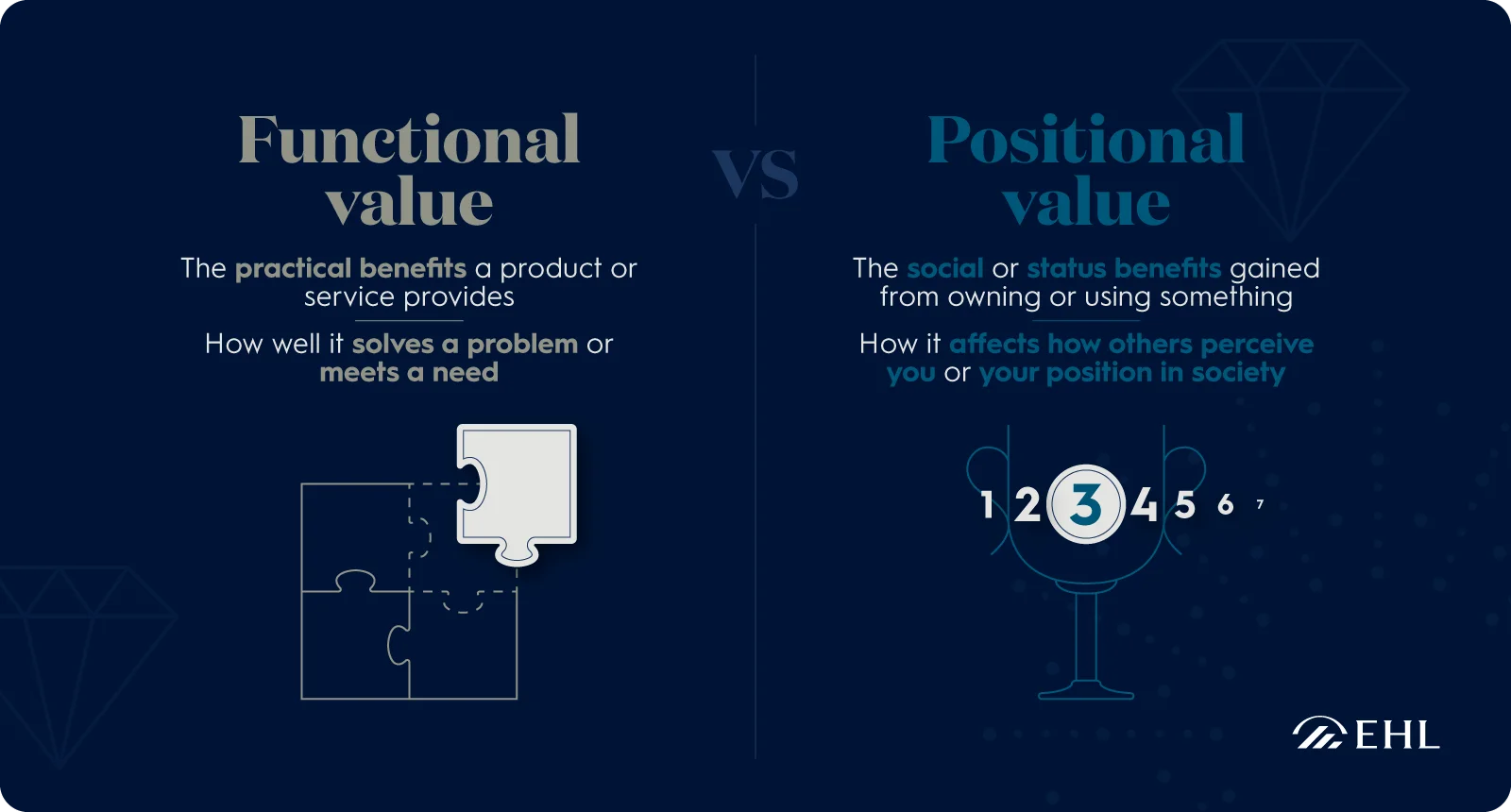
According to Bain and Company, consumers increasingly connect luxury with self-actualization rather than social validation. If that shift continues, brands will have less room to rely on a product’s status signal alone to support its price.
Growth is holding, but the customer base is narrowing
The market’s headline size can obscure a change in its foundations. Bain forecasts that personal luxury goods spending could reach €525 billion to €625 billion by 2035, with total luxury spending reaching €2.2 trillion to €2.7 trillion. Those projections point to further growth, but the decline in the number of customers shows that recent revenue stability has not come from a widening audience.
Profitability is also weaker than it was at the category’s peak. EBIT margins for personal luxury goods brands reached 23% in 2012, then fell to about 15% in 2025—a level last seen in 2009. The source estimates that the decline cost the industry €100 billion in enterprise value over the past twelve months alone. The combination of a smaller customer pool and lower margins suggests that growth is becoming harder to secure through the existing playbook.
Price increases have tested consumers’ sense of value
Luxury pricing has traditionally reinforced itself: a higher price can suggest greater exclusivity, exclusivity can increase desirability, and that desirability can help support the price. From 2019 to 2024, the average price of personal luxury goods in Europe rose 52%, according to figures attributed to HSBC. Some brands also raised prices on signature products, or “hero” items, which serve as an entry point to a wider range.
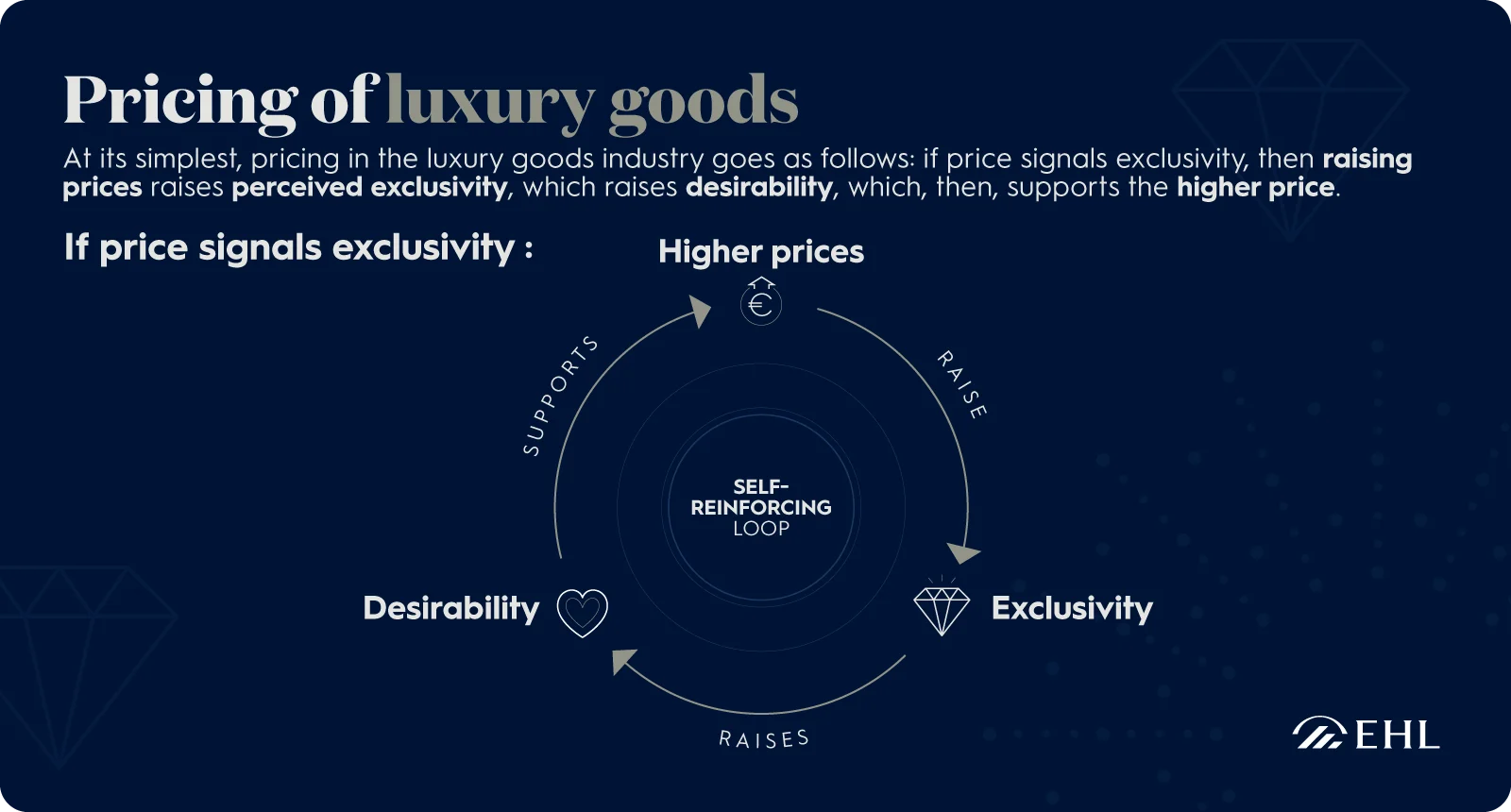
Here’s the thing: price can support a status signal only while customers accept the value behind it. The source argues that increases have outpaced perceived value, weakening the price-value equation. Without a corresponding rise in quality, craftsmanship or meaning, a higher tag risks feeling like a demand on the customer’s trust rather than proof of greater worth.
Experiences are becoming a status marker
Consumers are shifting spending from personal luxury goods toward lifestyle and experiences, according to BCG data. Wellness and longevity have gained momentum, and the change appears across the consumer pyramid, not only among the affluent. This fits the broader experience economy, where buyers value what they do and remember as well as what they own.
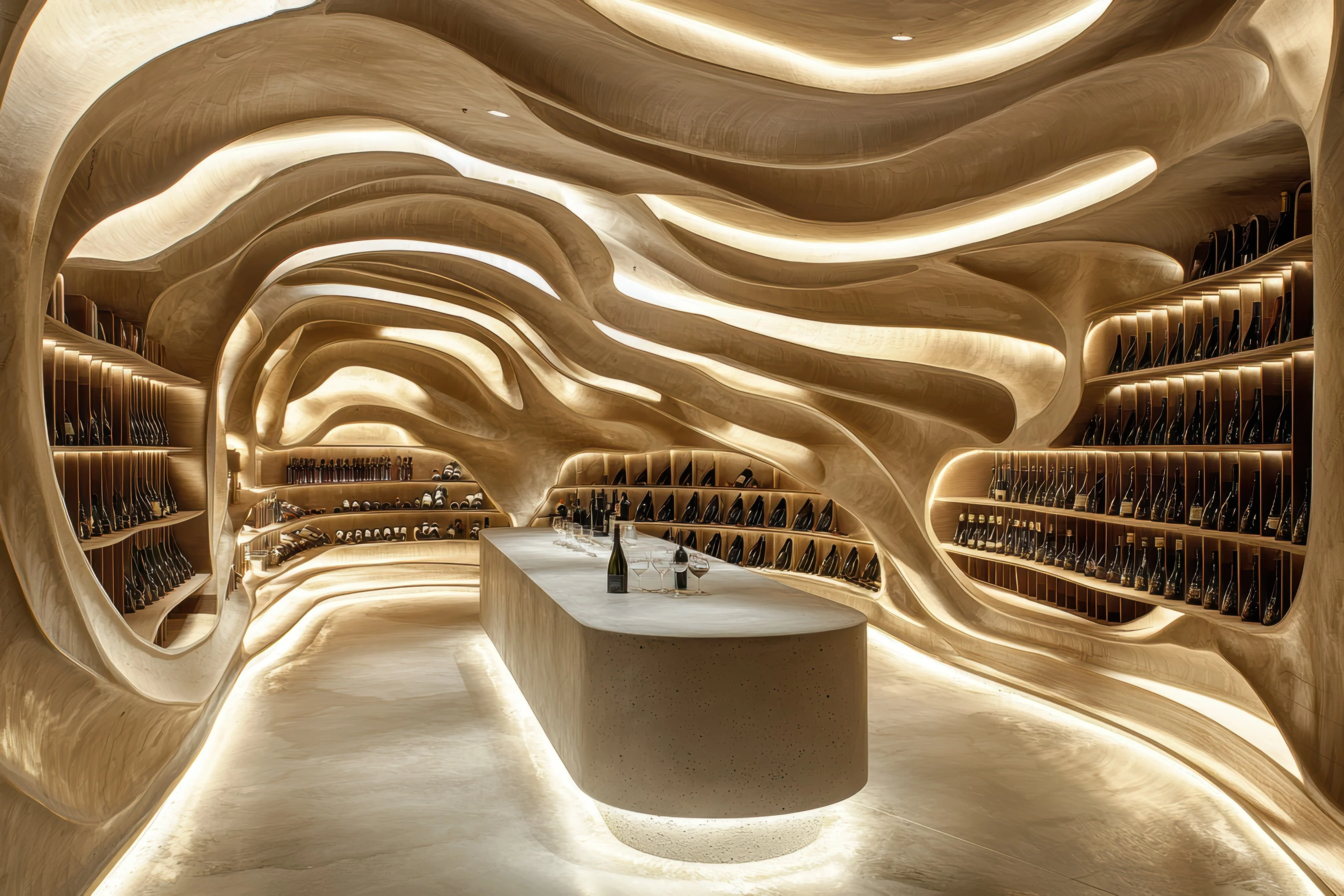
Experiences also work differently from physical goods: they cannot be counterfeited or resold. For consumers, a trip or a wellness retreat may carry more personal meaning than another visible object. For brands, that shift redirects status toward where someone has been and what they know, rather than what they can display.
The wellness and longevity categories are part of that change. Time, health and longevity are gaining ground as definitions of luxury, while logo visibility has become a weaker reason to buy, according to BCG and Altagamma’s True-Luxury Global Consumer Insights 2026. Quality, by contrast, remains a stable measure.
Status now depends on taste as well as ownership
Positional value hasn’t disappeared. It has spread beyond luxury goods. A well-traveled suitcase covered in stickers or a table at a restaurant with hard-to-get reservations can signal status, as Highsnobiety describes in its account of a “status economy.” A decade ago, a recognizable designer item might have carried more of that weight.
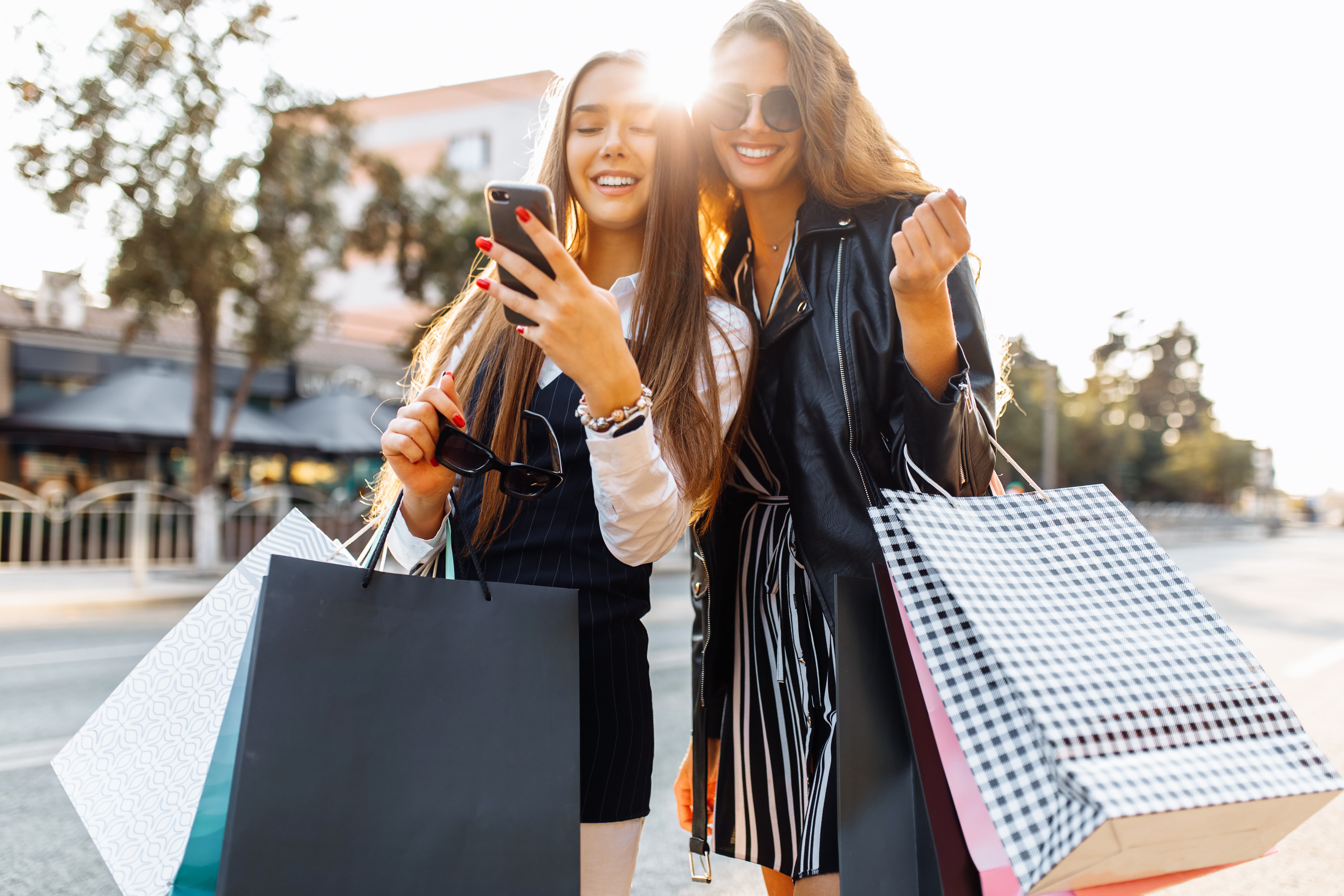
The change matters especially for Gen Z consumers, for whom status can come from knowing what is en vogue as much as from owning an expensive, scarce and visibly branded object. Luxury houses once had a strong hold on the materials of status: recognizable products, limited supply and high prices. Those signals now compete with cultural knowledge and access to experiences.
Brands are building places customers can enter
Luxury houses are responding with storytelling and immersive environments, often described as world building. Business of Fashion defines the approach as creating “immersive universes that consumers can participate in, develop emotional attachments to and buy their own piece of when they make a purchase”. The strategy gives a brand more ways to earn attention than a product and its price alone.
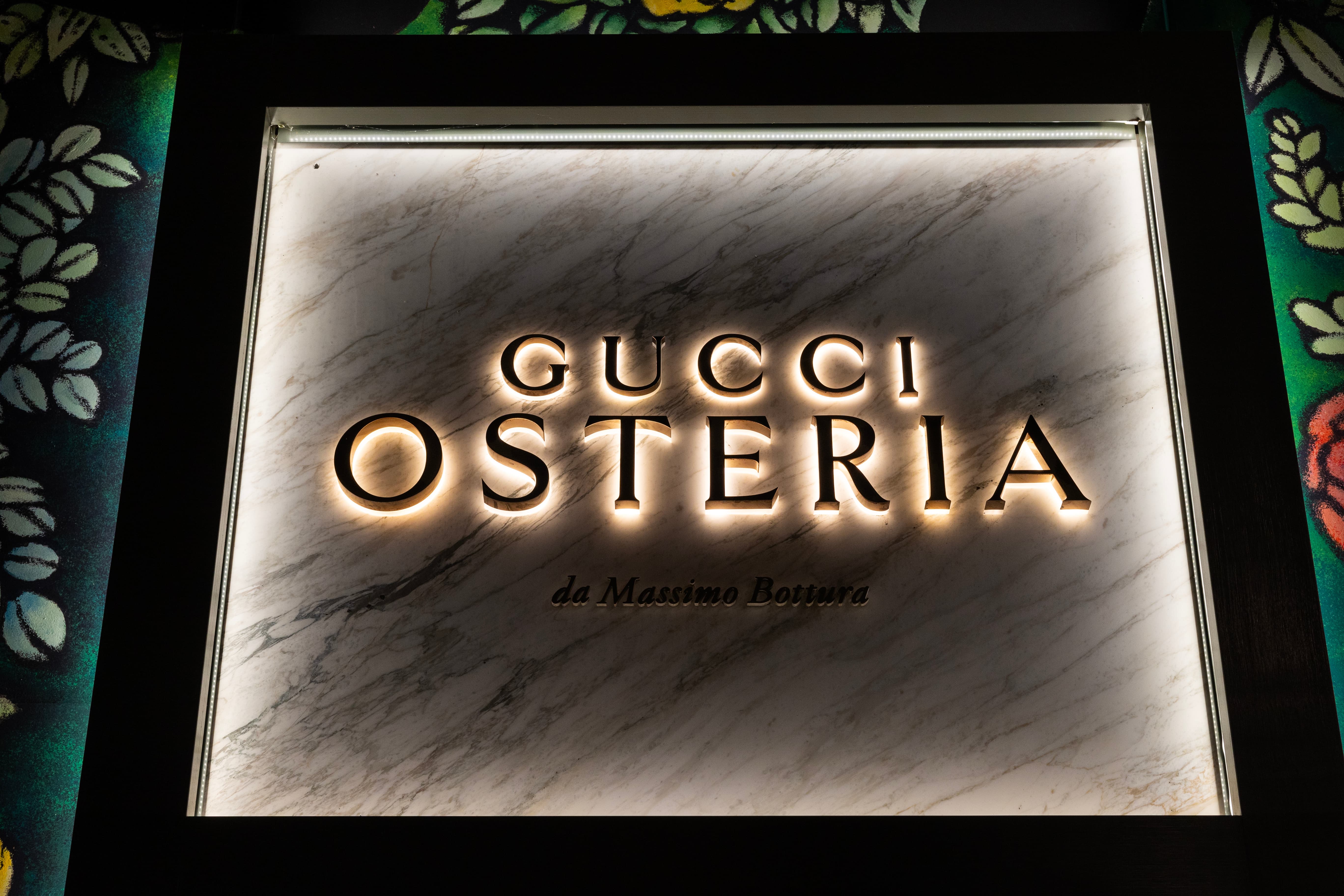
Hospitality offers a direct way to make those brand worlds tangible. LVMH operates Cheval Blanc and Bulgari Hotels, and has partnered with Accor to revive Orient Express by rail and sea. Prada operates the Torre restaurant in Milan; Gucci has Gucci Osteria, a Michelin-starred restaurant with chef Massimo Bottura.

“A brand extension brings effort and learning to the luxury brand. It provides ultra-personalization in a sink or swim market. The brand extension, through immersive brand activations brings innovation to the future of luxury.”
A hotel or restaurant extends a relationship beyond the moment of purchase. It gives clients more chances to encounter the brand and can build familiarity over time. But these projects are expensive, slow to produce returns and difficult to connect to quarterly results. Their appeal is that they can create meaning and differentiation where another price increase may no longer persuade.
What luxury brands need to earn next
Luxury demand remains sensitive to income, so the category is not recession-proof. Premium brands typically charge more for attributes such as design or quality, while luxury pricing also depends heavily on exclusivity and what a product says about its owner. That distinction makes perceived value especially important when buyers are becoming more selective.
The category’s core economics still function, but the old route to growth—using price to amplify positional value—looks less reliable. Brands will need to show customers why a product deserves its price through craftsmanship and quality, then give them a compelling reason to stay connected through experiences and storytelling.
Those investments take time, and world building cannot guarantee a quick financial return. Still, luxury’s future pricing power will likely depend on whether brands can make their value legible in more ways than a logo or a higher price. The next advantage may belong to houses that give customers something they can experience, learn about and trust.
Discussion
Sign in to join the discussion.