Aquafaba and egg replacers make vegan meringue possible, from pavlova and lemon tarts to toasted cheesecake and s’mores bars.
Aquafaba gives vegan bakers a practical route to meringue’s crisp shell and airy center, opening up desserts that traditionally rely on egg whites. The liquid from chickpeas can be whipped into a foam sturdy enough to shape into pavlova or spread over a pie. Egg replacers and ready-made mixes offer other routes, though each asks for a different level of preparation and control. The result is a useful set of options for bakers who want the familiar contrast of crisp exterior and soft interior without eggs.
Three ways to make vegan meringue
Aquafaba is the liquid left in a can of legumes, often chickpeas. Its starches help it whip into a foam much like egg whites, making it useful in meringues as well as macarons and mousses. The name combines the Latin words for water, “aqua,” and bean, “faba.” That simple ingredient has made it possible to adapt familiar techniques around a pantry staple, although the final texture still depends on careful whipping and baking. For anyone used to egg whites, aquafaba offers a similar role in a recipe, but it isn't a one-for-one guarantee of identical behavior.
 Loving It Vegan
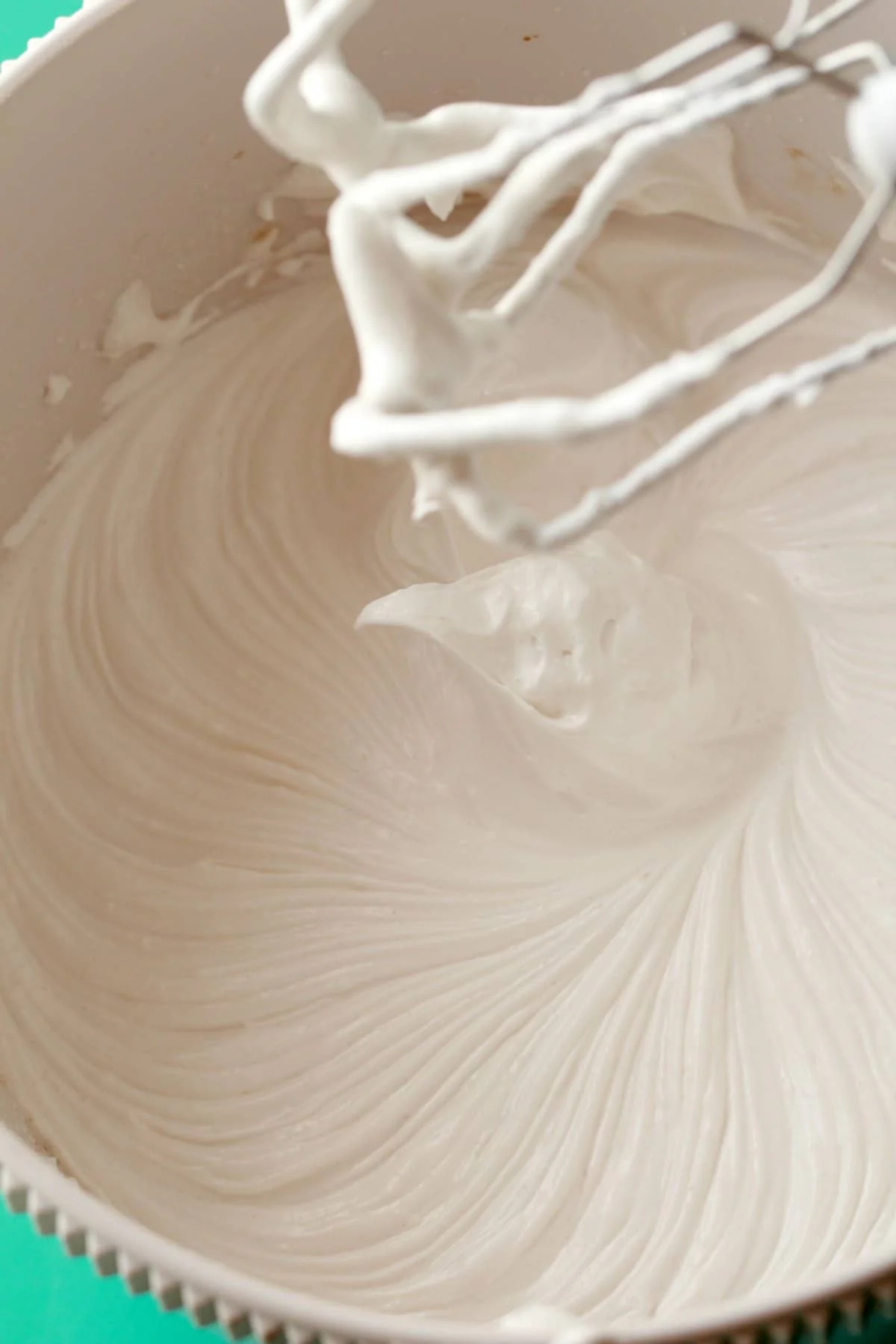
In Loving It Vegan’s recipe, founder Alison Andrews starts chickpea liquid and cream of tartar in an electric mixer, first at low speed and then faster as the mixture turns creamy and glossy. Sugar and vanilla go in next; the meringue is piped onto a lined tray and baked. The sequence matters: whipping builds the foam, while the sugar adds sweetness and helps give the mixture its finished structure. This is the most hands-on of the three methods described here, and it gives the baker a chance to judge the mixture as it changes.
Another approach comes from Glow Steady. Its recipe combines Free and Easy Egg Replacer with water, icing sugar and caster sugar. Using a prepared replacer shifts the starting point: instead of relying on chickpea liquid, the recipe builds its mixture from a product designed to stand in for eggs. For bakers who want to skip mixing altogether, Judee’s sells a ready-made vegan meringue mix. That convenience comes with less control over the formula, but it may make the format easier to try.
Six desserts built around vegan meringue
Meringue’s appeal is as much about what it can do as how it tastes. These recipes use it for toasted toppings, crisp pavlova shells and individual tarts, pairing the light texture with fruit, chocolate or citrus. Those roles call for different results: a pavlova needs a shell that can hold its shape, while a topping can be judged by how it browns and balances the filling below. This is more significant than it looks. Meringue isn't just a decorative finish; it changes the texture and sweetness of the whole dessert.
 Little Pine
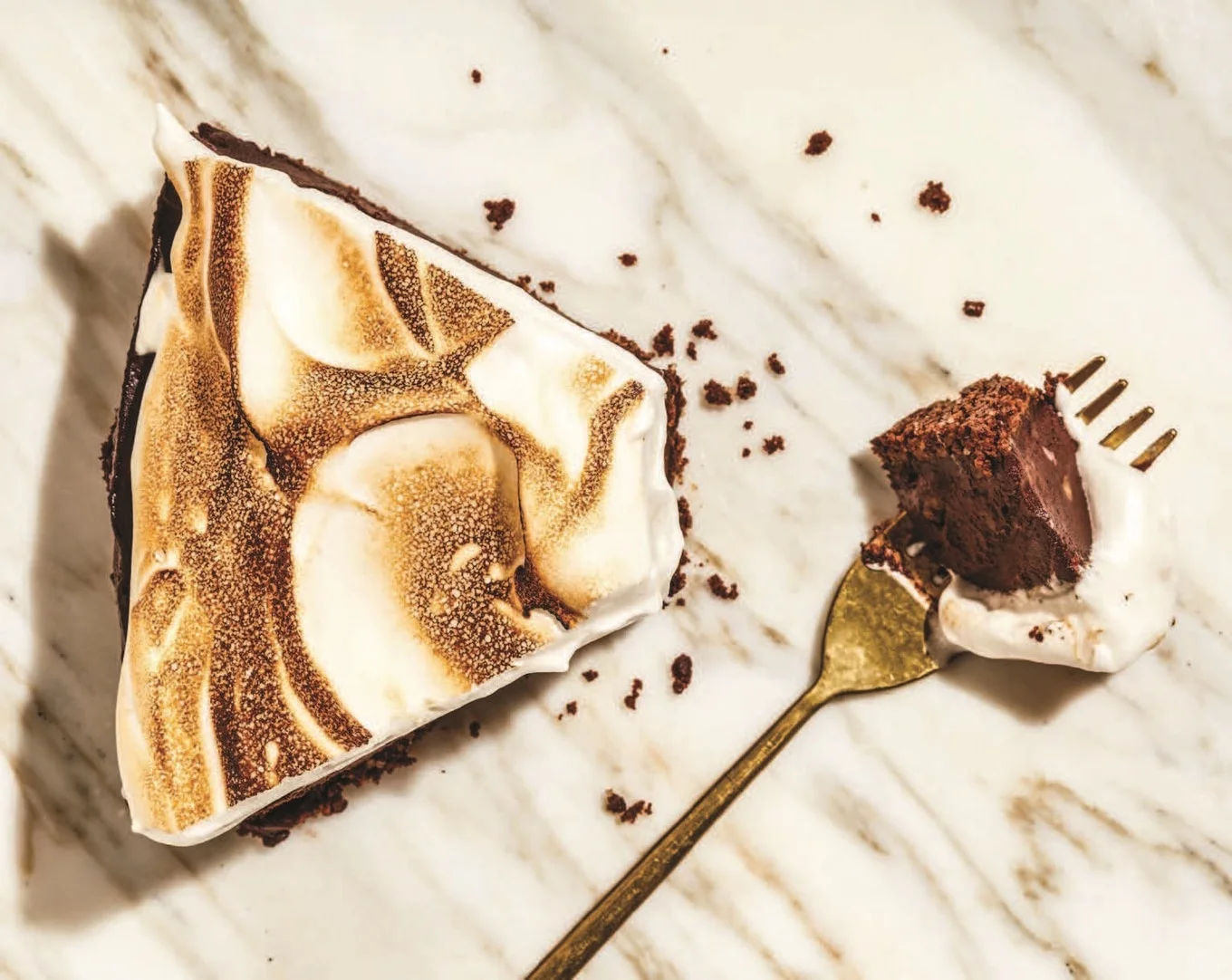
1Chocolate Pecan Cheesecake With Toasted Meringue and Fudge Sauce
From The Little Pine cookbook, this cheesecake layers a brown sugar graham cracker crust with a fluffy toasted meringue crown. The combination puts several textures in one slice: a firm base, creamy filling and airy top, with fudge sauce adding another rich note. Its elaborate finish belies a recipe described as relatively simple to make. That said, the topping gives the dessert much of its visual impact, so the meringue has a job beyond adding sweetness.
Get the recipe
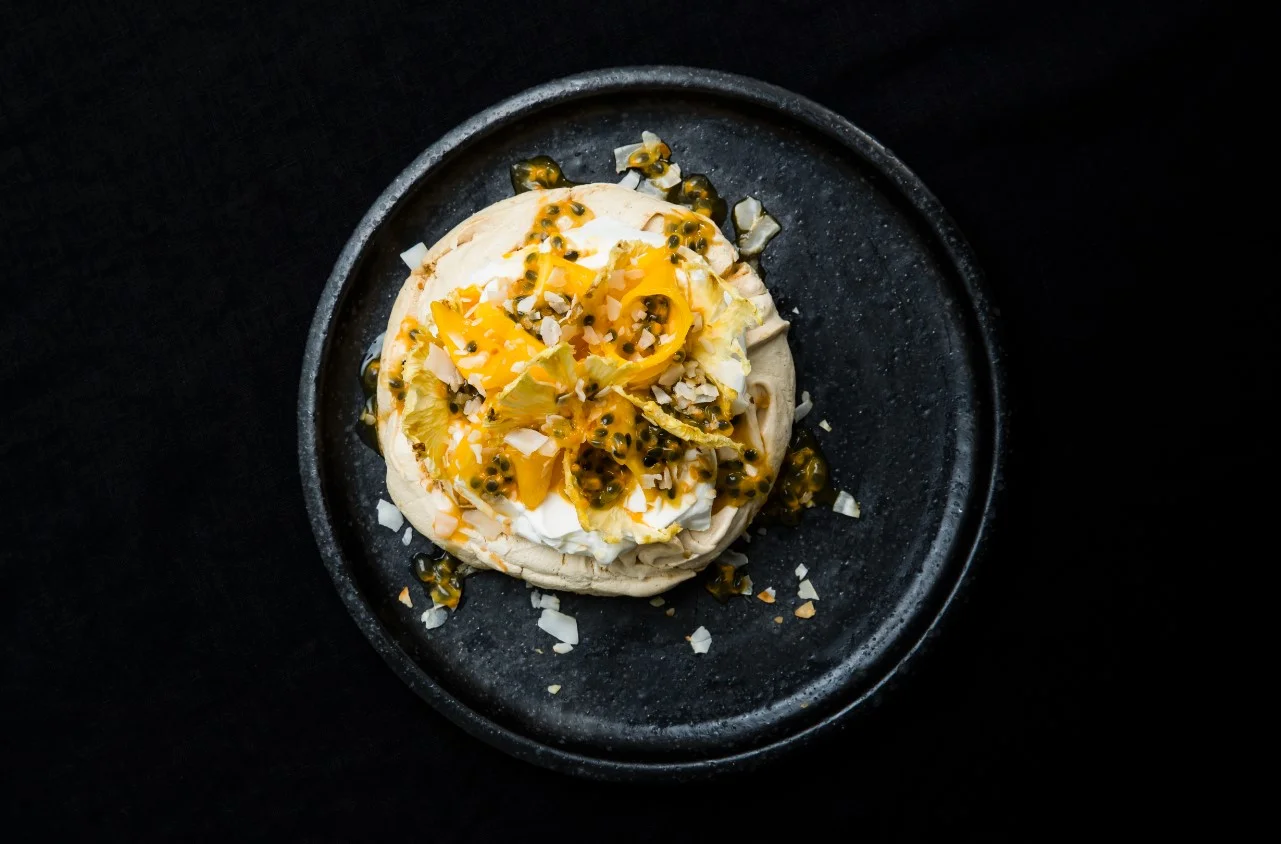
2 Tropical Passion Fruit and Mango Pavlova
This aquafaba pavlova, from the Vegan With Bite cookbook, brings together pineapple, passion fruit, mango, lime and coconut. The fruit gives the meringue a bright, tropical counterpoint, while the range of flavors makes the dessert feel more layered than a simple sweet topping. It draws on a dessert with roots in Australasia that has since found fans around the world. Here, aquafaba supports the familiar pavlova format while the fruit supplies most of the variation.
Get the recipe
 Nourish Books
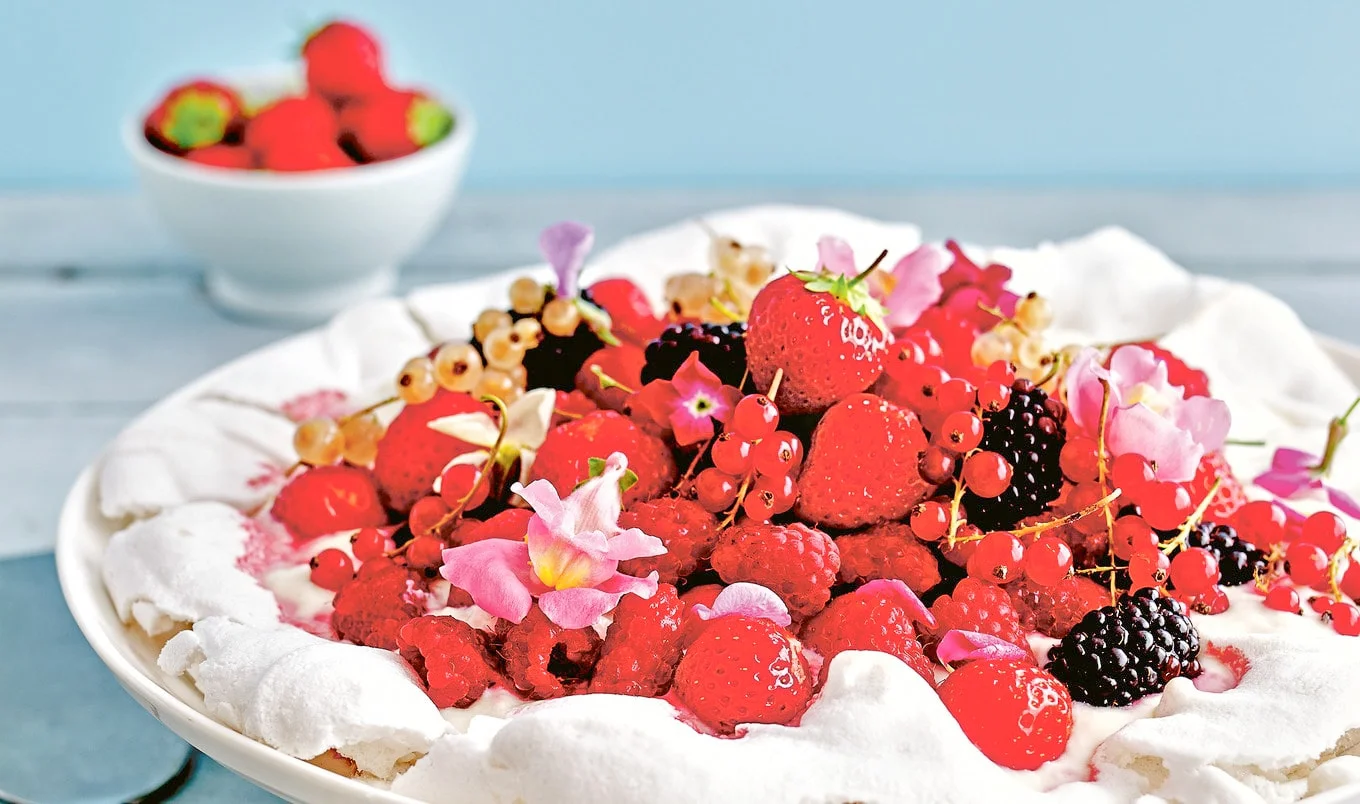
3 Mixed Berry Pavlova
For a berry-forward take, this pavlova swaps tropical fruit for a selection of favorite berries. That change shifts the dessert's emphasis toward familiar fruit flavors and gives the meringue a tart, fresh counterpoint. Edible flowers can add a finishing touch; see more about which varieties are edible here. The decoration is optional, but it points to how pavlova can work as a centerpiece as well as a dessert served by the slice.
Get the recipe
 Hannah Kaminsky
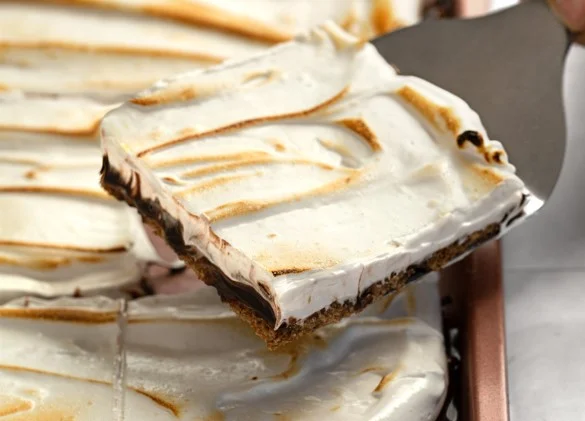
4 Indoor S’mores Bars With Toasted Marshmallow Meringue Topping
The Everyday Vegan Cheat Sheet cookbook supplies this indoor s’mores riff: a gooey chocolate center and thick graham cracker base sit beneath toasted marshmallow meringue. It translates the recognizable campfire pairing into a bar format, keeping the contrast between chocolate, cracker and a browned, soft topping. The meringue also carries the marshmallow cue without making the dessert depend on an outdoor fire. Familiar flavors, rearranged for the kitchen.
Get the recipe
 Lauren Toyota
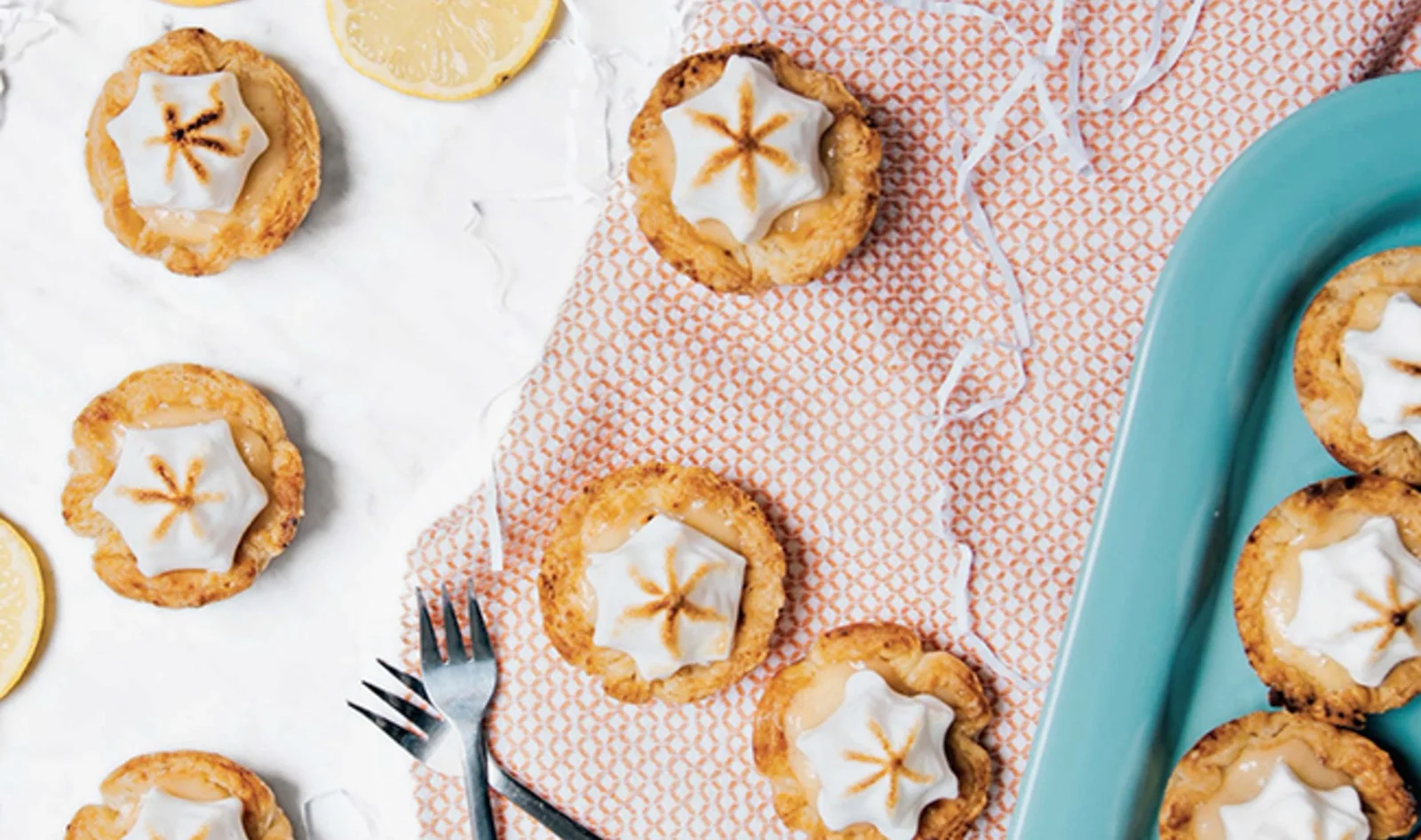
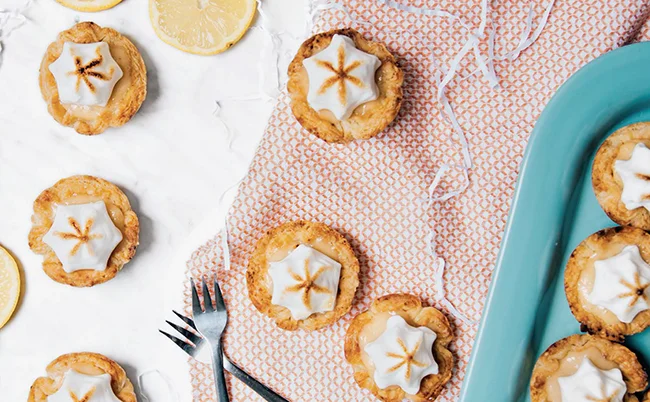
5 Lemon Meringue Pie Tarts
These individual tarts pair tart lemon with a light meringue topping, wrapped in flaky, buttery pastry. Their smaller format offers a portioned alternative to a full pie, while preserving the dessert’s familiar contrast of citrus and sweetness. The pastry adds a substantial base beneath a topping that might otherwise feel weightless, and the sharp lemon helps keep the sweet meringue in check. If you're choosing a recipe for a gathering, individual tarts also make the serving format part of the presentation.
Get the recipe
 Yuki Sugiura
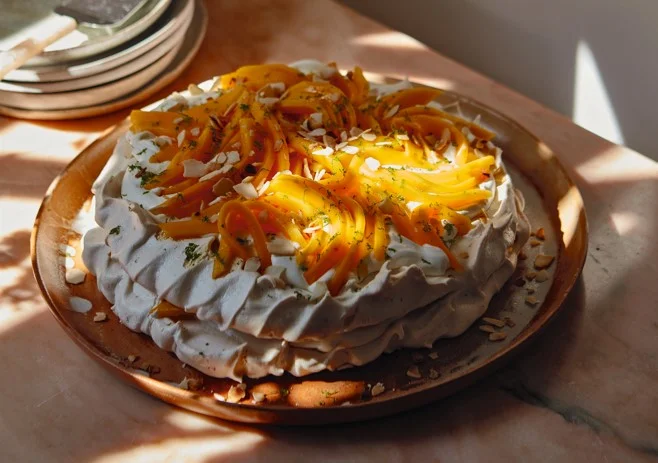
6 Black Pepper Pavlova With Fresh Mango and Vanilla Cream
Black pepper brings a savory edge to the sweetness in this pavlova from Plentiful. Fresh mango and homemade vanilla bean cream round out the dessert, showing how a small seasoning change can shift meringue’s flavor profile. Pepper isn't merely a garnish here; it gives the fruit and cream a sharper counterpoint and keeps the combination from reading as one-note sweet. And yet the structure remains recognizably pavlova: crisp meringue around soft, creamy accompaniments.
What these recipes show about vegan baking
Across these desserts, vegan meringue works as a shell, a topping and a flavor-bearing part of the dish. That range helps explain why aquafaba has become a practical ingredient for home bakers: it can support recognizable forms without requiring a single recipe style. The methods still differ, and a ready mix won't offer the same process as whipping chickpea liquid from scratch. For you as a baker, the choice comes down to whether you want to control the foam, follow a prepared formula or start with a mix that reduces the number of steps.
Here's the thing: a substitute earns its place when it does more than imitate an ingredient. In these recipes, meringue contributes texture, height and contrast, letting familiar desserts keep their character while changing the underlying method. Small differences in flavor and handling remain part of the experience. Worth keeping in mind.
Discussion
Sign in to join the discussion.