Plates pairs seasonal British produce and inventive mushroom dishes with a calm, intimate dining room. Its Michelin star has made reservations hard to secure.
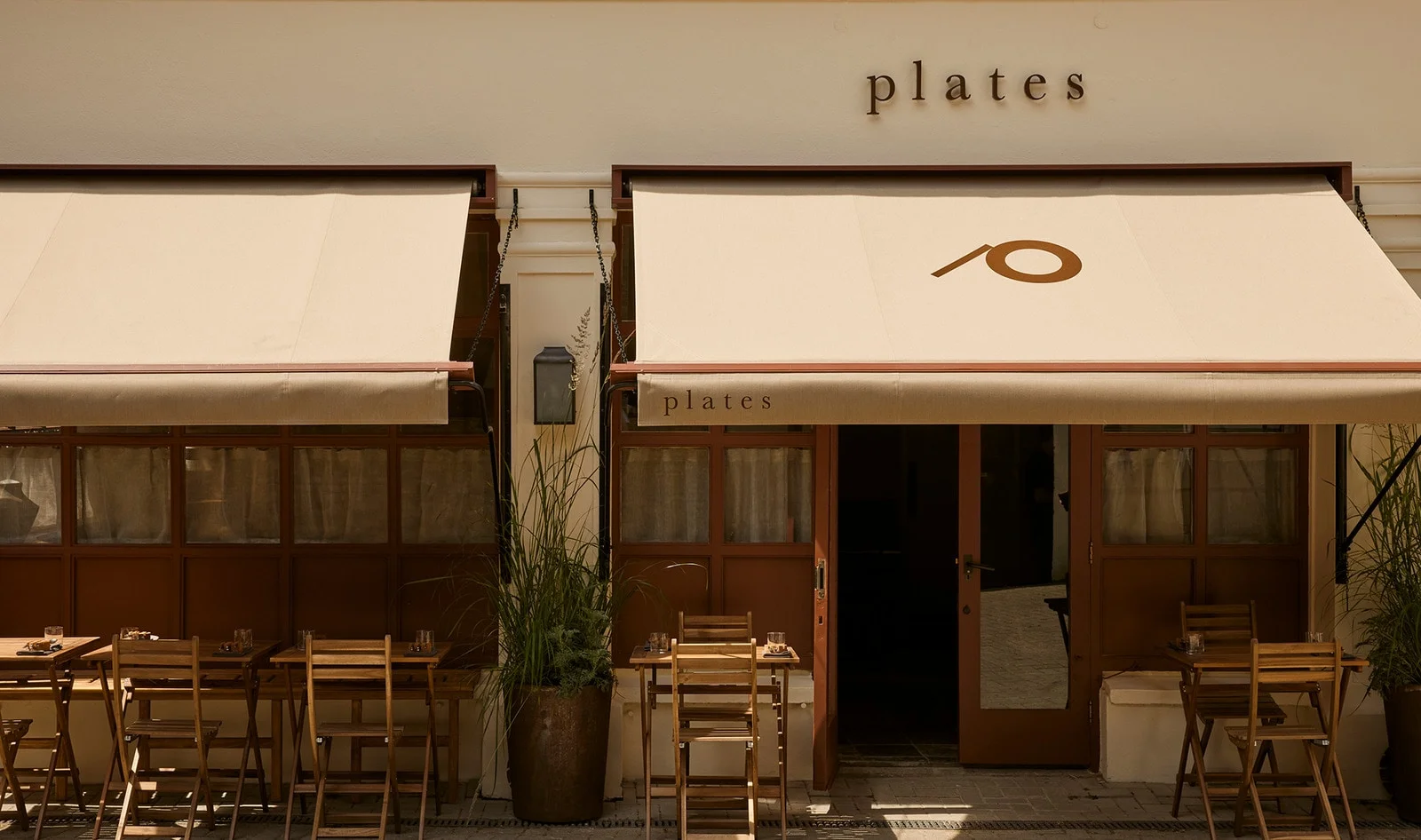
At Plates, a mushroom can command the attention usually reserved for a prime cut of meat. The Shoreditch restaurant builds its eleven-course menu around plants, fungi and fruit, using technique and precise seasoning to make each ingredient feel like the main event. Its caramelized lion’s mane is the clearest example; a barbecue maitake dish, with black bean mole, kimchi, aioli and puffed rice, makes the case in a different register.
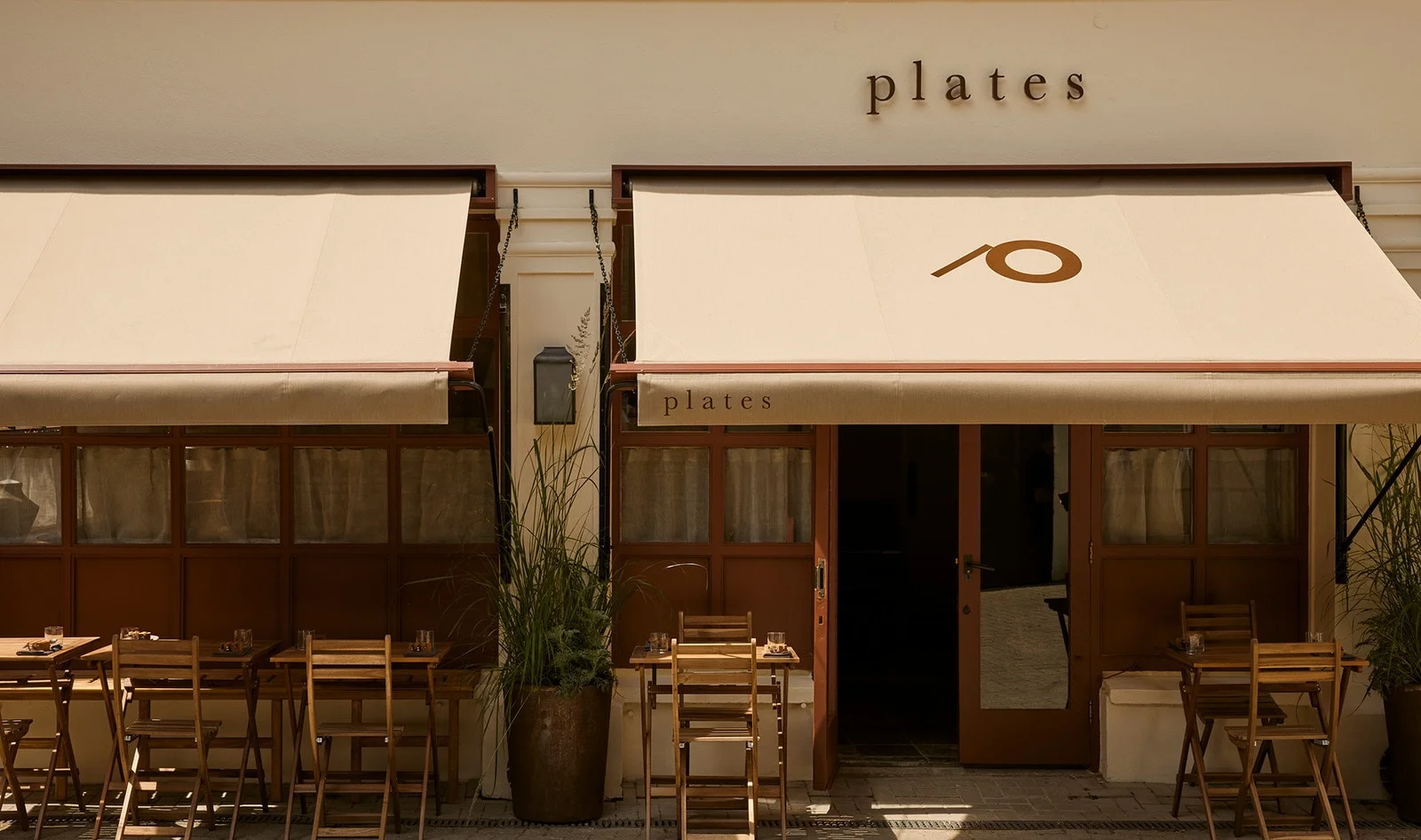
That focus has helped turn Plates into the UK’s first and only vegan Michelin-starred restaurant. The accolade brought fresh attention to a project that began as a 2017 pop-up, but the appeal is more specific than a star or a plant-based label. Plates offers a tightly considered tasting menu, an intimate room and a style of service that feels unusually calm for a high-pressure kitchen.
A quiet room in busy Shoreditch
Outside, Shoreditch moves at full volume: traffic, commuters, pubs and the steady churn of East London. Inside Plates, candlelight and soft illumination fall across cement walls, rich wood and natural textures. The dining room seats just 25, and the contrast with the surrounding streets is immediate. The atmosphere suggests hygge, though the food is anything but predictable.
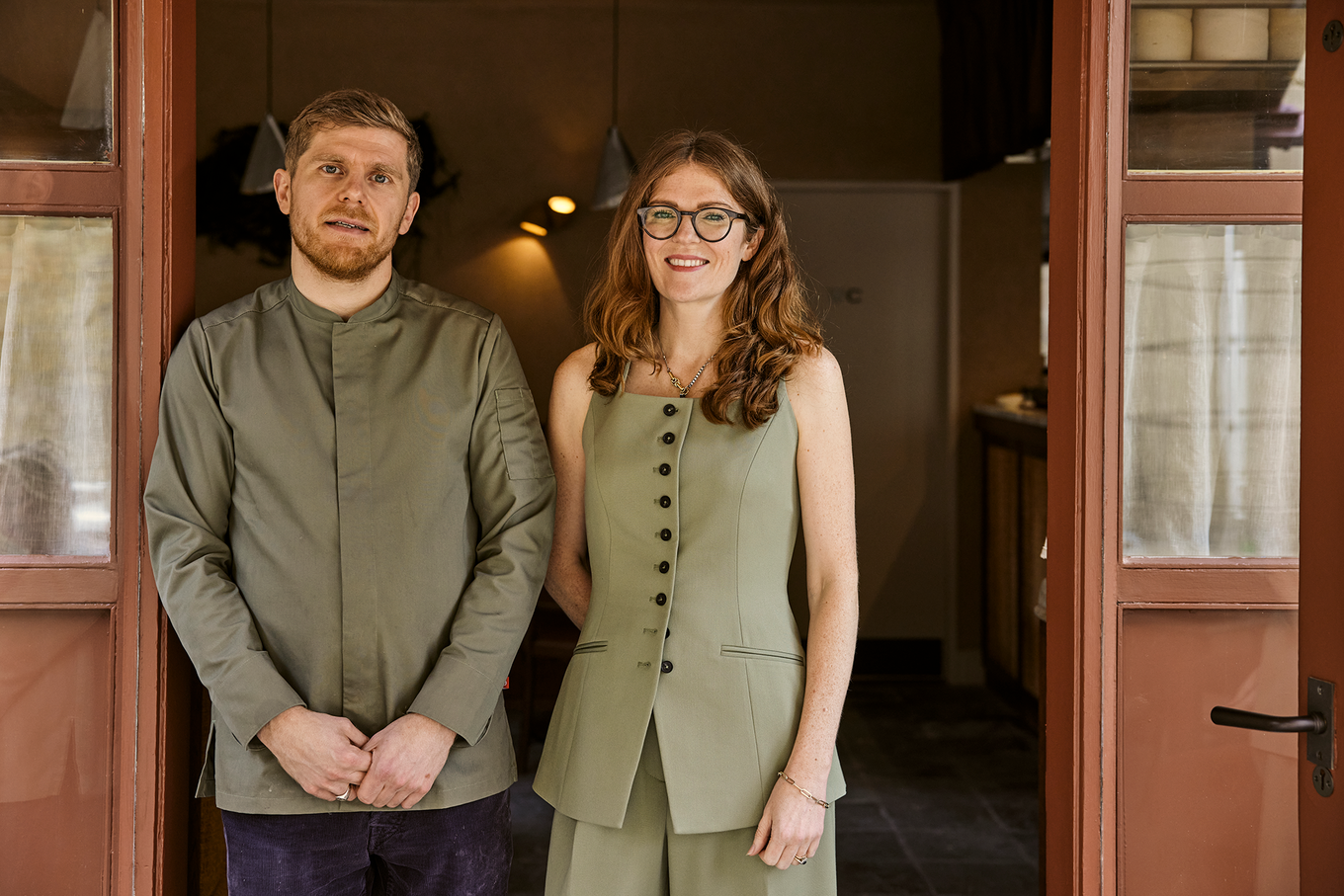
Much of the kitchen is visible from the dining room. Chefs prepare each course with quiet concentration, and Kirk Haworth, the restaurant’s head chef and co-founder, moves through service without turning it into a performance. He often supports the team by bringing ingredients or cutlery to the table as dishes are presented. The effect is personal and composed, with the craft on display but no theatrics.
That calm is the result of deliberate work behind the scenes. Haworth says he has experienced kitchens where service itself seemed designed to be difficult. At Plates, he puts the pressure into preparation and organization so that the meal can feel fluid once guests arrive. The approach shapes the dining experience as much as the lighting or the open kitchen does.
Haworth runs the restaurant with his sister, managing director Keeley Haworth. Before Plates, his career took him through kitchens including The French Laundry, Restaurant Sat Bains, The Square and Quay in Sydney Harbour. That background shows in the menu’s balance: familiar formats and flavors appear, but their ingredients and temperatures keep shifting.
Familiar forms, unexpected flavors
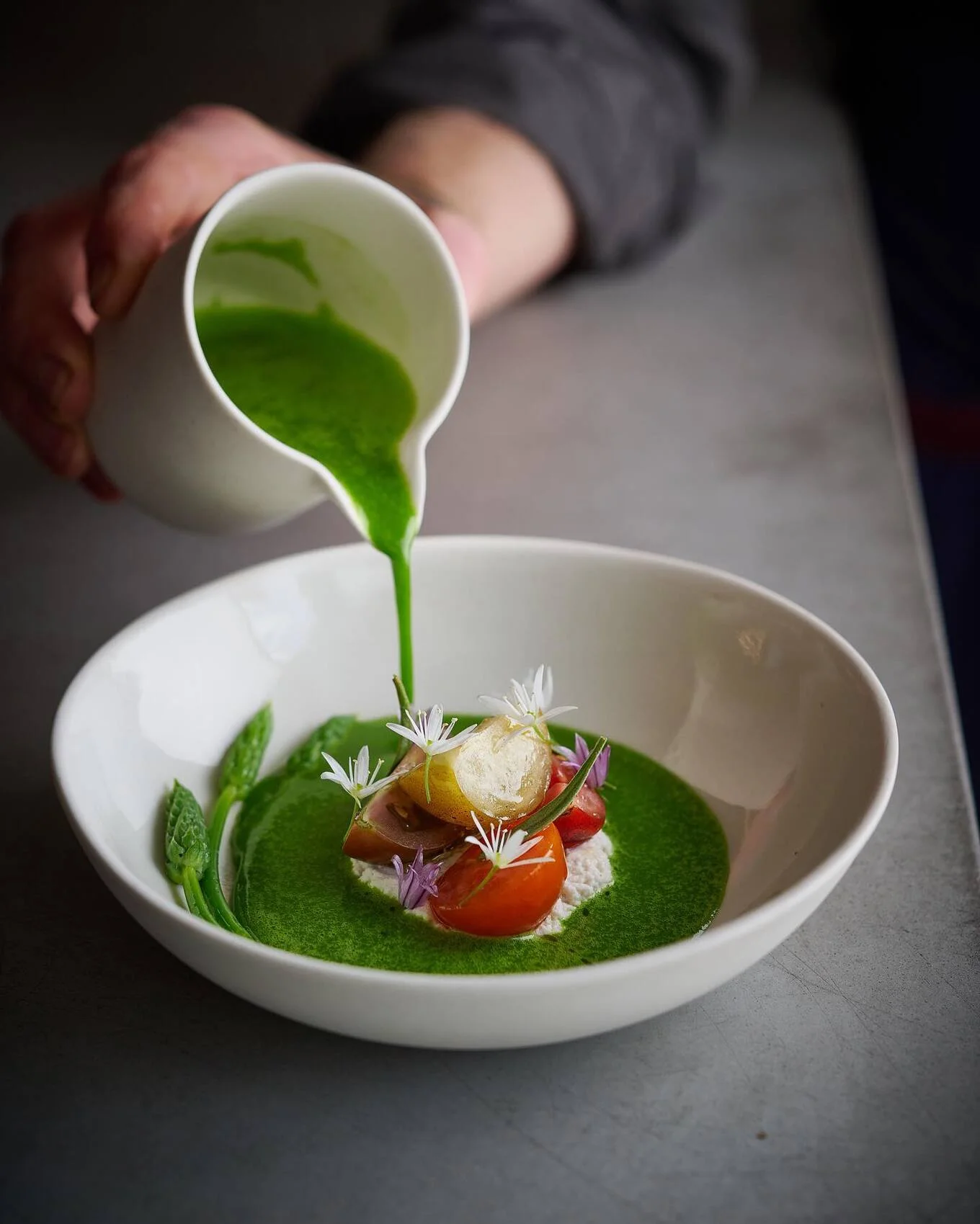
One of the evening’s early courses brings slow-cooked English tomatoes and strawberries together with shiso and frozen tarragon. It’s a restrained expression of seasonality, built around letting the ingredients speak. Haworth’s view is that sometimes the most interesting choice is to leave a product alone. Plates also makes room for the opposite impulse: playful combinations that ask diners to reconsider what a dish can be.
The restaurant’s cappuccinos are a good example. They contain no coffee, but keep the drink’s familiar foam and warmth while shifting the flavors. A Thai green curry cappuccino greets guests near the start of the meal. Later, a sweetcorn and passionfruit version moves from warm, foamy corn to cool, juicy fruit. A stone cube beside it holds a sweet-and-sour truffle. There’s another surprise beneath the presentation, which is best left for diners to discover.
Haworth describes the cappuccino as a way to test the limits of a familiar flavor while keeping it comforting. That tension runs through Plates: an idea might sound unusual on paper, yet arrive with enough balance and clarity to feel inviting. The courses don’t rely on novelty alone.
Drinks extend the same attention to flavor. The list spans wine, cocktails, beer, non-alcoholic options, coffee and tea. Among the selections are Vouette et Sorbée Champagne from France’s Côte des Bar and Lamoresca, a Sicilian red known for fruit and bitter wild-herb notes. The cocktails include a Blackberry & Mulberry Leaf Spritz and a Martinez made with strawberry and mushroom garum, bringing a sweet-and-savory edge to the gin-and-vermouth classic.
 Safia Shakarchi
Cooking from a different starting point
Haworth’s move toward plant-based cooking began after a tick bite while he was working in Australia more than a decade ago. He was diagnosed with late-stage Lyme disease and had to change his lifestyle and diet. Meat, fish, gluten, refined sugar and dairy were no longer part of the way he cooked or ate.
For a chef trained in high-end restaurants, that meant rebuilding his approach to flavor and to the structure of a special-occasion meal. He had to reconsider what could anchor a dish once ingredients such as scallops, turbot, venison, steak and caviar were off the table. His Michelin-level experience offered a foundation, and his father, chef Nigel Haworth, was another source of support, but the adjustment still required him to start again.
“I had to unlearn everything and start again,” Haworth says. “I had to rethink how you create flavor and how you make dishes that feel special without relying on those traditional ‘star’ ingredients like scallops, turbot, venison, steak, and caviar. Ingredients that can naturally become the centerpiece of an incredible dish.”
In 2017, Kirk and Keeley Haworth began Plates as a pop-up, giving London diners a chance to try his new cooking. The project arrived as interest in vegan food was growing in the city. Plates eventually moved into its Shoreditch home in 2024, and it received its Michelin star the following year. Reservations are now released through a newsletter and can sell out within minutes. The demand reflects both the restaurant’s limited 25-seat capacity and its standing as a distinctive destination for plant-focused fine dining.
 Plates
Mushrooms at the center
The maitake course gives the tasting menu an earthy, savory pulse. In Japan, the mushroom is sometimes called the “dancing mushroom,” a name linked to folklore about foragers celebrating when they found its ruffled caps growing near Mizunara oak trees. At Plates, the reference feels apt: its barbecued maitake is served over black bean mole with tangy kimchi, creamy aioli and crisp puffed rice. The mushroom’s deep, tender bite can recall chicken, but the dish makes its own case through smoke, acidity and texture.
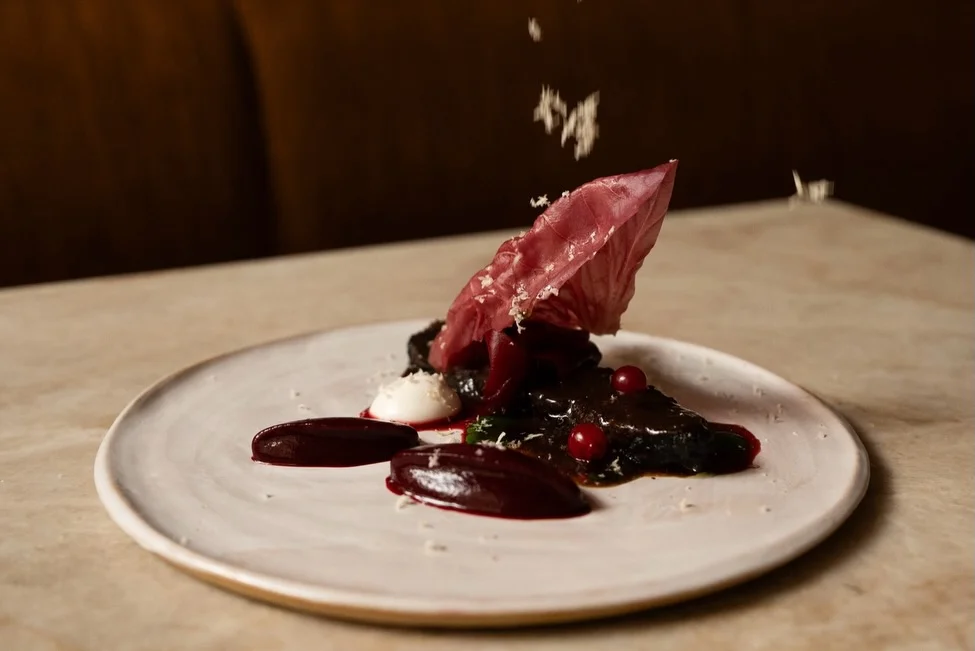
The menu’s centerpiece, though, is caramelized lion’s mane. The version served during this visit paired a juicy slice of mushroom with barbecued eggplant, pickled cucumber, gooseberries and basil. The accompaniments change with the season; earlier combinations have included Tokyo turnips with salsa verde, and cauliflower cream with smoked shio koji. The mushroom remains a fixture while the plate around it evolves.
Before the cooked course arrives, diners see a whole lion’s mane mushroom in its bright white, shaggy form and hear where it comes from. Plates sources it from a grower in Essex, where it is cultivated in repurposed shipping containers. That short introduction gives the dish a useful frame: lion’s mane grows in forests across the Northern Hemisphere, but here it is transformed through a local supply chain and careful cooking.
 Plates
Haworth hopes guests leave more curious about what plants, fruit and vegetables can do without meat or fish. The point is not to imitate a conventional tasting menu ingredient for ingredient. Plates gives fungi and produce their own center of gravity, then uses technique, seasoning and contrast to make the meal feel complete.
Two desserts close the meal: chicory-root ice cream with sour cherry compote, followed by English raspberries with meadowsweet ice cream, almond praline, mochi and black truffle shavings. They leave the same impression as the savory courses: an inventive combination can still be satisfying when its flavors are clearly arranged.
Plates asks for advance planning, but its strongest argument is on the table. The kitchen turns seasonal produce and cultivated mushrooms into dishes with recognizable pleasure and a point of view. For Haworth, the desired response is straightforward: guests should enjoy the food and want to return. With reservations disappearing quickly, that ambition already seems to be shaping the restaurant’s next chapter.
Discussion
Sign in to join the discussion.