After buying Vegan Essentials in 2024, Steven Skaff is rebuilding its inventory, customer service and specialty product range for a changed plant-based market.


For an online vegan grocer nearing its 30th year, the immediate challenge isn’t finding more products to list. It’s earning customers’ confidence that the products they order are actually available. That’s the first problem Steven Skaff set out to solve after buying VeganEssentials.com from PlantX at the end of 2024.
Skaff and his wife, Kim, also own FakeMeats.com. They acquired Vegan Essentials after watching the store change hands and, in his view, drift from the purpose that had made it a distinctive destination. “We wanted to make sure that it stayed around,” he told VegNews. His stated aim is to restore the store’s original character as a focused, family-owned business with personal customer service.
That character dates to 1997, when founders Courtney Ernster and Ryan Wilson launched Vegan Essentials as one of the early online shops devoted to vegan products. Skaff had spoken with them about buying the business in 2018, when they were ready to retire, but they ultimately sold it to someone else. The company later passed to Vejii and then PlantX before Skaff and his wife took ownership.
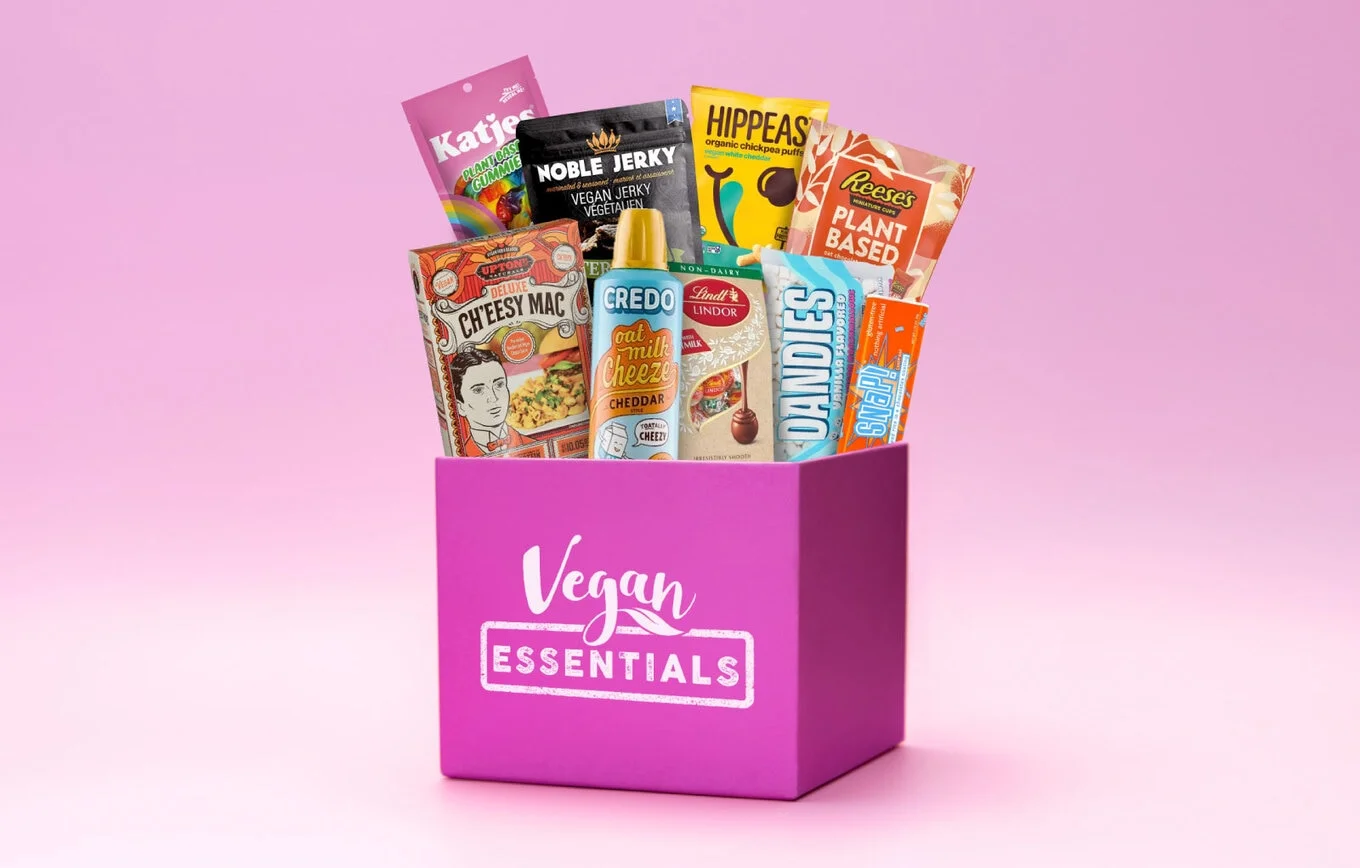 Vegan Essentials carries popular plant-based brands.
Availability comes before assortment
The new owners’ first operational move was to reduce the catalog. Skaff says the site had accumulated a very broad range, but many listings were out of stock. The team narrowed its selection to popular products, using the company’s sales history and customer feedback to decide what to keep, then made sure those products were physically in the warehouse.
That decision trades a long list of options for a more dependable shopping experience. “If you order a product and the website says that it’s in stock, it’s in stock,” Skaff said. It’s a straightforward promise, but one that matters particularly for specialty food buyers, who may turn to an online store because a local supermarket doesn’t carry what they need.
 Dairy-free peanut butter cups are a customer favorite.
Service is the other part of the reset. Skaff says customers can contact the team with questions and get help when an order or product creates a problem. His short description of the company’s renewed approach is: “We’re back, we’re family-owned again, and we’re listening.”
Wilson remains an informal sounding board. Skaff occasionally asks him about brand relationships or which categories need attention. Wilson’s suggestions include bringing back a stronger selection of dark chocolate bars, a reminder that restoring a store’s identity can involve listening to people who know its customers as well as reviewing sales data.
Specialty products still set the store apart
Major supermarkets now carry more vegan options than they once did, but hard-to-find items remain part of the case for specialist retailers. Skaff says the initial focus on products the company could keep in stock meant some unusual, limited-run items received less attention. Those harder-to-source products are now an area the business can build on as its supply relationships develop.
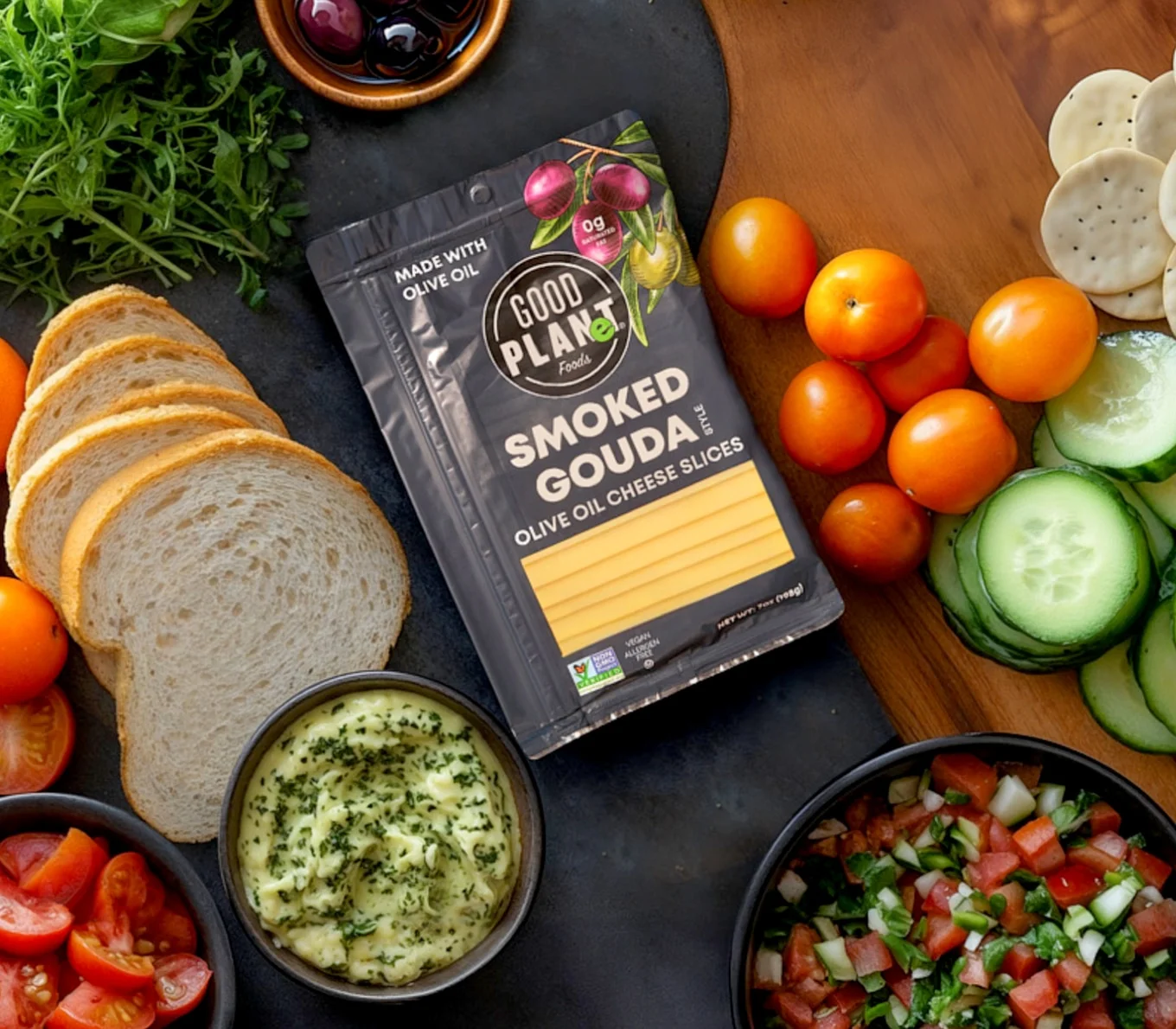 The store carries plant-based cheeses including gouda, brie and gruyere.
Working directly with manufacturers can make that specialty role more useful to both shoppers and emerging brands. When Chunk Foods began selling to consumers in 2024, Vegan Essentials worked to bring its products onto the site. The store now receives frozen pallets of Chunk steak and helps ship samples and influencer packages. In return, Chunk tells customers that Vegan Essentials is a place to buy its products.
A second example is Mori-Nu’s plant-based imitation crab. The tofu maker had developed the item for commercial kitchens, but Skaff says his team worked with the company to create consumer-size packages. That kind of arrangement gives a specialty retailer a role beyond listing products: it can help a maker reach customers who otherwise might not be able to buy a food-service item for home use.
Staples, sweets and seasonal finds
The catalog spans everyday pantry and baking goods, personal care, holiday meals and treats. It includes artisanal vegan brie from Rebel Cheese, gelatin-free Dandies marshmallows, Tofurky holiday roasts and condensed plant milks from Nature's Charm.
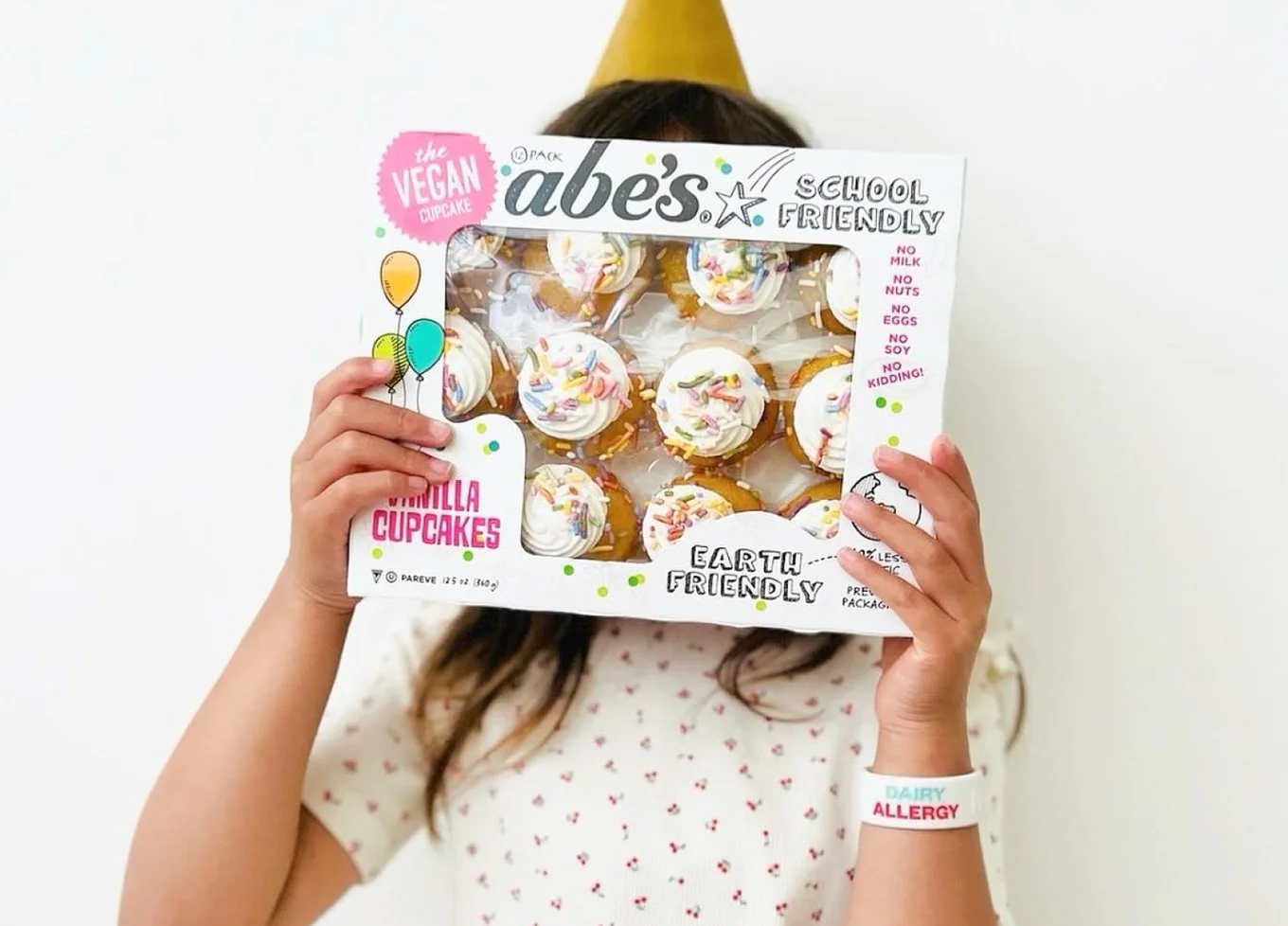 Abe's cupcakes are among the store’s kid-friendly treats.
Confectionery is another draw, from No Whey! and Go Max Go candy to Stewarts' Cheesecakes, offered in flavors such as strawberry shortcake, caramel pecan and white chocolate raspberry. Seasonal releases, nostalgic candies and limited-edition desserts give the store a reason to carry items that may not make sense for a national chain’s standard assortment.
For holiday shoppers, the range includes roasts, cheeses and candies, as well as plant-based caviar for special gatherings. The site also offers a gift certificate; the source article says orders over $25 include free chocolate croissants with the certificate. These seasonal options put familiar hosting needs alongside products that can be difficult to find in conventional grocery aisles.
Competing on trust and curation
Vegan Essentials has been named “Best Online Vegan Grocery Store” in the VegNews Veggie Awards 20 times, according to the source. That history gives the new owners an established reputation to protect, while the store’s current emphasis on stocked inventory and direct customer support points to the work required to maintain it.
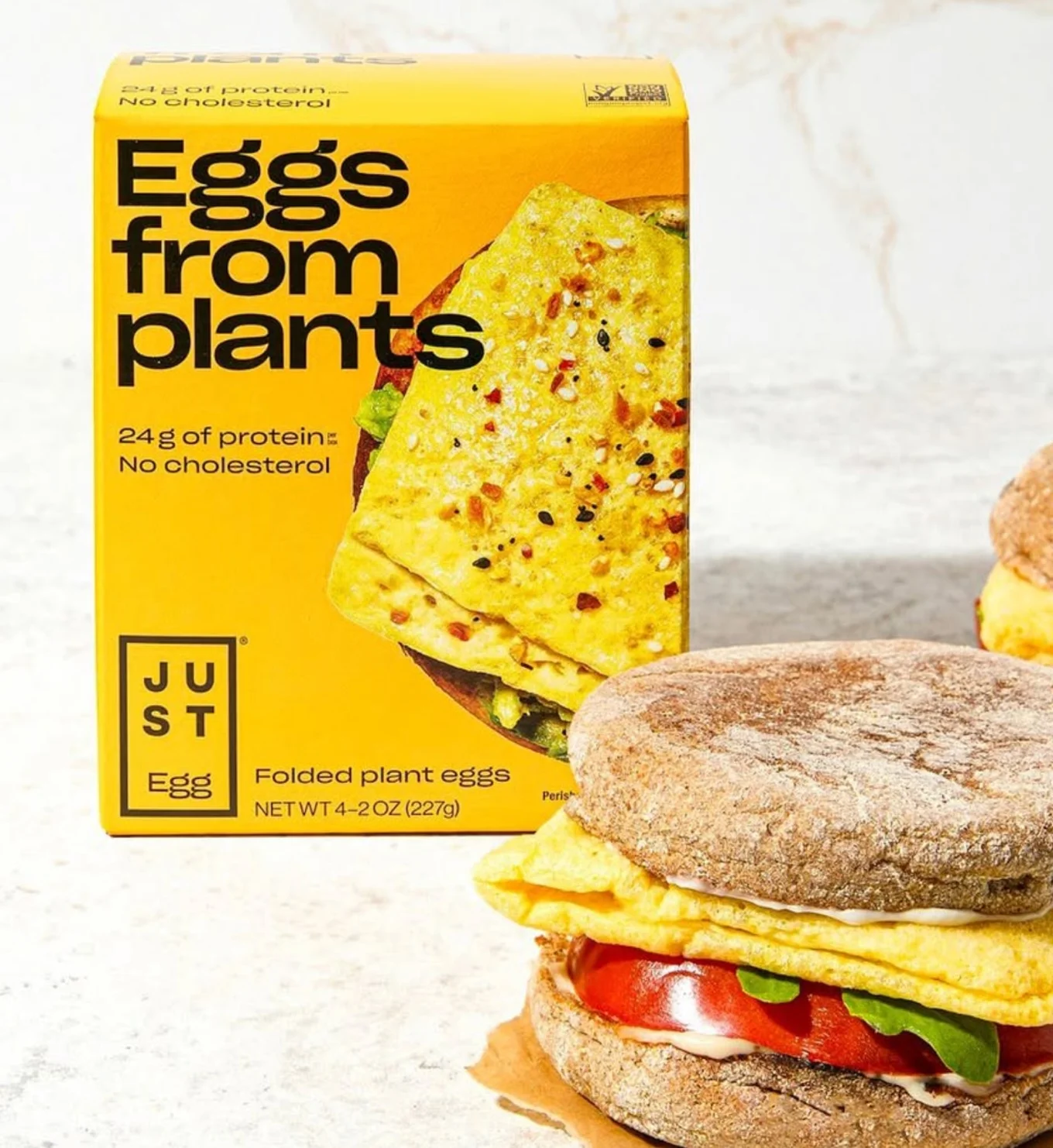 Vegan Essentials says it is vegan-owned and tests the products it carries.
The store also wants to serve people who are still learning what vegan products are available. Skaff says the site aims to be useful both as a place to shop and as a source of information for people searching for plant-based food. In a market where larger retailers have expanded their offerings, that combination of selection and guidance may help a specialist store remain relevant.
 The store carries a range of plant-based meats.
Its category choices will need to reflect changing demand. Skaff points to protein-rich snacks such as popcorn and pretzels as products the company is watching, while many examples on the market use whey protein. He also says that, as meat-substitute sales cool in stores, Vegan Essentials wants to keep those products available online. That’s a practical role for a specialist retailer: maintain access to products that may have less shelf space in mainstream grocery stores, while tracking newer customer interests.
Building capacity for the next phase
Skaff says the business plans to add freezer capacity, pursue better shipping rates for cold products and deepen relationships with brands. Those are operating priorities as much as growth ambitions. Frozen and refrigerated goods can expand a store’s appeal, but they also require storage and delivery systems that can keep products in good condition and make shipping workable.
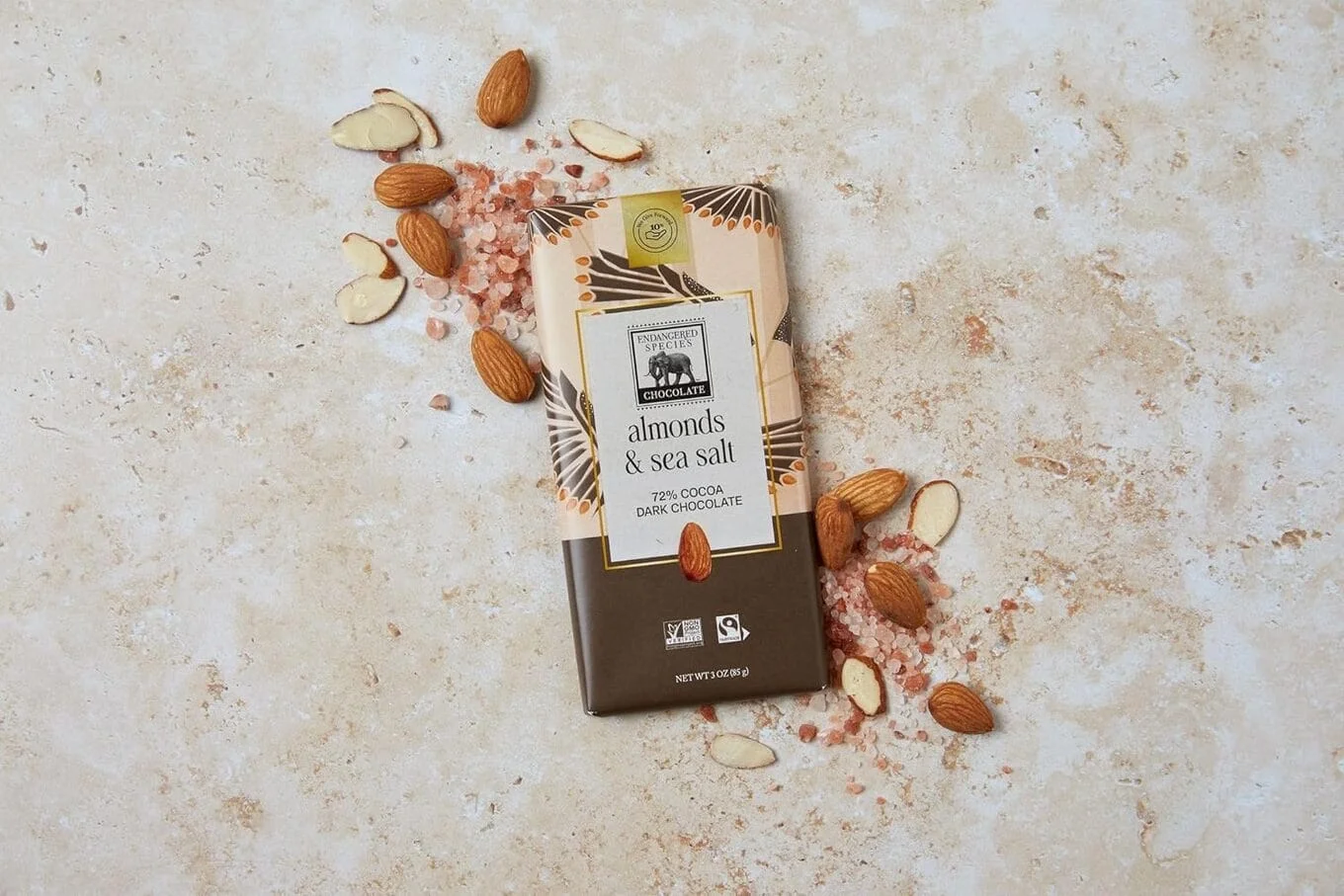 Chocolate is one of the store’s best-selling categories.
For independent retailers, the opportunity lies in combining reliable access to familiar favorites with the ability to introduce smaller brands and unusual products. A plant-based steak or imitation crab can attract customers looking for a specific substitute; a nostalgic candy or a dependable baking staple can give them another reason to return. Skaff’s goal is to restore Vegan Essentials around that mix, supported by family ownership and responsive service. After nearly three decades online, the store’s next test is whether its operations can keep pace with the community it has built.
"Being vegan and family-owned and having great customer service is really what customers are looking for," Skaff said. "So that’s what we’re focused on."

VegNews disclosed that Vegan Essentials partnered with it on the source story.


Discussion
Sign in to join the discussion.