Seven vegan products bring Japanese flavors into everyday cooking, from matcha lattes and mochi waffles to miso noodles and umami sauces.

Japanese flavors are showing up well beyond the matcha latte. Whole Foods Market’s 2027 trend predictions point to growing US interest in yōshoku, the Western-influenced Japanese comfort food behind dishes such as katsu curry. The category is useful to think of as an exchange: familiar formats such as pancakes, barbecue sauce and instant noodles meet seasonings and textures associated with Japanese cooking. That combination can feel approachable to home cooks who want to try new flavors without starting with an unfamiliar technique or a long ingredient list.
For home cooks, the appeal is practical: a few pantry staples and ready-to-mix products can bring sweet, savory and deeply umami flavors into everyday meals. These products won’t recreate every dish in the yōshoku tradition, and a packaged sauce is no substitute for a meal built from scratch. But convenience can lower the effort required to experiment. A sauce can change the direction of a weeknight bowl; a chewy pancake mix can make breakfast feel different with little extra work.
These seven vegan picks span breakfast, quick dinners and versatile condiments. Their common thread is adaptability: most can be added to food you already make, so trying one doesn’t require reorganizing the pantry or planning an elaborate menu.

For breakfast and a quick drink
Breakfast products make a low-commitment starting point. Mochi-style pancakes put texture at the center, while a prepared matcha latte mix focuses on speed. Neither asks the cook to learn a new method, though the results depend on the mix and how it’s prepared. If you’re working in this space, that balance between novelty and convenience helps explain why Japanese-inspired products can travel beyond specialty cooking.
 Mochi Foods
1 Mochi Foods Pancake & Waffle Mix
Short-grain sticky rice gives mochi its characteristic chew, and the same ingredient makes for soft, pillowy pancakes and waffles. Mochi Foods’ Hawaiian-inspired mix is vegan and gluten-free, offering an easy way to bring that texture to breakfast. That texture is the main point: it gives a familiar meal a different feel without requiring a separate cooking technique. Serve the pancakes or waffles as you normally would, or let the chewiness stand on its own as the reason to try the mix. It’s a small change, but one you’ll notice at the table.
Shop Now
 Haru Matcha
2 Haru Matcha Oat Milk Latte
Haru’s latte mix pairs ceremonial-grade matcha with oat milk and MCT oil. It comes in original, vanilla and chai flavors, and only needs to be mixed with a drink of your choice—no whisk or frother required. That convenience is also the product’s defining tradeoff: it removes preparation steps, while the mix determines much of the drink’s character. The flavor options give buyers a choice between a straightforward matcha profile and sweeter or spiced variations. For a quick drink at home, fewer tools can matter as much as the ingredients.
Shop Now
Condiments that do the heavy lifting
Condiments offer a flexible way to experiment because a small amount can shift a dish’s balance. Creaminess, salt, sweetness, acidity and heat all affect how a sauce works, so these products aren’t interchangeable even when they share savory notes. Try them as accents first, then adjust to taste. The aim is to add a clear flavor, not bury the rest of the meal.
 Kewpie
3 Kewpie Vegan Mayo
Kewpie’s signature mayonnaise is known for its creamy body and savory depth, with rice vinegar and MSG contributing to its distinctive flavor. The company also makes a vegan version, suited to sandwiches, sauces and dips. Its role is familiar but useful: mayonnaise can carry seasoning through a filling or sauce, while the vinegar adds a sharper edge than richness alone would provide. That makes it an easy fit for cooks who want a creamy base with more flavor than plain mayo. Start with a sandwich or dip, where its texture can do some of the work.
Shop Now
 Kimono Mom
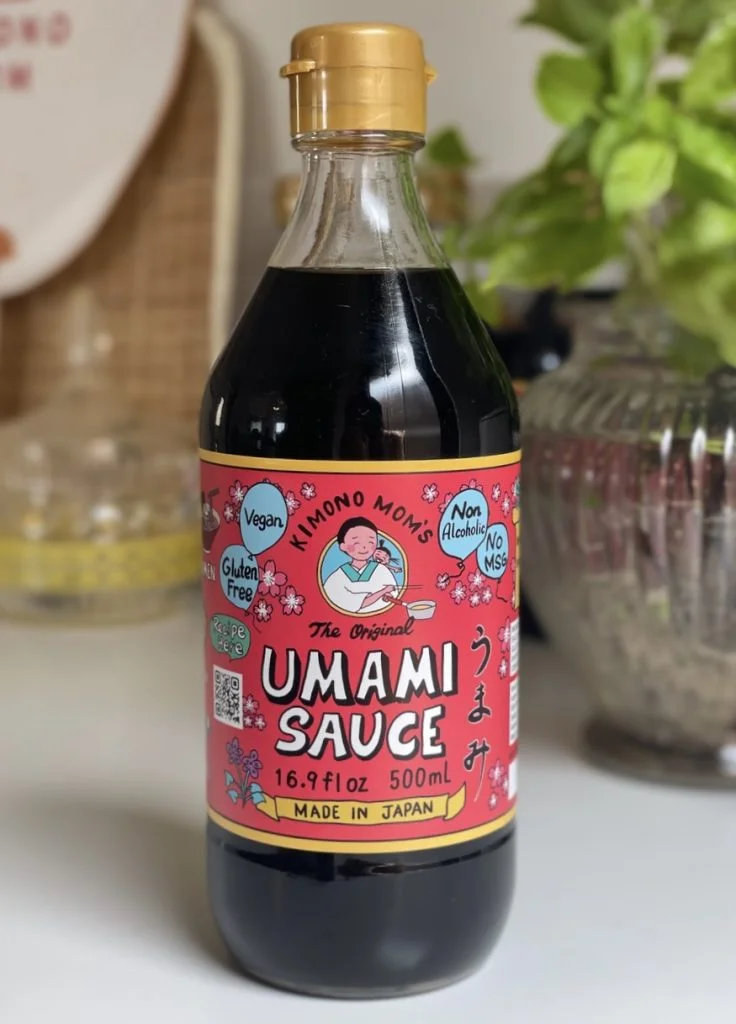
4 Kimono Mom's Umami Sauce
Tamari soy sauce, shiitake mushrooms, kelp extract and salt give this sauce a concentrated savory profile. A splash can add depth to salads, stir-fries, sandwiches or soups without building the flavor from several separate ingredients. That convenience is especially helpful when a dish tastes flat but already has its main components in place. Add a little, taste, then decide whether it needs more; concentrated seasonings can quickly become the dominant flavor. A shortcut, with a light touch.
Unlike a creamy condiment, this sauce is suited to dishes where a liquid seasoning can spread through several ingredients. It could bring a savory note to a dressing or work its way into a stir-fry. The broad list of uses makes it one of the more adaptable items here, though the tamari and salt mean it’s best treated as seasoning rather than a neutral base.
Shop Now
 Bachan's
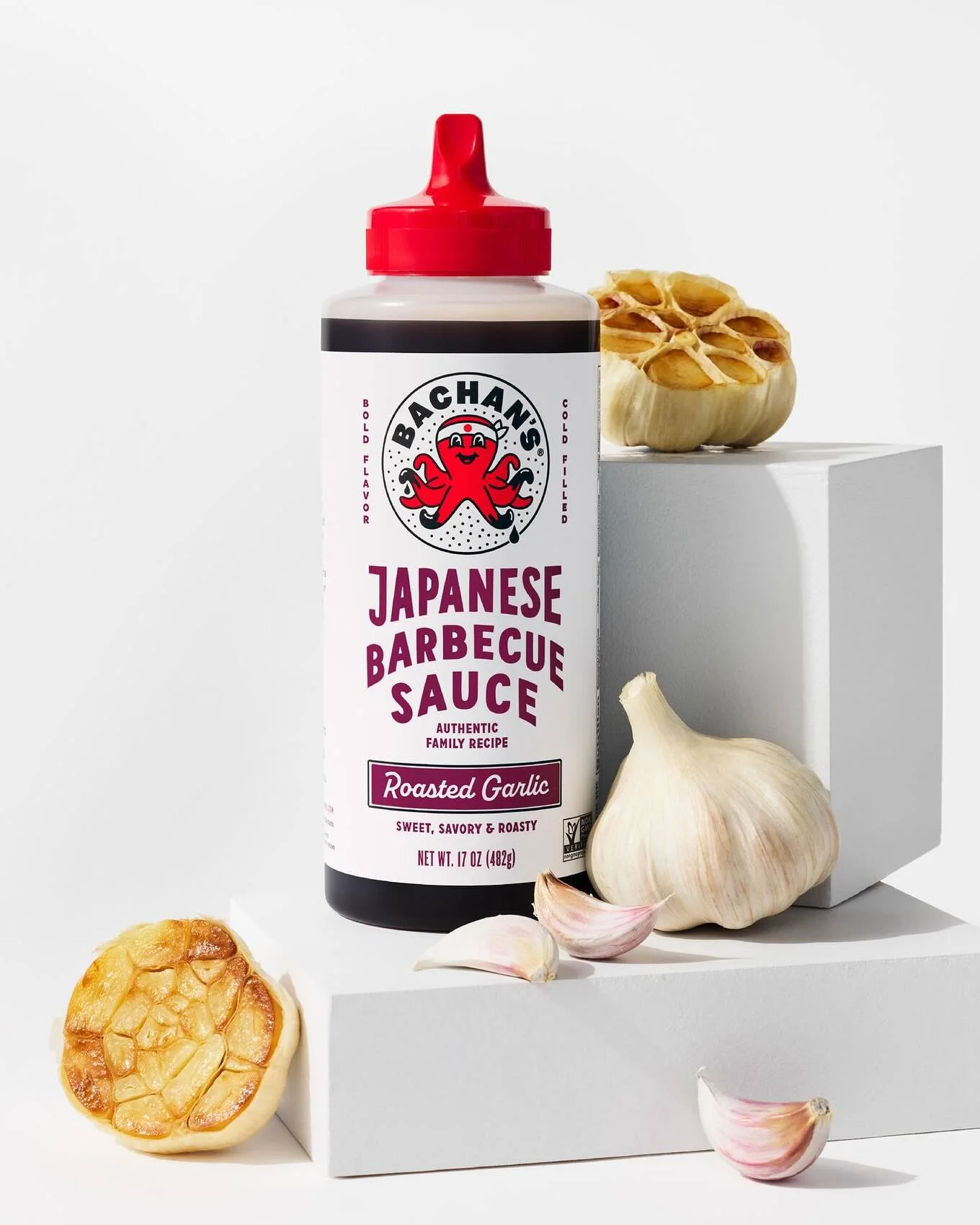
5 Bachan's Roasted Garlic Japanese BBQ Sauce
Bachan’s makes several Japanese-style barbecue sauces, including this sweet-and-savory roasted garlic option. It’s an easy finishing sauce for cooks looking to add a punchy condiment to a meal. As a finishing sauce, it can bring a strong, distinct note to food that’s already cooked, which keeps it simple to use but makes portioning matter. The sweet-and-savory profile may suit a range of dishes, but the roasted garlic is likely to be the first thing you notice. Use it where that flavor has room to stand out.
Shop Now
 Musubi Japan
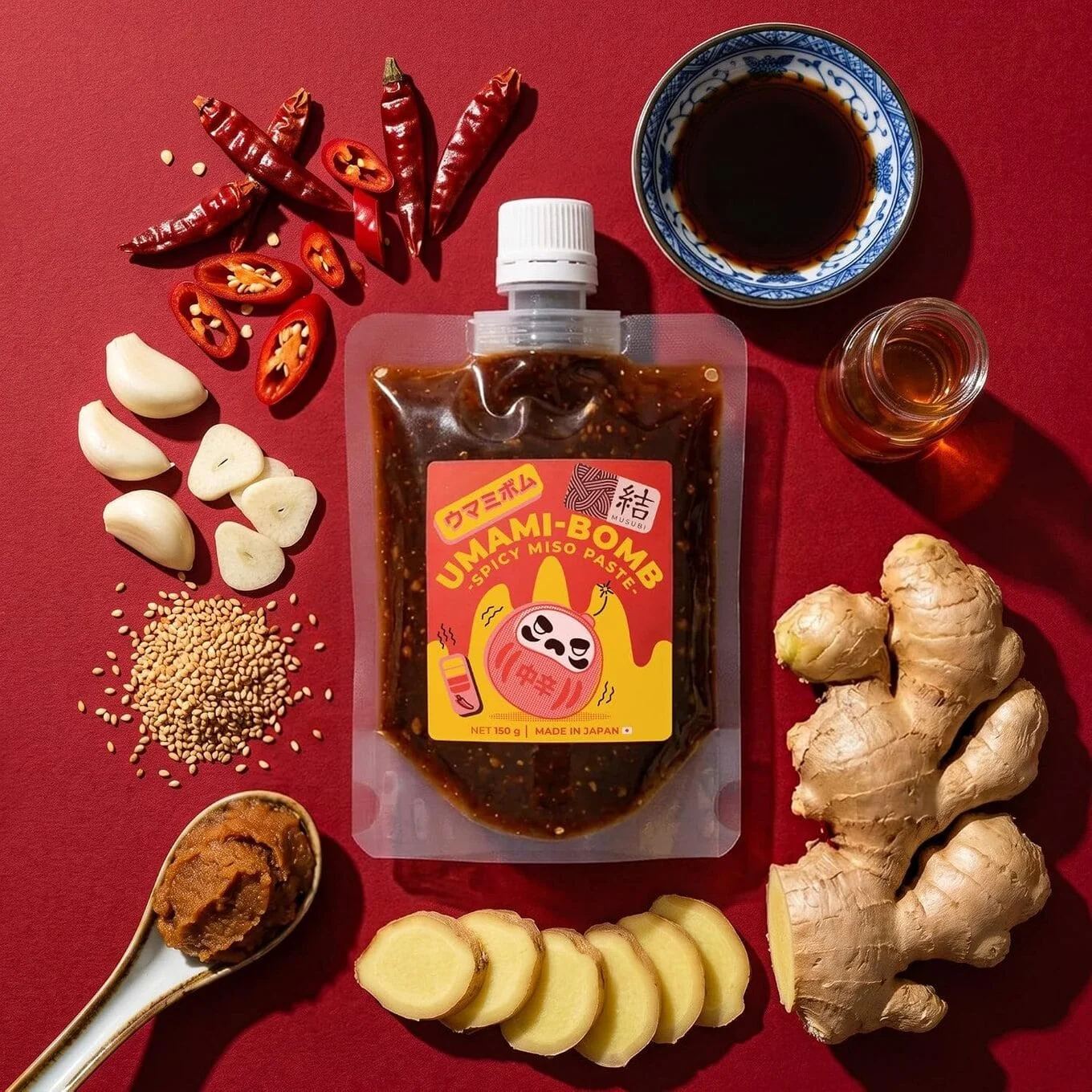
6 Musubi Japan Umami-Bomb Spicy Miso Paste
Fermented miso, garlic and red chili make this paste a concentrated blend of savory heat. Squeeze it into marinades, glazes, dips or sauces when a dish needs more depth and spice. Its paste format means it can be stirred into a larger preparation or used more directly as a condiment, depending on how much heat you want. That versatility is useful, though concentrated flavor rewards a cautious first addition. Mix it into a sauce, taste, and build from there rather than guessing at the right amount.
Miso brings fermentation and saltiness; garlic and chili add sharper, warmer notes. Together, they offer a quick way to change the character of a dip or marinade. For anyone already cooking with miso, the combination is straightforward. For newcomers, it’s a compact introduction to how savory flavor and heat can work together.
Shop Now
Fast comfort food
Instant noodles occupy a different place from pantry condiments: they’re a meal format in their own right. The convenience is the attraction, but texture and seasoning determine whether the bowl feels satisfying. A spicy miso broth and thick noodles offer more character than a plain quick meal, while leaving room for cooks to add their own ingredients if they choose.
 Yulu
7 Yulu Nom Nom Spicy Miso Udon
Thick, chewy udon and spicy miso bring a satisfying mix of texture and umami to this instant noodle option. It’s built for the days when a full meal from scratch isn’t on the schedule. The appeal is direct: the noodles provide chew, while the miso supplies savory depth and heat in a quick format. This is more significant than it looks. Convenience foods often set a low bar for flavor; a strong, distinctive broth can make a fast bowl feel like a deliberate choice. If you want to make it your own, the category generally leaves room for additions such as vegetables, though the product’s stated draw is that it can stand as a quick meal by itself.
Shop Now
What these picks say about the trend
Together, these products make Japanese-inspired flavors easy to work into daily routines, whether that means a matcha drink at breakfast, a fast bowl of udon or a spoonful of miso paste in dinner. Their appeal rests on a practical promise: familiar ways of eating, with different textures and seasonings. The products also show how broad the category is, stretching from a drink mix to a ready meal rather than focusing on one ingredient or occasion.
That said, a row of packaged products can only tell part of the story of yōshoku. The term describes a wider food tradition than any one sauce or convenience mix can capture, and these picks are best understood as accessible entry points. For shoppers, the useful question is whether a product adds something they’ll actually use: a new texture at breakfast, a distinct seasoning for weeknight cooking, or a satisfying option when time is short. If the answer is yes, these are practical ways to explore the flavors behind the trend without turning every meal into a project.



Discussion
Sign in to join the discussion.