A small Stanford study found clusters of molecular changes in the mid-40s and early 60s. Plant-rich foods may help support health through these shifts.


Aging may bring periods of concentrated biological change rather than a smooth, year-by-year decline. A 2024 Stanford study found marked shifts in thousands of molecules around age 44 and again around 60. The findings are intriguing, though the study followed only 108 people in California, aged 25 to 75.
The practical question is what might help people stay healthy through those periods. Nutrition is one possible part of the answer: Tanner Gish, a Certified Dementia Practitioner and Director of Operations at Loving Homecare Inc., points to plant foods that supply fiber and compounds associated with antioxidant and anti-inflammatory effects.
“In the 40s and 50s, metabolic and immune function can decline due to hormonal changes, oxidative stress, and inflammation,” Gish tells VegNews. “A plant-based diet, rich in antioxidants, fiber, and anti-inflammatory compounds, can help counteract these effects.”

Two periods of molecular change
Researchers tracked more than 135,000 molecules and microbes over several years. They found that changes clustered in the mid-40s and early 60s, affecting pathways tied to lipid and carbohydrate metabolism, kidney function, immune regulation, and cardiovascular disease.
“We’re not just changing gradually over time; there are some really dramatic changes ... in the mid-40s, as in the early 60s,” Michael Snyder, PhD, professor of genetics and the study’s lead author, said in a statement.
 Sam Williams | Unsplash
Some shifts fit established patterns, including menopause-related changes and a slower metabolism. Others appeared in both men and women: in their mid-40s, participants showed changes in how they processed alcohol, caffeine, and fats, alongside shifts related to muscle and skin health. In their 60s, changes were more pronounced in carbohydrate metabolism and immune function, while cardiovascular disease markers also became more prominent.
The findings suggest age-related change may arrive in clusters. They don’t show that diet can prevent those shifts, but they give researchers and clinicians a reason to examine how nutrition and other habits relate to health during these windows.
Fiber, vegetables, and healthy fats in midlife
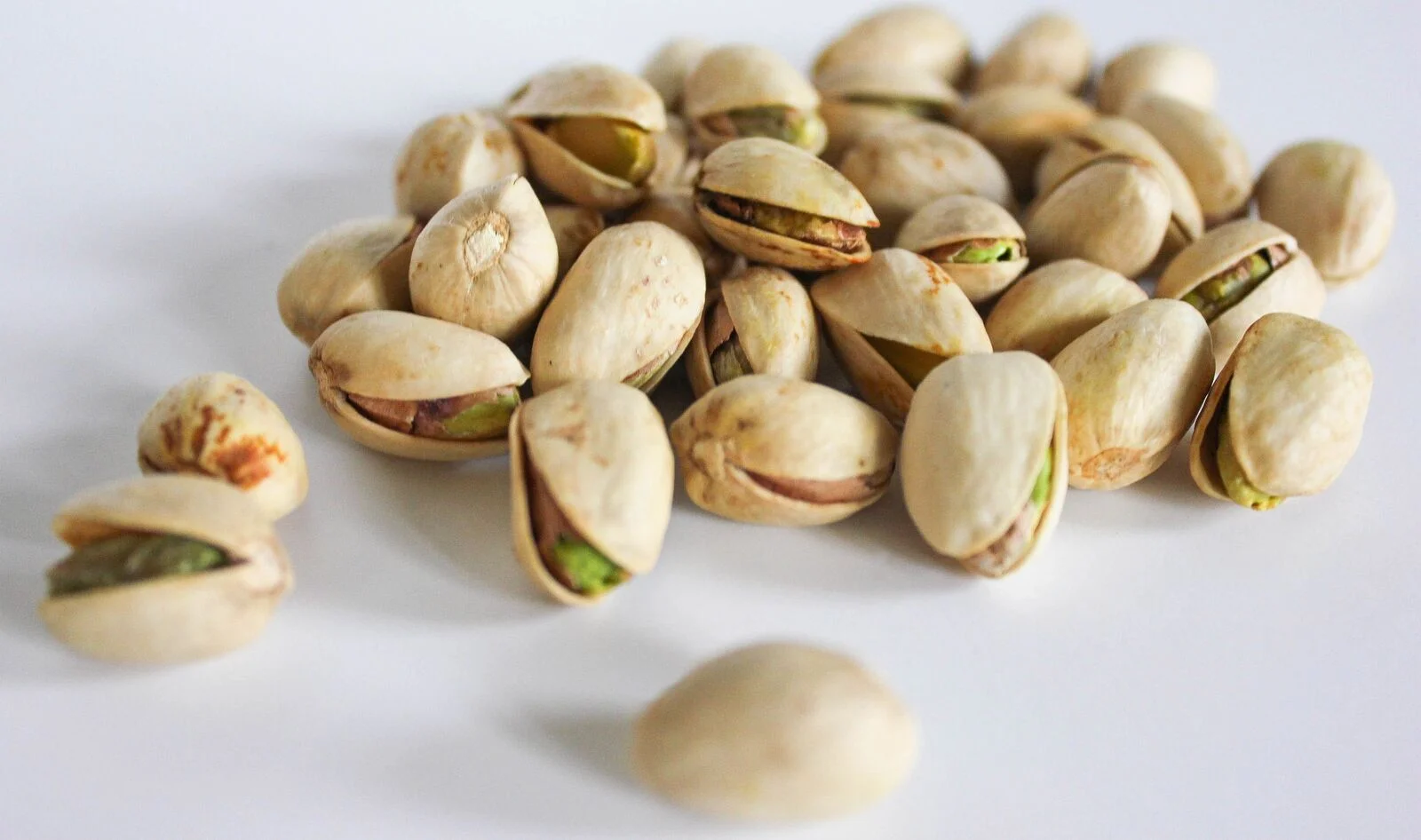
For people in their 40s and 50s, Gish recommends cruciferous vegetables, whole grains, nuts, and seeds. Broccoli, kale, and Brussels sprouts contain sulforaphane, a compound studied for its potential to limit oxidative damage and support immune function. Research in the Journal of Nutritional Biochemistry has examined sulforaphane’s role in reducing oxidative damage, which is linked to aging.
 Marisa Morton | Unsplash
Whole grains such as quinoa and barley provide complex carbohydrates and fiber. Fiber also supports the gut microbiome, which is connected to immune and metabolic health. Research published in Nutrients has explored that relationship, though it doesn’t establish that whole grains can prevent age-related changes.
Flaxseeds and walnuts supply omega-3 fatty acids. Gish sees them as one way to address inflammation and support heart and brain health.
“These fatty acids are critical in combating the chronic inflammation that drives age-related diseases,” Gish says.
That advice centers on foods people can add to regular meals. It’s a dietary pattern to consider alongside physical activity and cognitive engagement, which the source identifies as relevant to how people age.
Food choices for kidney and blood sugar health
By the 60s, kidney function and carbohydrate metabolism may become particular concerns. Gish favors plant proteins such as lentils and chickpeas, which he describes as alternatives to animal protein that may be easier on the kidneys. Research in the Journal of Renal Nutrition has linked plant-based diets with a lower risk of chronic kidney disease progression.
 Rdne | Pexels
Changes in insulin sensitivity can also make blood sugar management more difficult. Sweet potatoes, oats, and non-starchy vegetables are among the lower-glycemic choices Gish recommends.
“Managing carbohydrates through low-glycemic plant-based options is key in this age group, as it can prevent dangerous blood sugar spikes,” Gish says.
Blueberries and cranberries offer another option. Gish points to their antioxidant and anti-inflammatory properties as potential support for kidney health; research in Phytotherapy Research has also examined these effects.
Protein and soluble fiber as priorities with age
Muscle loss, known as sarcopenia, is another concern as people enter their 60s. Tofu, tempeh, and legumes can contribute protein for maintaining muscle mass. Gish cites a 2021 study in the Journal of Cachexia, Sarcopenia and Muscle that found adequate protein from plant sources can help older adults retain muscle.
 Adobe
Heart health deserves attention at the same time, as cardiovascular risk rises with age. Oats, beans, and lentils provide soluble fiber, which research suggests can help lower LDL cholesterol. Avocados and nuts add unsaturated fats to the diet.
“Soluble fiber has been shown to lower LDL cholesterol, making it a key component of a heart-healthy plant-based diet,” Gish says.
The Stanford findings offer a snapshot of when some biological changes may cluster, not a prescription for stopping them. A practical takeaway is to build meals around vegetables, whole grains, legumes, nuts, and seeds, while keeping protein intake and regular activity in view as health needs change with age.


Discussion
Sign in to join the discussion.