Evidence from dental plaque, fossilized feces and archaeological finds shows early humans relied on plants alongside animal foods.
“Caveman” eating was more varied than the label suggests
The case for eating like a “caveman” gets shaky when the diet means meat alone. Evidence from Neanderthal remains and early human lifestyles points to a broader menu: animal foods mattered, but so did plants gathered from the surrounding environment. The archaeological record doesn’t support a simple story in which our ancestors ate one kind of food and thrived because of it.
That distinction matters as carnivore, caveman and lion diets gain attention on social media. Their advocates often connect meat-heavy eating to human ancestry, but the phrase “ancestral diet” can make a complicated history sound like a prescription. While ultra-processed foods can be poor choices for health, that doesn’t mean our ancestors lived on meat—or that a meat-only diet recreates their way of eating. The past offers context, not a ready-made meal plan.
What the evidence says about Neanderthal meals
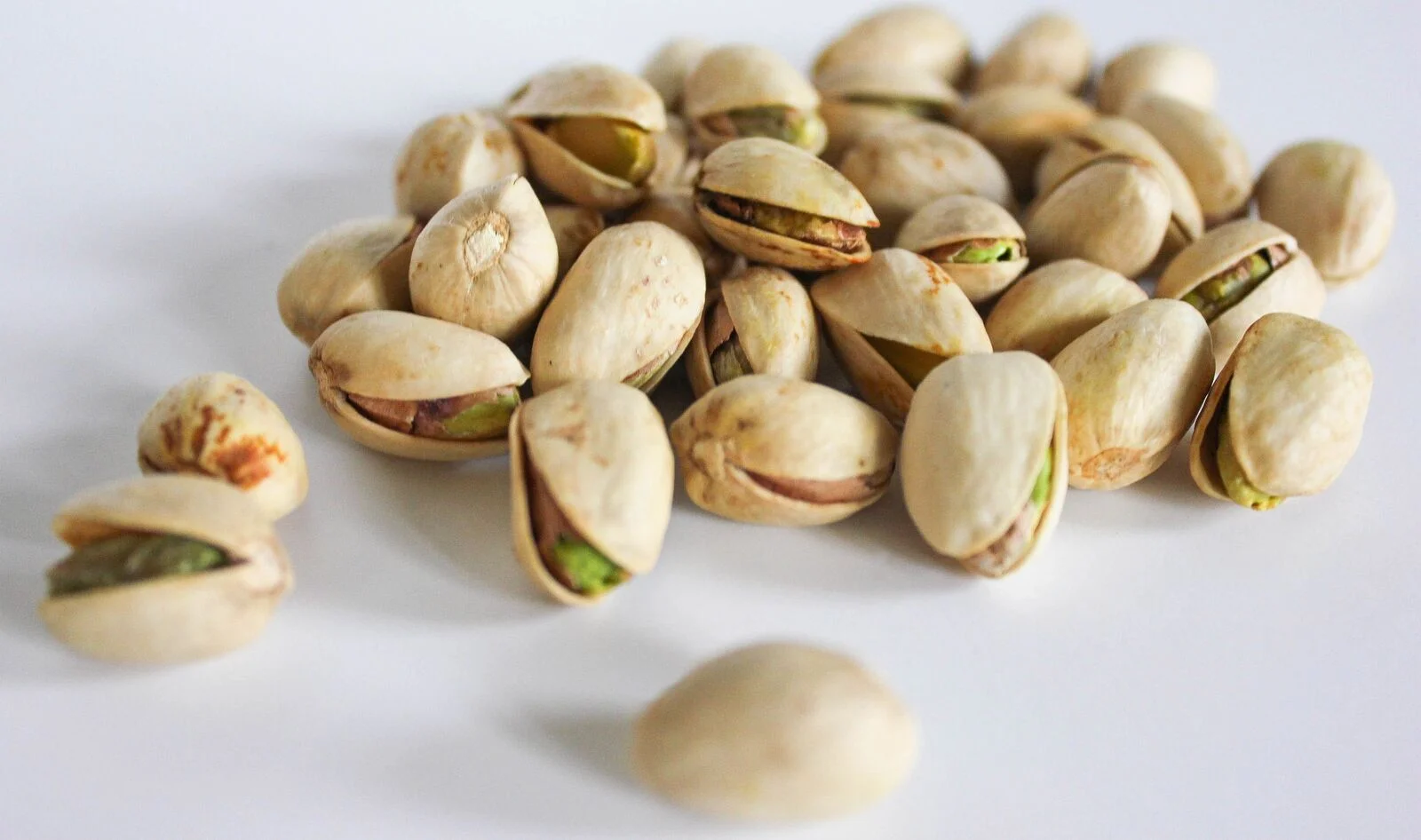
Neanderthals hunted animals and ate meat, fat and bones. But research also links their diets to maggots, pistachios, wild peas, acorns, tubers, olives, chamomile and lentils. That list points to a food strategy shaped by what was available, rather than a strict rule about which food groups belonged on the menu. Hervé Bocherens, who leads the biology research group at the University of Tübingen in Germany, told Live Science that Neanderthals were unlikely to have been hyper-carnivores.
“They could not [survive only on meat] if they had a similar physiology as modern humans, which is likely,” Bocherens said. “There is a need for dietary sources of energy.”
Clues come from what ancient people left behind. Plant residues have been found in Neanderthal dental plaque and fossilized feces, evidence that plants were part of what they ate rather than merely part of the environment around them. Such traces don’t provide a complete menu or tell us how often each food appeared, but they do make a meat-only account harder to defend. The record is fragmentary; the presence of plant material still matters.
Their reliance on hunting also made a varied diet practical: a hunt could fail, while nuts, tubers and other foods offered alternatives. Depending on a single source of food would have left people exposed to the uncertainty of finding and capturing prey. A broader menu could help fill that gap, even if the available foods changed with place and circumstance.
“We have this idea of cavemen—and it usually is men—eating a very high meat diet and not relying on anything else,” Emma Pomeroy, MA, PhD, of the University of Cambridge, told BBC Science Focus. “For most humans, that wasn’t the case.”
That image can also flatten the work and knowledge behind gathering food. Finding edible plants requires recognizing what’s available and making use of it. The evidence presented here doesn’t establish a single standard Neanderthal diet; it does show why the familiar picture of meat as the whole story is too neat.
Early humans had to adapt, too
Early Homo sapiens faced similar limits. Research suggests they weren’t consistently skilled hunters capable of living on meat. They often scavenged carcasses left by other predators and added fruits, seeds and tubers to their meals. This combination points to flexibility: people could eat animal foods when they were available and turn to other sources as well.
That history complicates modern arguments that high-meat eating is simply a return to how humans evolved. “What our ancestors ate” covers many environments and circumstances, not one fixed menu that can be lifted out of the past. If you’re working in this space, the useful question isn’t whether humans ate meat; they did. It’s whether that fact supports excluding every plant food, and the evidence described here doesn’t make that case.
Why the modern comparison has limits
Today’s strict carnivore diets exclude plant foods, removing sources of phytonutrients. Dietitian Angel Luk told VegNews that these compounds, found in plants, help protect against cancer and chronic diseases. Nutrient deficiencies are another concern associated with meat-only eating. Those points don’t establish that every person following such a diet will have the same outcome, but they do make it difficult to treat the approach as an obvious health upgrade.
The distinction between eating more meat and eating meat alone matters. A diet can include animal foods without reproducing the restrictions of a carnivore plan. The archaeological evidence speaks to what people consumed in particular conditions; it can’t, by itself, settle the effects of a modern diet on an individual. Here's the thing: ancestry is an appealing argument, but it isn’t a substitute for evidence about health.
Some prominent advocates have shifted their own diets. The Liver King now eats plant foods, while Paul Saladino, MD, author of The Carnivore Code, stopped following the diet after experiencing symptoms including heart palpitations. Those examples don’t prove what will happen to everyone who tries a carnivore diet. They do show that public advocacy and personal practice can change, and that the diet’s claims deserve scrutiny.
“For now, it’s safe to say there are far more potential risks for harm than there is potential for health improvement,” Luk said of carnivore diets. The archaeological record offers a useful check on modern claims: humans ate meat, but they also adapted to whatever else they could find. This is more significant than it looks. A past defined by flexibility is a weak foundation for a modern diet built around rigid exclusion.
For readers weighing the ancestry argument, the evidence points to a modest conclusion: meat belonged in early human diets, but it wasn’t the only food. And that’s the part many modern versions of the caveman story leave out.



Discussion
Sign in to join the discussion.