From faux suede slip-ons to waterproof insulated boots, these seven vegan options bring Ugg-style warmth with different materials and weather protection.
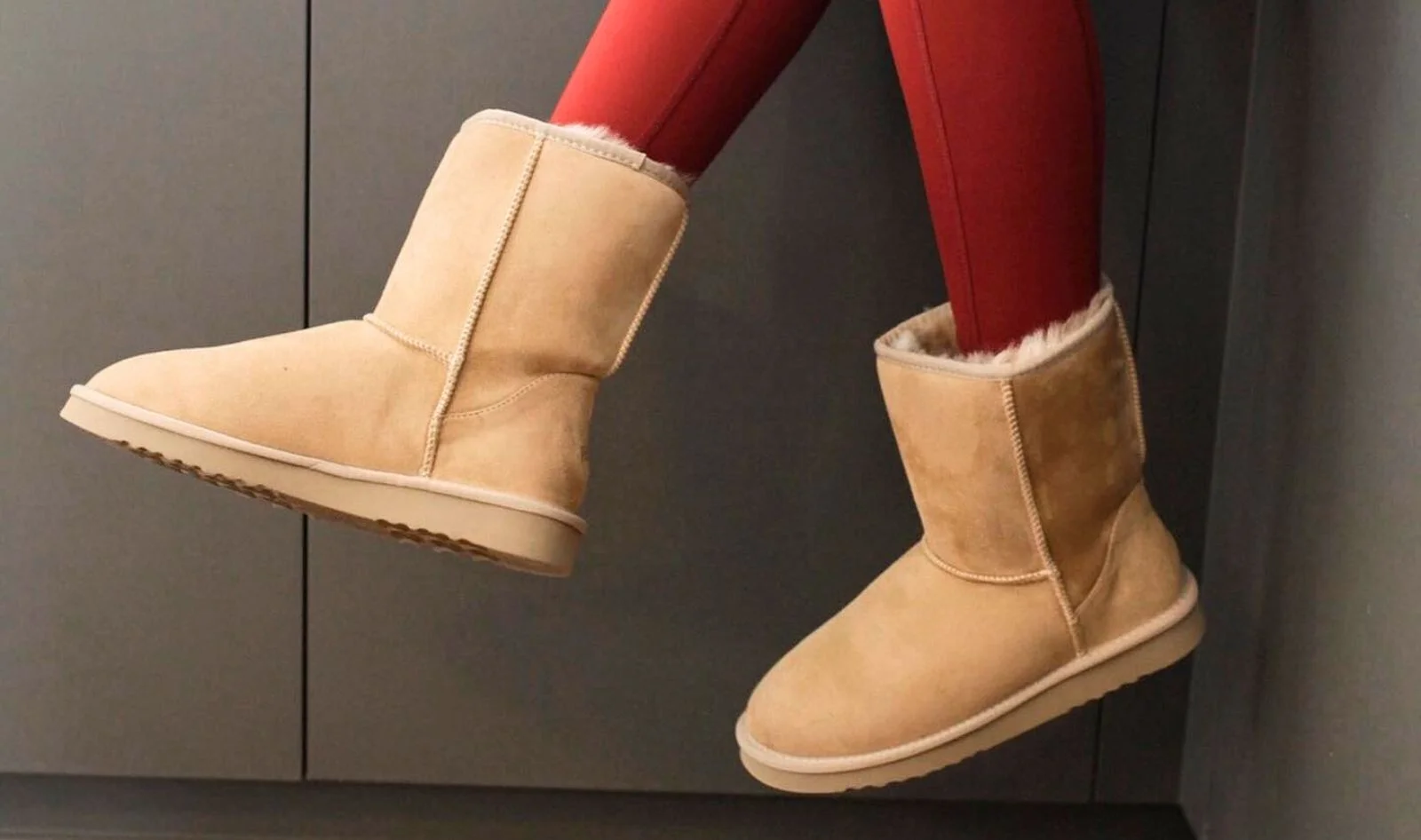
The appeal of Ugg-style boots is simple: soft, warm comfort in a casual silhouette. Finding that look without animal-derived materials takes a little more comparison, though, because “vegan” can describe boots with very different fabrics, soles and weather limits. Ugg’s 2024 collaboration with Collina Strada brought vegan boots to the brand, but they’re no longer listed on its website, and the classic styles use animal-based materials. These seven alternatives span faux suede minis, recycled materials and boots built for wet winter weather.
PAWJ: faux suede styles from an animal-loving founder
California-based, family-run PAWJ was founded by Julee Merrill to make footwear without harming animals. Its range includes Ugg-inspired options such as the Tan Mini Boots, alongside slippers, Polar Fleece Boots and Arctic Fleece Shoes. That gives shoppers a choice of silhouettes beyond the familiar ankle boot, which matters if you want the soft, relaxed look in a lower-profile shoe or indoor style. The product descriptions are the place to check details such as lining and care guidance before buying, since a similar shape doesn’t by itself tell you how a boot will handle damp conditions.
BearPaw: familiar comfort in faux suede
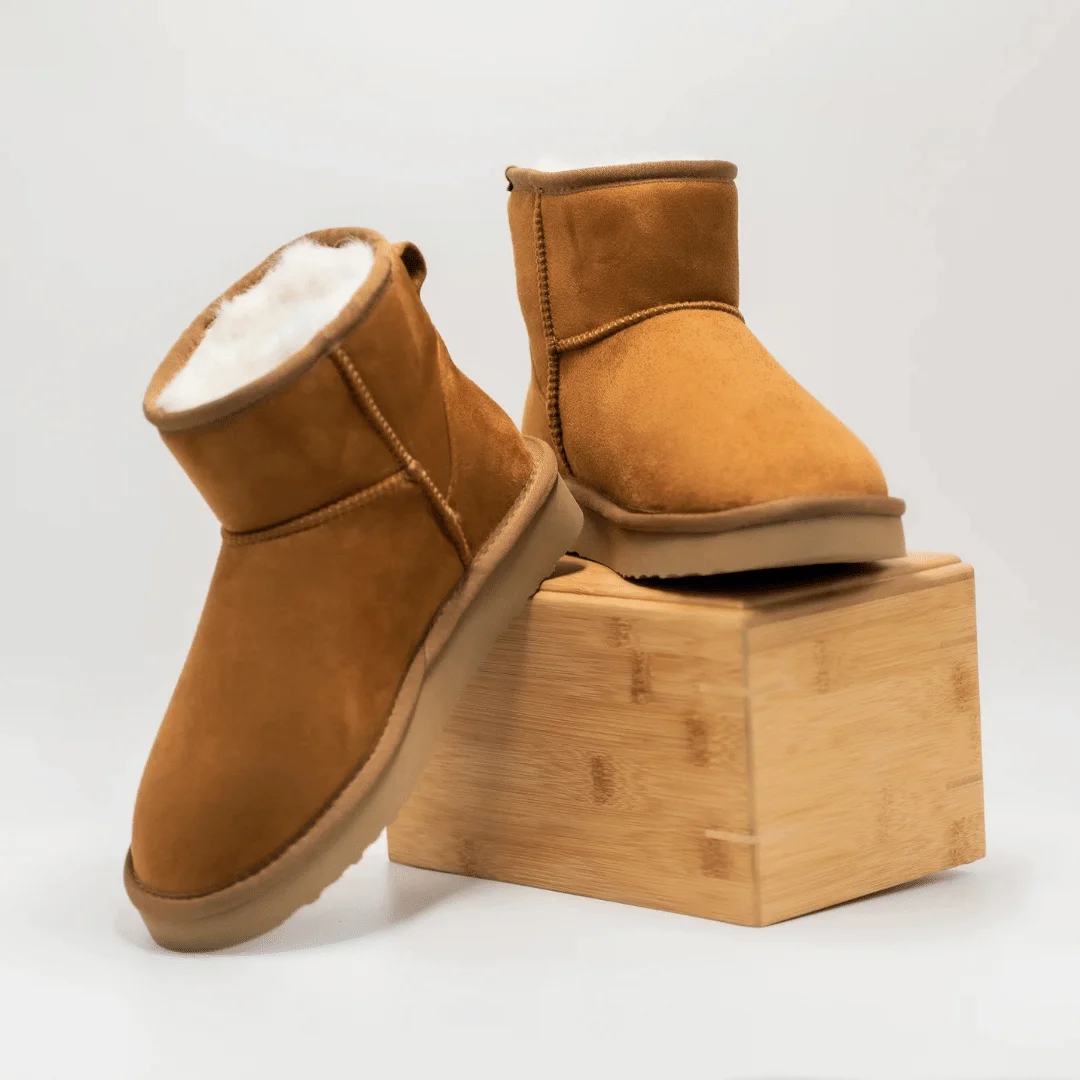
BearPaw has made boots for men and women for two decades. Founder Tom Romeo named the California footwear company after an encounter with a bear near Lake Tahoe in 2001; the brand’s signature Elle boots followed. While the original Elle wasn’t vegan, BearPaw now sells several vegan styles in faux suede, with multiple colors and designs. That history makes the label an accessible starting point for shoppers who already know the conventional Ugg-style shape, but the distinction between the original boot and the vegan range is worth keeping clear. Check the specific style’s materials rather than assuming the whole catalog follows one standard.
New Orchard: broad choice with recycled materials
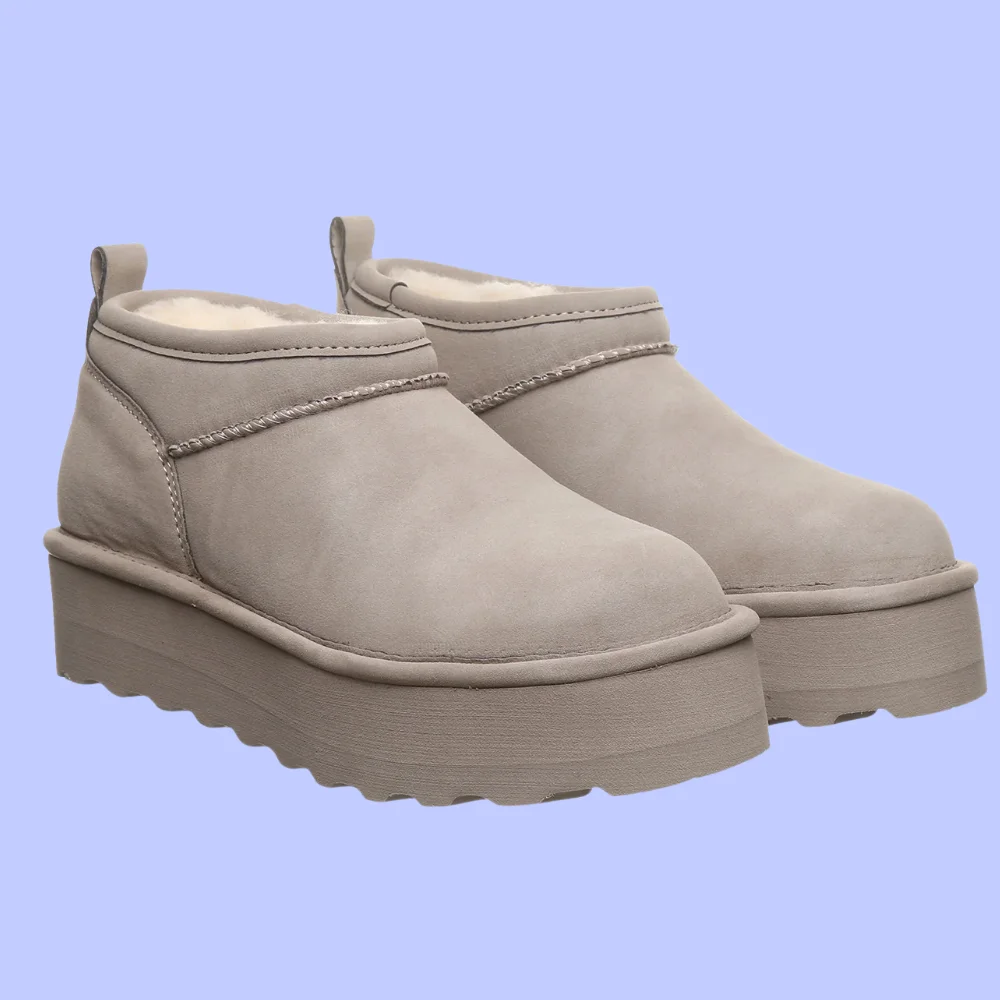
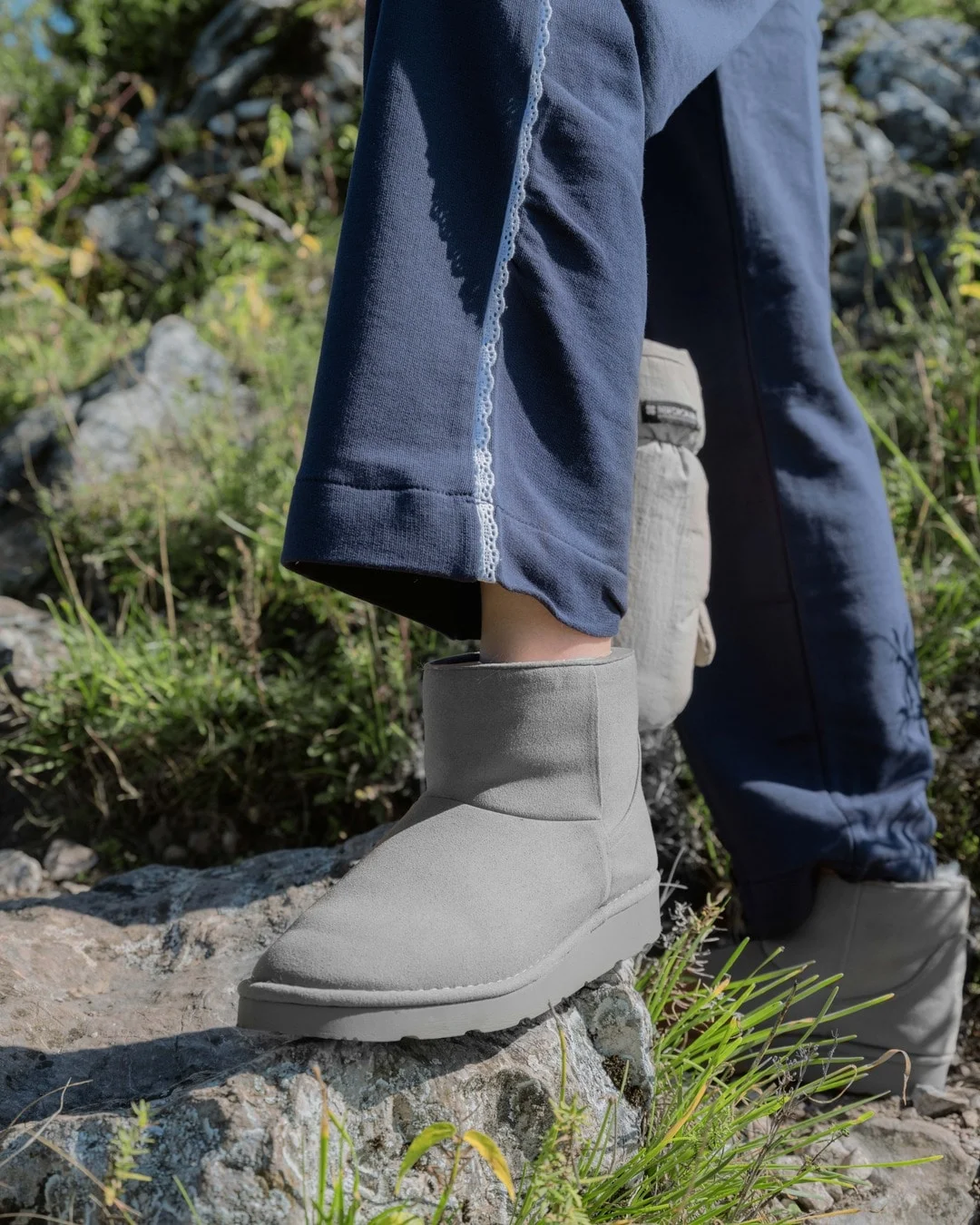
Swiss vegan footwear brand New Orchard offers Ugg-like boots in short, mid-height and tall cuts, plus slippers. Its range stands out for material choices: the boots use recycled microfibers, and the insoles are made from banana waste. That combination adds a materials story to a familiar winter shape, while the range of heights gives shoppers more room to match coverage and styling preferences. Recycled content and plant-derived waste in an insole don’t answer every question about durability or warmth, however; those depend on the construction of the particular boot and how it’s used.
 New Orchard
Zette Shoes: microfiber Willow boots
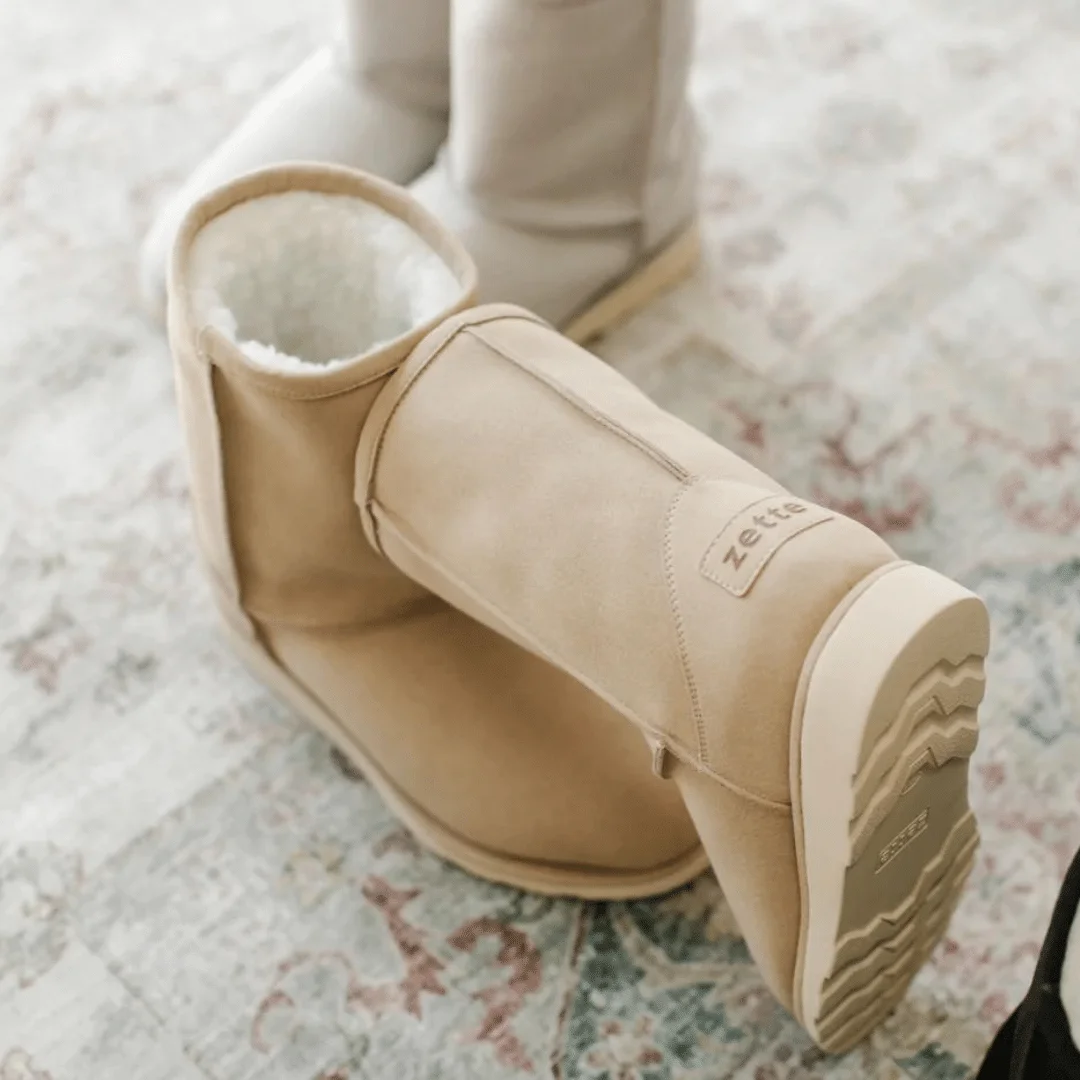
Melbourne-based Zette Shoes was created in 2014 by Vegan Style, an online retailer and boutique. Its Willow boots are fully vegan and made with microfiber. Zette says its footwear is produced by workers treated well and paid fairly; the microfiber is tested and certified by OEKO-TEX, a textile safety label that checks for harmful substances. The certification speaks to the textile’s safety testing, while the company’s labor statement is its own claim, so shoppers weighing both materials and production practices should keep those forms of information distinct. The microfiber construction also places Willow among the lighter-looking alternatives to traditional suede.
 Zette
Vegetarian Shoes: a renewable sole, with a weather caveat
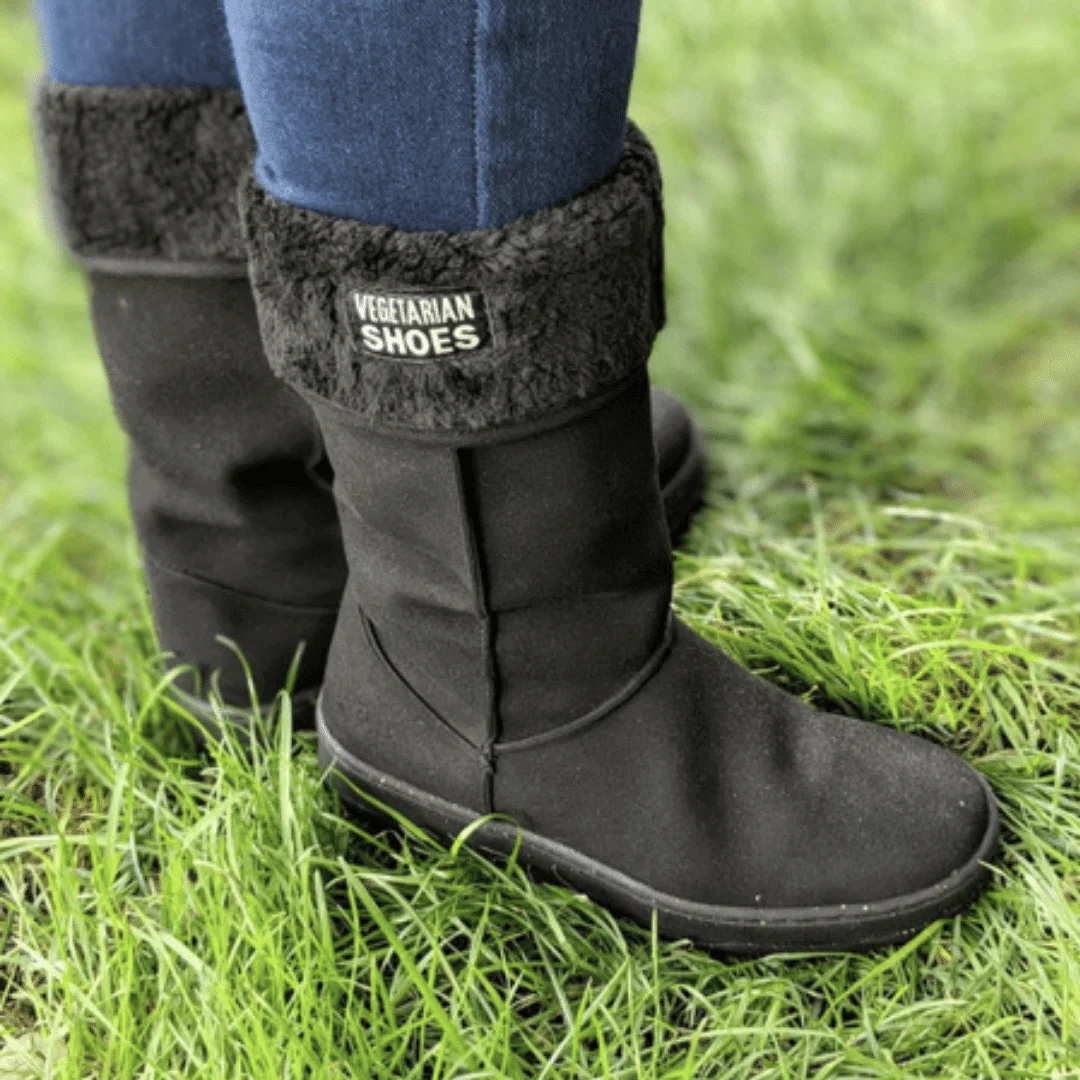
Founded in Brighton, England, in the 1990s, Vegetarian Shoes helped establish ethical footwear as a category and now ships internationally. Its Snugge Boots pair rubber and cork soles with Vegetan Fake Suede, designed to look much like animal suede. The trade-off is practical: the material isn’t waterproof, so these are better suited to dry cold than rainy commutes. That limitation may be easy to overlook in a product photo, where the plush upper suggests winter readiness; in daily use, exposure to wet pavement can matter more than how closely the boot resembles its inspiration. For dry-weather wear, though, the listed materials offer a distinct alternative.
 Vegetarian Shoes
Call It Spring: waterproof warmth for freezing days
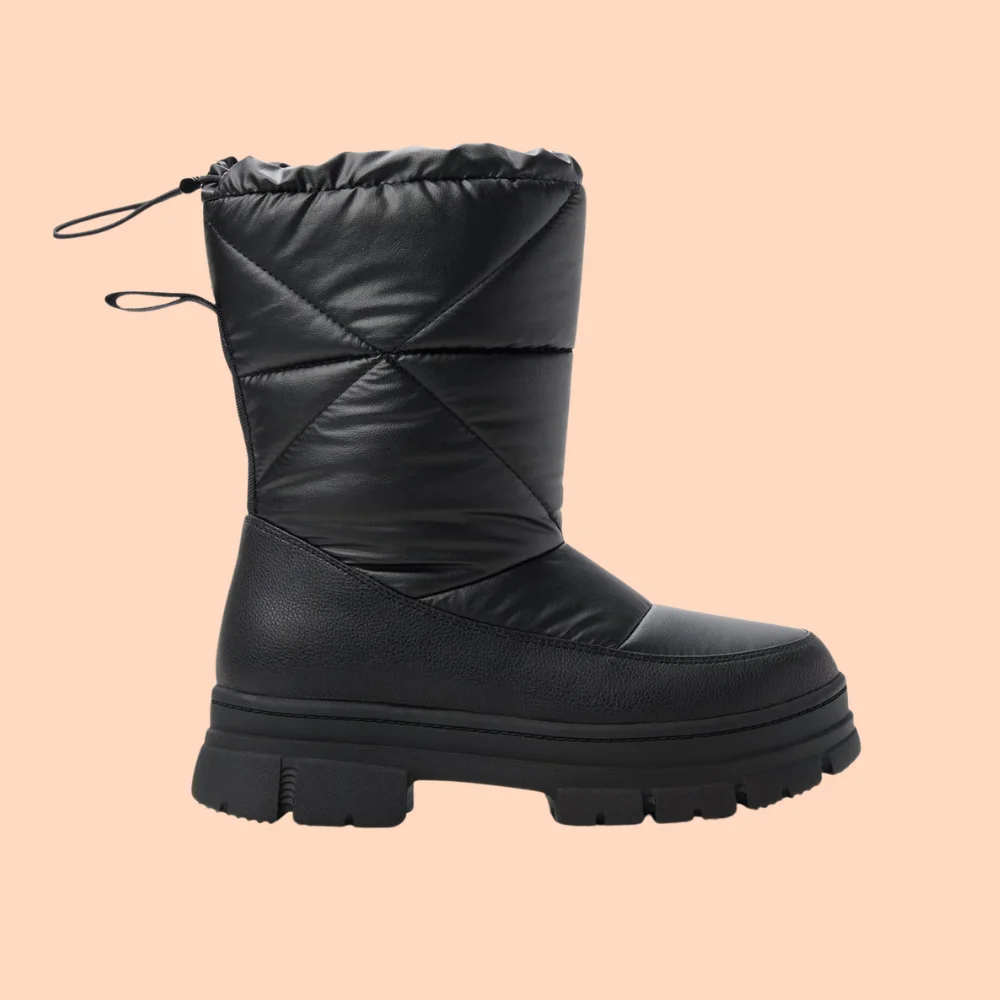
Call It Spring’s catalog is 100 percent vegan and approved by PETA. The Vortex is its closest match to the Ugg silhouette, with a two-inch platform and a more weather-ready design: the boots are waterproof and rated to keep feet warm at temperatures as low as -4 degrees Fahrenheit. That makes the model a more practical candidate for cold, wet conditions than a fashion-first faux suede boot, though the platform and added protection give it a different feel from the classic low-key shape. If you're choosing for a particular winter routine, the stated temperature rating and waterproof construction are more useful checks than appearance alone. This is more significant than it looks: weather protection can determine whether a cozy boot becomes a regular outdoor shoe or stays a fair-weather option.
Will’s Vegan Store: insulated boots for rough weather
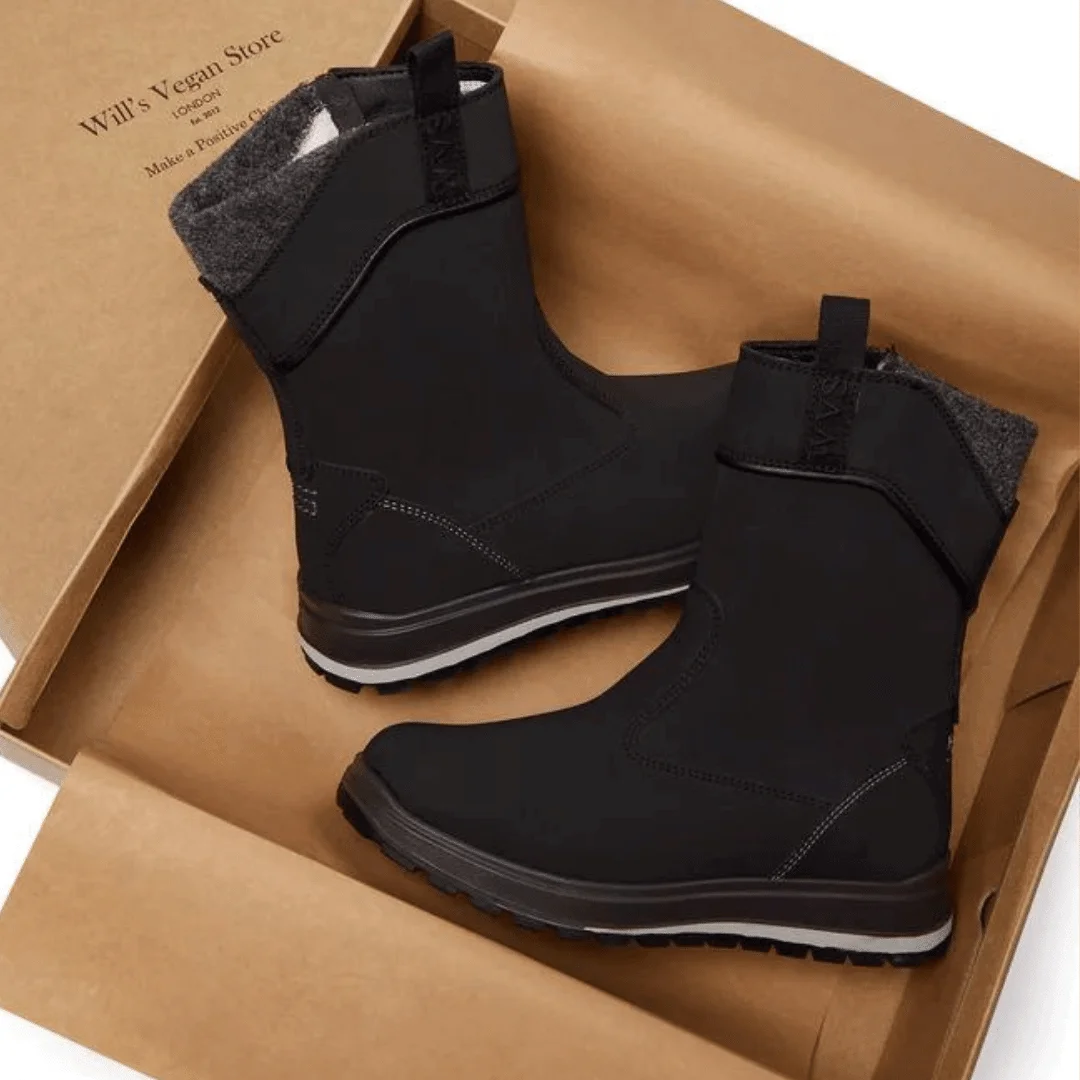
Will’s Vegan Store began making animal-free footwear in 2013 and has since earned carbon-neutral certification. Its WVSport Insulated Country Boots are designed for repeated seasonal wear and offer more protection than a standard cozy boot, with insulation and waterproofing for conditions such as rain and snow. That shifts the priority from mimicking a soft indoor slipper to keeping feet covered through outdoor use. The country-boot design may not deliver the same compact, familiar profile as a mini boot, but that’s a reasonable exchange for shoppers who need a dedicated winter option. And this is the part most people overlook: “vegan” tells you about animal-derived materials, not whether the boot suits your climate or how often you’ll wear it.
 Will's Vegan Store
Choosing by weather, materials and use
For dry-weather comfort, faux suede options keep closest to the classic look. If winter means rain, snow or subzero temperatures where you live, Call It Spring and Will’s Vegan Store put weather protection ahead of the traditional slipper-like feel. That distinction is more useful than treating these seven boots as interchangeable: a recycled microfiber upper, a cork sole and waterproof insulation solve different shopping priorities. The numbers here are underwhelming as a guide on their own; a temperature rating or a vegan label can’t describe comfort, fit or long-term wear for every person.
What this means for you is straightforward: start with where and how you’ll wear the boots, then compare the materials and stated weather features of the exact model. If you want the classic look for dry days, there are several close matches. For wet commutes or snow, function has to carry more weight. Aesthetics still matter. So does the forecast.


Discussion
Sign in to join the discussion.