More than 1,300 cases of Miyoko’s salted plant butter were recalled over possible yeast, mold and E. coli contamination.
What shoppers need to know
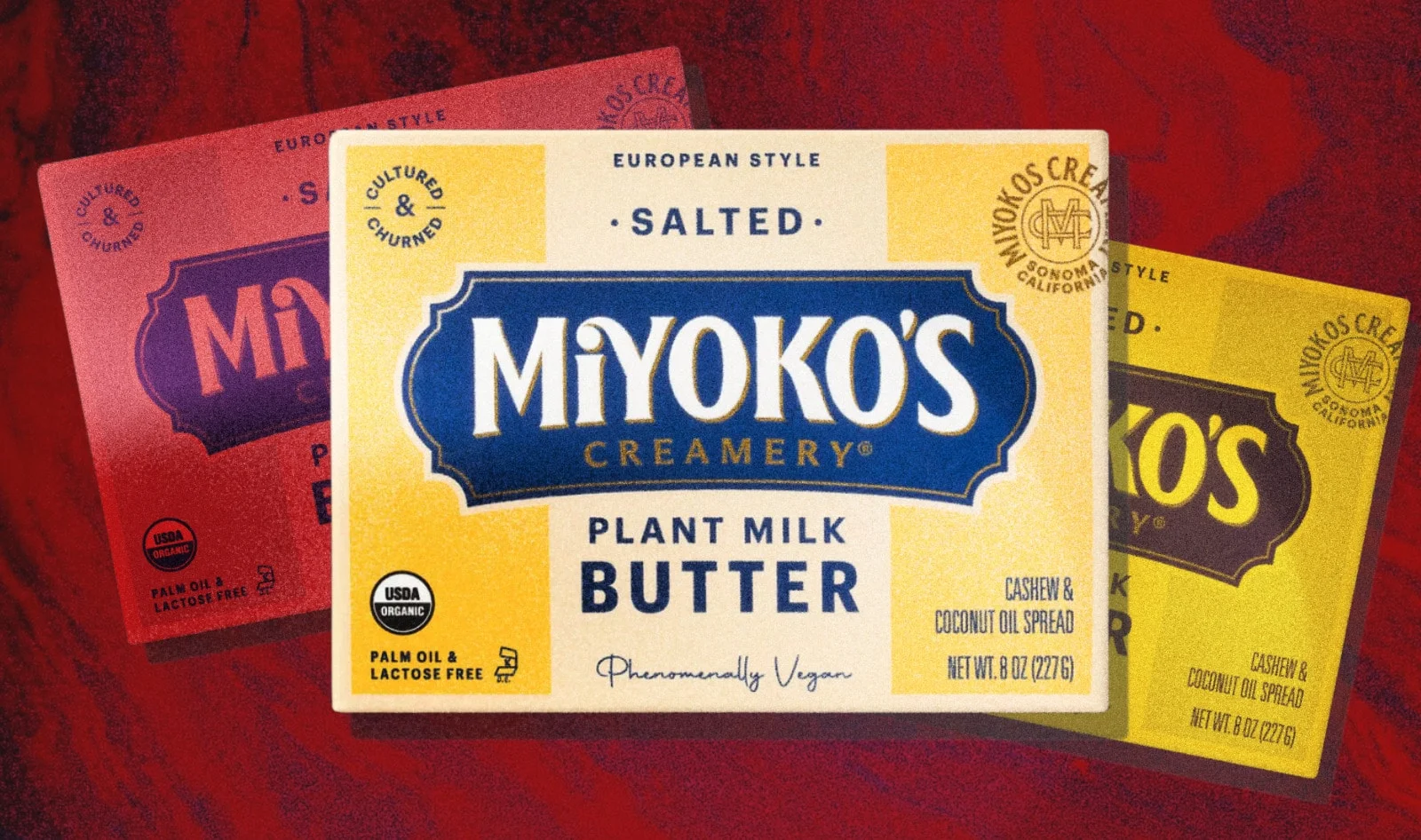
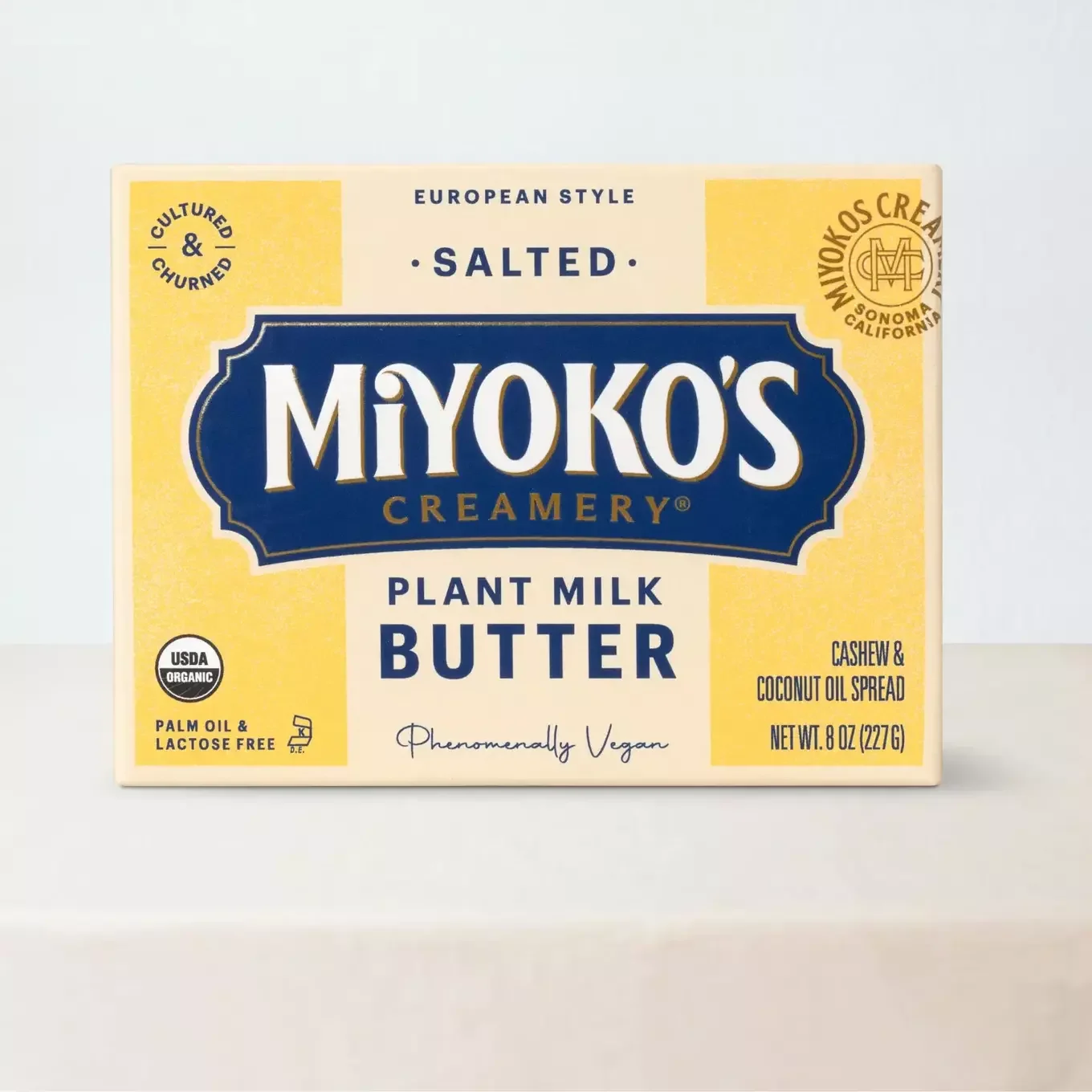
A recall covering more than 1,300 cases of Miyoko’s Creamery European Style Salted Plant Milk Butter spans 10 states. The FDA says the product may be contaminated by yeast, mold and E. coli, a combination that makes the recall more than a matter of taste or product quality. Shoppers can identify the affected butter by its UPC, 857554005773, carton lot code 07871 and best-by date of November 5, 2026. Those details matter: a brand name alone may not tell customers whether a carton they have at home is part of the recall.
Prosperity Organic Foods initiated the recall on September 11, 2026, and the FDA classified it as Class II on October 23. The agency uses that category for products that may cause temporary or medically reversible health effects, while considering serious consequences unlikely. Class I, by comparison, applies when there’s a reasonable probability that a product could cause serious harm or death. The Class II designation describes the FDA’s assessment of the recall’s potential severity; it doesn’t establish that every affected carton is contaminated or that every exposure would lead to illness.
The affected butter was distributed in Connecticut, Florida, Georgia, Illinois, Indiana, Iowa, Maryland, New Hampshire, New Jersey and Wisconsin. If you’re shopping in one of those states, check the carton rather than relying on memory of where you bought it: products can remain in home refrigerators after a shopping trip, and packaging details are the most useful way to match a carton to the recall. Customers who don’t have the carton may find it harder to verify the lot code, so the store’s recall information can help clarify what to do.
 Miyoko's Creamery
What the recall classification tells you
A Class II classification can sound reassuring because the FDA says serious consequences are considered unlikely. But it shouldn’t be read as a finding that the product is safe to eat, or as a guarantee that no one could become seriously ill. The classification gives shoppers a broad picture of the agency’s assessment; the product identifiers tell them whether the specific butter in their possession is affected.
Yeast and mold can affect food in ways that are visible, detectable by smell or not obvious to a consumer. E. coli presents a different concern because the presence of a harmful strain can’t be ruled out by appearance alone. The FDA’s statement identifies possible contamination, not confirmed contamination in each case, so shoppers shouldn’t try to determine safety by opening or tasting a carton.
The article’s reported health context also calls for care in how the risk is described. E. coli infections can be mild, while some can lead to serious complications, including hemolytic uremic syndrome or sepsis. No illnesses had been confirmed in connection with the butter at the time of writing. That’s a useful status update, but it doesn’t answer whether any individual carton is affected.
Recall comes amid ownership changes and broader scrutiny
The recall follows a turbulent period for Miyoko’s Creamery. Prosperity Organic Foods acquired the company in late 2025 after a dispute over ownership involving founder Miyoko Schinner. Those events provide context for the brand, but the recall notice itself concerns a specific product, lot code and best-by date. Readers shouldn’t infer from the ownership changes alone what caused the possible contamination or how the company’s internal processes operated.
The brand’s recall also arrives amid a recent rise in food recalls, which may partly reflect stronger monitoring. A higher number of public recalls can indicate more potential problems being found, but it can also reflect better detection and reporting. The count by itself doesn’t show which explanation matters most in a particular case. Here, the relevant fact is that a potential issue was identified and a recall was initiated.
“Recalls are a normal part of a food-safety system that is actively looking for problems,” Wade Syers, a food safety specialist with Michigan State University Extension, told MSU Today. He said companies often initiate recalls voluntarily when testing flags a potential problem, before illness becomes widespread. That distinction matters: a recall can be a response to a test result even when public health authorities haven’t confirmed illnesses tied to the product.
“What people often don’t see is that many recalls are initiated voluntarily by companies after testing identifies a potential issue before widespread illness occurs.”
Syers added that contamination that might once have gone unnoticed can now be identified and investigated more quickly. That’s a general point about monitoring, not an explanation of how this particular butter was tested or what prompted the recall. The available information doesn’t specify the source of the possible contamination, the testing process, or whether the issue affected production beyond the identified lot.
What shoppers should do next
New Seasons Market advises customers who bought the affected butter not to eat it and to contact the store about a refund. That gives customers a direct next step, though the article doesn’t specify the store’s refund process or whether other retailers have issued separate instructions. Shoppers should use the recall’s identifiers when checking their carton and follow the retailer’s guidance about returning or disposing of the product.
Here’s the thing: the lot code and best-by date are more useful than the product name on its own. The UPC identifies the product, while the lot code and date help narrow down which cartons are affected. Keep those details in view when comparing a package with the recall notice. If the carton matches, don’t eat it.
The recall’s reach makes checking the lot code and best-by date the practical next step for shoppers in the listed states. And this is the part most people overlook: a recall notice can identify a risk without confirming illness, while the absence of confirmed illnesses doesn’t make a matching product safe to consume. That’s the distinction shoppers need to hold onto.
For food companies, the episode also illustrates why recall communication needs precise identifiers and clear consumer instructions. A notice that names the product, lot code, date and affected states gives people concrete information to act on; broad statements about a brand or category would be less useful. The available details establish the scope of this recall, but they don’t settle questions about its cause or whether further action will follow.
For now, customers have a defined task: check the packaging, avoid eating any matching butter, and contact the store about a refund. No confirmed illnesses had been reported at the time of writing, and the FDA’s Class II classification indicates that serious consequences are considered unlikely. Still, the agency’s notice exists because a potential contamination issue was identified. A careful package check is warranted.

Discussion
Sign in to join the discussion.