Miyoko Schinner says she has had no role in the creamery for more than four years and asks it to stop using her name after a butter recall.
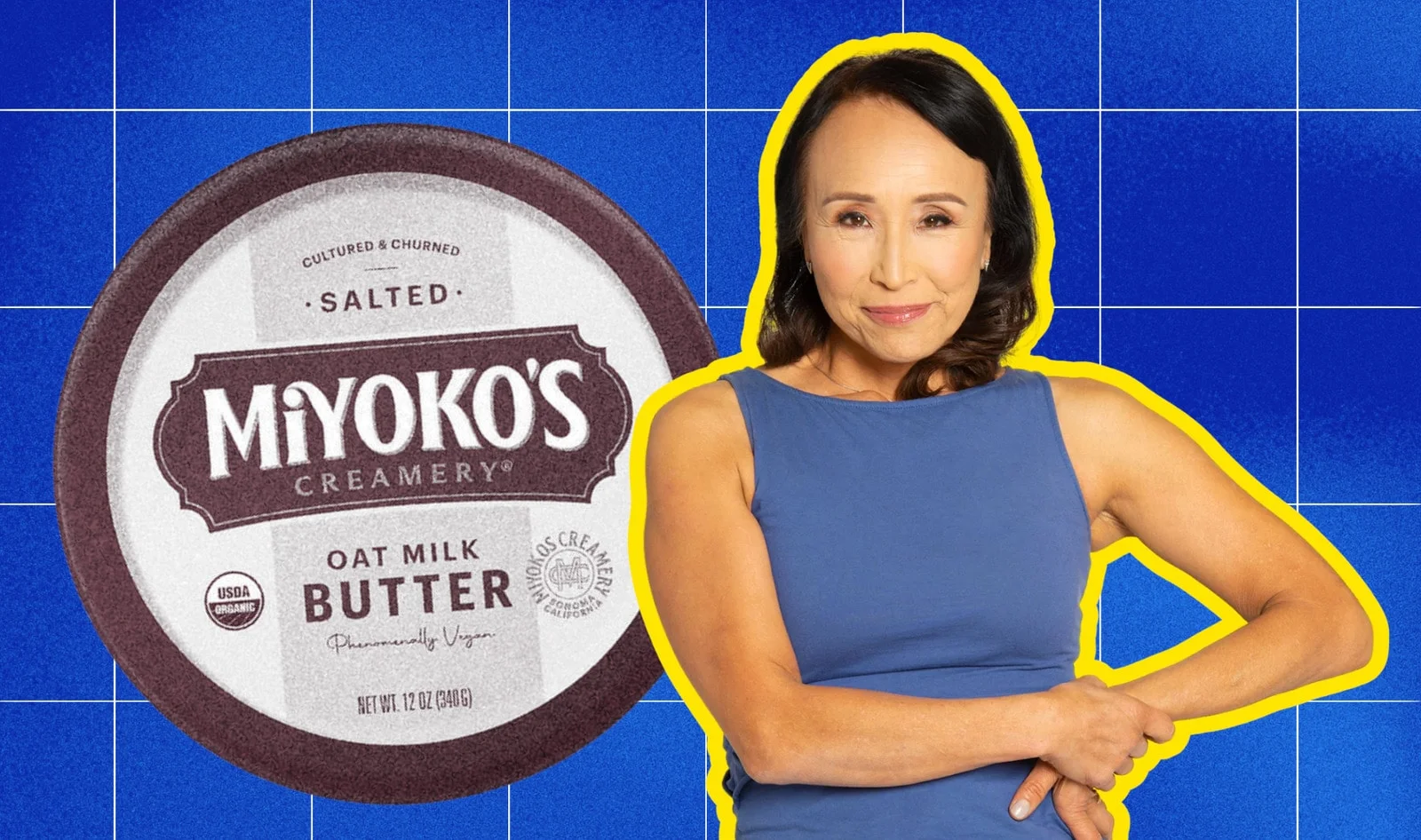
A recall brings the founder back into view
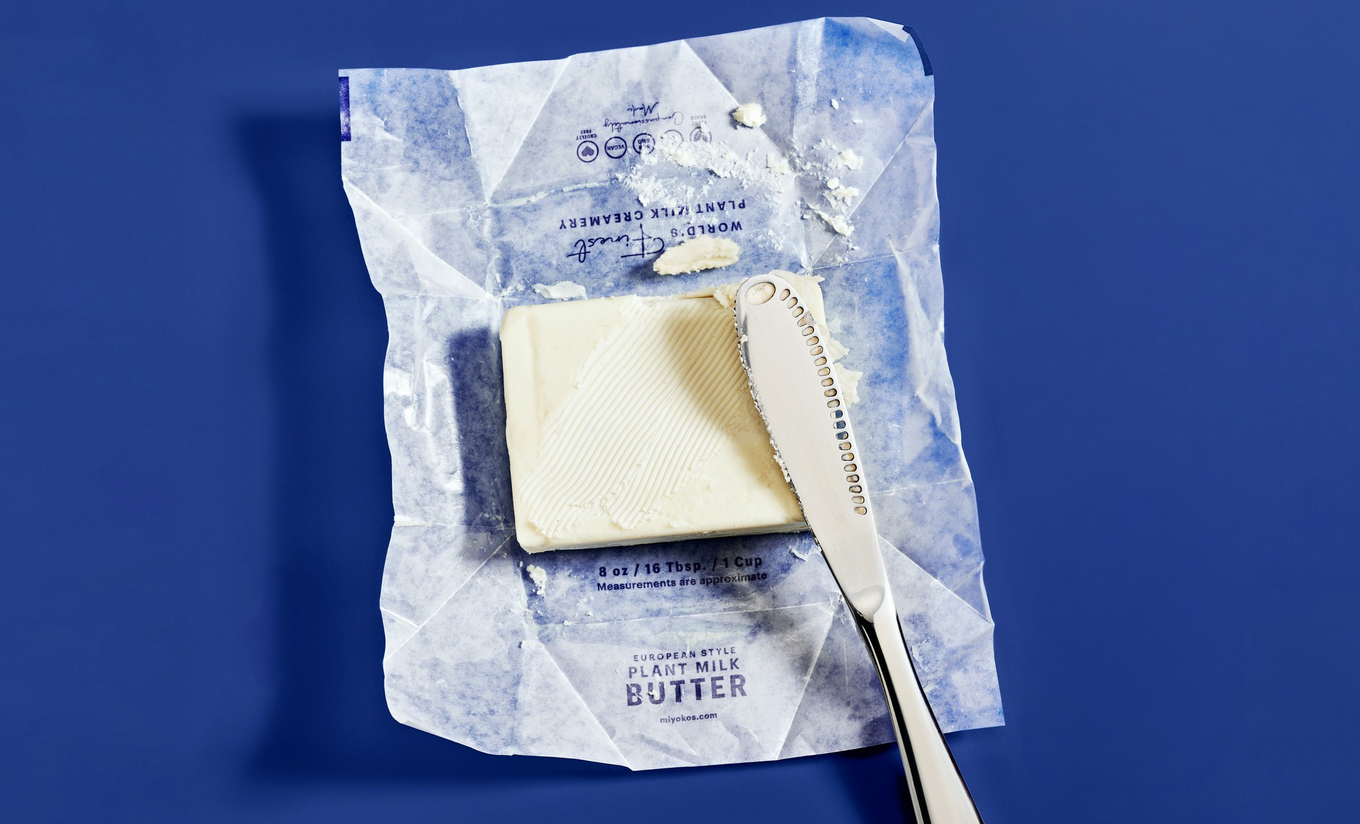
The recall of Miyoko’s Creamery’s European Style Salted Plant Milk Butter has put the brand’s founder back in the spotlight for a reason she says has nothing to do with her: Miyoko Schinner says she hasn’t been involved with the company for more than four years and wants it to stop using her name. That gap between a founder’s public identity and a company’s current ownership is now central to the story. Customers may still associate the name on the package with Schinner, even though she says she has no role in the business.
In an Instagram video posted today, Schinner addressed the company directly. “I want people to know that I have nothing to do with what's going on right now with your tainted products,” she said, asking the creamery to change its name. Her remarks make the recall personal as well as operational: the product issue has renewed attention on a brand that still carries her name, while she says responsibility for its current products rests elsewhere.
She also responded to VegNews’ Instagram coverage of the recall, saying food safety procedures were strict during her tenure. “All products were held in the warehouse until fully tested for everything. Nothing was released before then,” she wrote. Schinner added that she didn’t know how current owner Prosperity Organic Foods was handling production and said the recall was “hurting my name.” That’s her account of the company’s earlier practices, not an independent assessment of how production is handled today.
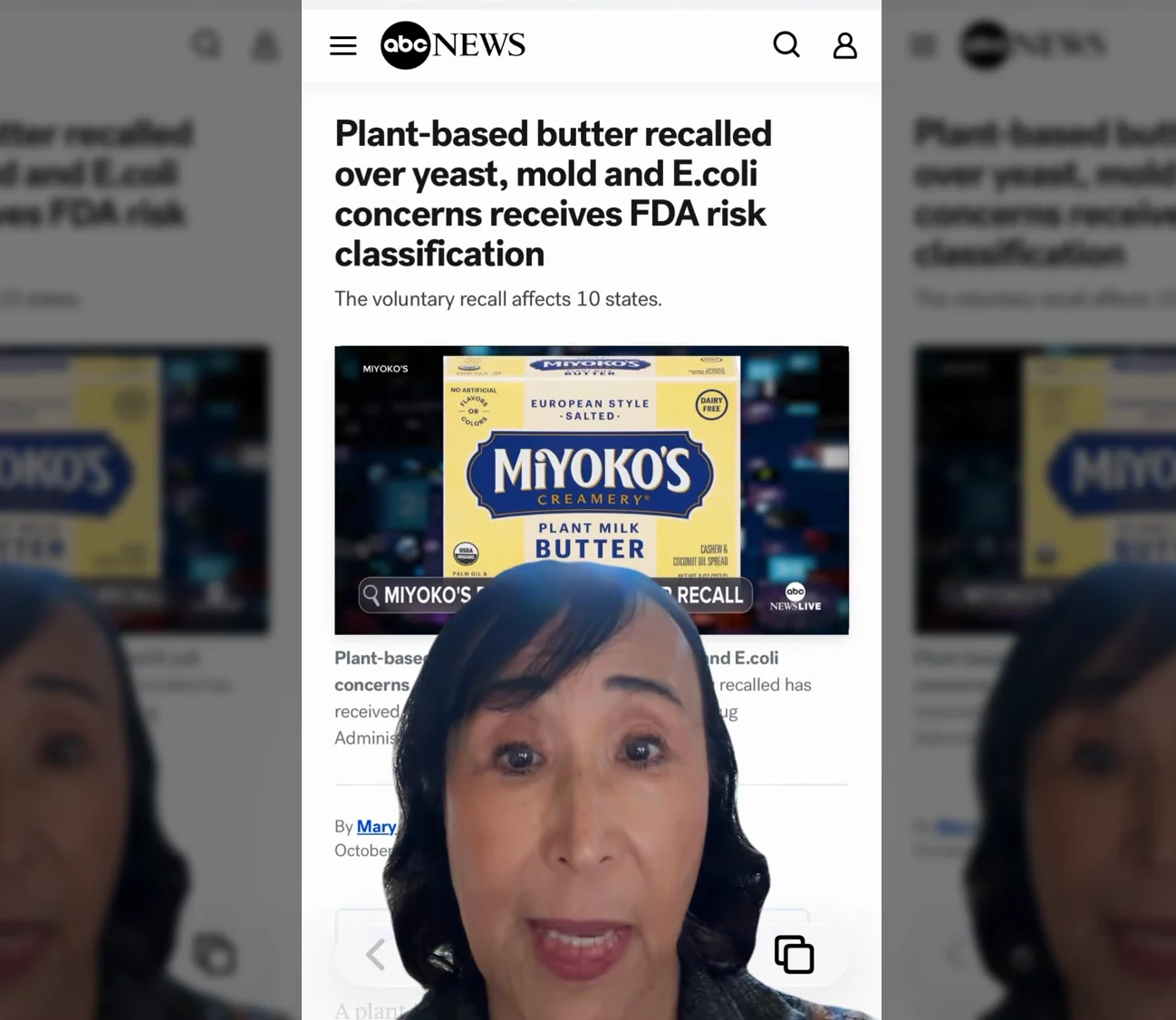 Instagram
A namesake brand without its founder
Schinner founded Miyoko’s Creamery in 2014 and was removed from her leadership role in 2022. In her video, she said the company’s product formulas and ingredient quality had changed since her departure. She also described disputes over intellectual property and the business’s eventual sale. Those claims frame a broader split: a founder may supply a brand with its original identity, but ownership and control can change while the name remains in place.
The company entered liquidation in 2025. Schinner tried to buy it back, but Prosperity Organic Foods, maker of Melt Organic plant butter, won the bid and acquired the brand. Schinner said the company may own her trademark, but that doesn’t give it her “spirit,” “soul,” or “ethics.” Her request to change the name is a pointed attempt to separate her personal reputation from a business she no longer controls. This is more significant than it looks: for shoppers, a founder’s name can function as a signal of continuity, even when the founder says that continuity has ended.
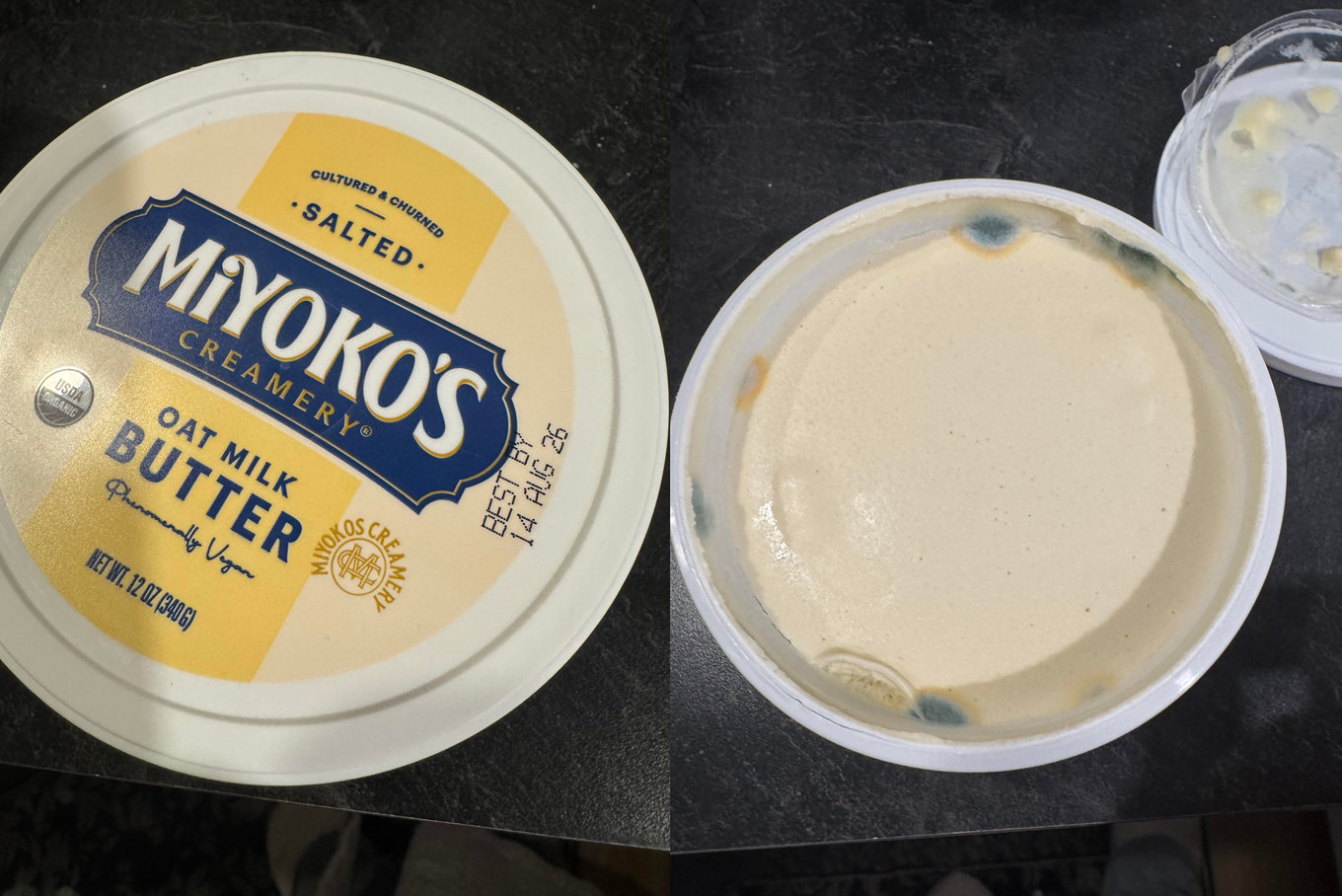 Reddit | Vast-Iron9746
Recall follows customer complaints
The recall comes amid earlier online complaints about product quality. In a Reddit post shared last June, a customer said a newly purchased tub of Miyoko’s butter had visible mold inside. They had driven 30 minutes to buy it after hearing the brand was returning and promoting its original recipe. That detail points to a customer expectation shaped by the company’s earlier identity: the buyer was looking for a product presented as a return to a familiar formula.
Other commenters described butter leaking oil through its packaging and a previous instance of mold in the brand’s cream cheese. These accounts are anecdotal, predate the current recall, and don’t establish a connection to the affected lot. They help explain why the recall may draw broader attention, but they can’t establish a pattern or show what caused the current food safety concern. Here's the thing: complaints posted online can raise questions, but they aren’t a substitute for evidence about a specific product or batch.
 Miyoko’s Creamery
Company says recall was voluntary
Miyoko’s Creamery said on Instagram that it voluntarily recalled a specific lot of European Style Salted Butter after testing raised a potential food safety concern. The company said it coordinated with retail partners and regulatory authorities to remove affected products from shelves, adding that it was committed to earning customer trust through transparency and product quality. That statement describes the company’s response; it doesn’t explain the underlying concern or establish what customers should infer about products outside the named lot.
The recall covers more than 1,300 cases distributed across 10 states. The FDA classified it as Class II on October 23, a category for recalls where exposure may cause temporary or medically reversible health consequences. The classification gives readers a sense of the agency’s assessment of the potential consequences, while the lot and distribution details define the reported scope. If you're working in food production, the basic point is familiar: testing, traceability, and prompt communication shape how a company contains a product issue and how much confidence customers retain.
What the dispute means for the brand
The recall and Schinner’s request for a name change raise separate questions that now meet in public. One concerns a specific lot and the company’s response to a potential safety problem; the other concerns who gets associated with a brand after its founder has left. The first calls for clear information about the affected product. The second turns on the lasting weight of a founder’s name in customers’ minds.
That said, the available details don’t settle how the recall occurred, whether earlier complaints were related, or what the company will do about Schinner’s request. Customers are left to distinguish the company’s current statements from the founder’s description of past practices. For the creamery, restoring trust will depend on what it communicates and how consistently its products meet the expectations attached to the brand. For Schinner, the recall has made the name itself part of the dispute again.
A founder’s reputation can outlast their control of a company. The consequences do, too.
Discussion
Sign in to join the discussion.