Olive oil has nutritional value, but evidence doesn’t show that drinking it before bed adds benefits beyond using it in meals.
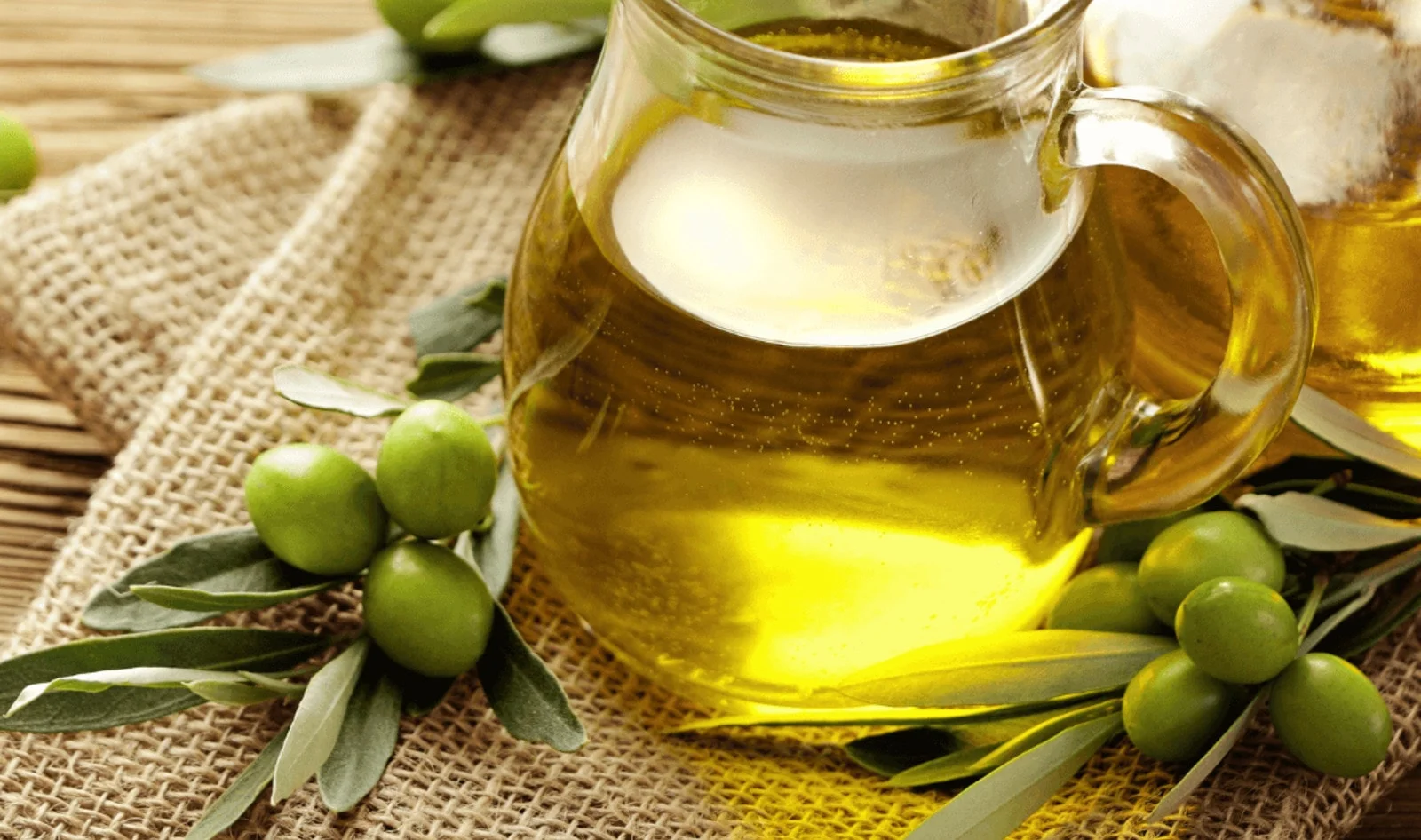
The appeal of drinking olive oil before bed rests on a simple idea: get its healthy fats in one quick dose, perhaps feel fuller overnight, and maybe ease digestion. Olive oil does have nutritional value, and it’s tied to several potential health benefits. But the available evidence doesn’t establish that taking it by the spoonful at night works better than including it in food. For most people already cooking with good-quality olive oil, the viral ritual looks unnecessary.
Olive oil has been part of human diets for millennia. Historians trace its production to around 4,000 BC, and ancient Egyptians, Greeks, and Romans all valued it. Some estimates suggest the average Roman consumed about 20 liters a year. Today, it remains a staple across the Mediterranean and a popular ingredient well beyond it. On TikTok, #oliveoil appears in more than 400,000 posts, including videos promoting bedtime consumption.
A long history, and a modern global trade
Olive oil is made by crushing and pressing olives to extract their oil. Exactly when people began domesticating olive trees for this purpose is unclear, but some reports place the earliest surviving olive oil amphorae—pottery containers used to store and transport oil—around 3,500 BC.
 Pexels
Its trade became a major business over the centuries. Ancient Crete built ships specifically to carry olive oil for export. After European colonization of the Americas began in the late 1400s, olive groves were planted in both the northern and southern parts of the continent. Production today spans many countries, though the Mediterranean remains the industry’s center. Spain leads, followed by Greece and Italy, and the global market is valued at more than $20 billion.
What distinguishes one olive oil from another
Production generally begins with harvesting, often by hand. Farmers shake olives from trees onto nets, then wash and grind them into a paste. During malaxing, small oil droplets combine into larger ones, helping separate the oil from other parts of the fruit. A machine called a decanter typically handles the next extraction step, after which the oil is stored and packaged.
The resulting oils differ in quality and processing. One measure used to classify them is free acidity, which reflects the amount of free fatty acids in the oil. Oleic acid is the main fatty acid in this measure; as a general rule, lower acidity indicates higher quality.
 Adobe
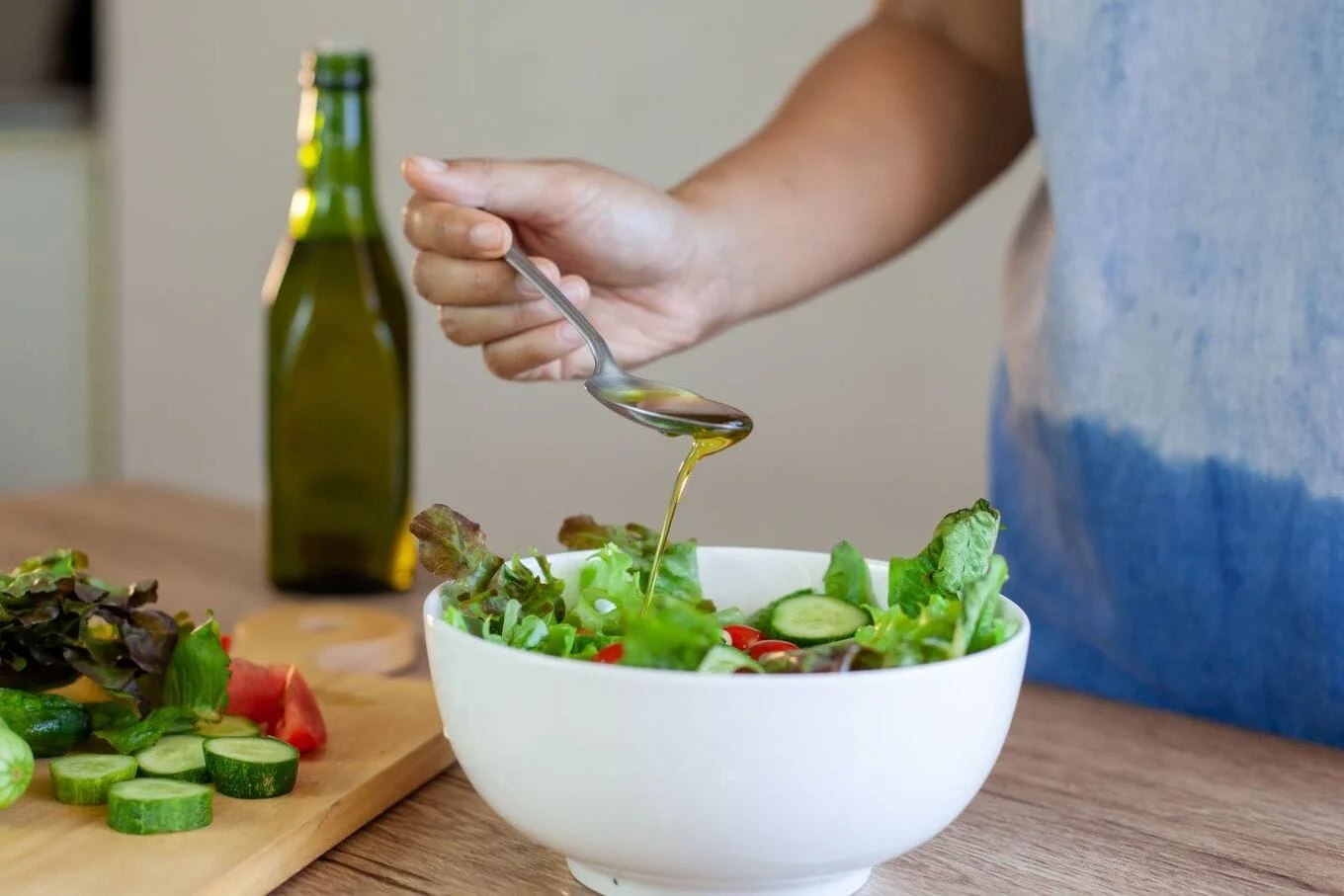
Extra virgin olive oil is the highest grade described here. Its free acidity is no more than 0.8 percent per 100 grams, and it’s commonly used as a finishing oil for salads, pizza, and pasta. Virgin olive oil can have acidity below two percent. It’s considered a lower grade than extra virgin and is often used for cooking or frying.
Oil without a virgin or extra virgin label is likely refined. Refining can make higher-acidity virgin oils suitable for eating, but the resulting product tends to have little taste or smell. The Olive Oil Source, an educational resource, says, “Over 50 percent of the oil produced in the Mediterranean area is of such poor quality that it must be refined to produce an edible product.” Extra light olive oil refers to a pale oil with a mild flavor. Cold-pressed oil is processed without heat and may retain more of its nutrients.
What olive oil may offer
Extra virgin olive oil is valued for its monounsaturated fats, as well as vitamins E and K and antioxidants. Antioxidants help protect the body from free radicals—unstable atoms that can damage cells. That damage can contribute to a higher risk of chronic disease.
 Pexels
Benefits of olive oil
Olive oil’s unsaturated fats are associated with heart health, and some research has linked consumption with a lower risk of stroke. In a 2011 study, researchers reviewed records from more than 7,600 people over age 65 and found that those who regularly consumed olive oil had a lower stroke risk. The finding supports an association; it doesn’t show that olive oil alone prevents stroke.
 Canva
Other reported benefits include effects on skin and hair. Vitamin E and squalane, a lipid naturally produced by skin cells, are linked with skin health. Squalane levels tend to decline with age, which can contribute to drier skin. Healthy fats are also associated with increased hair growth. Olive oil has also been linked to digestive health and may help relieve constipation. Some people believe it can help with insomnia, though the source material doesn’t establish that claim.
The bedtime claim needs stronger evidence
Social media posts often frame nighttime as the best moment to consume olive oil. Supporters say a spoonful could help people feel full, potentially reducing hunger during the night. They also suggest it may ease digestive discomfort or constipation that interrupts sleep. These ideas may sound plausible, but there’s little research showing that drinking olive oil before bed is necessary to gain its potential benefits.
 Pexels
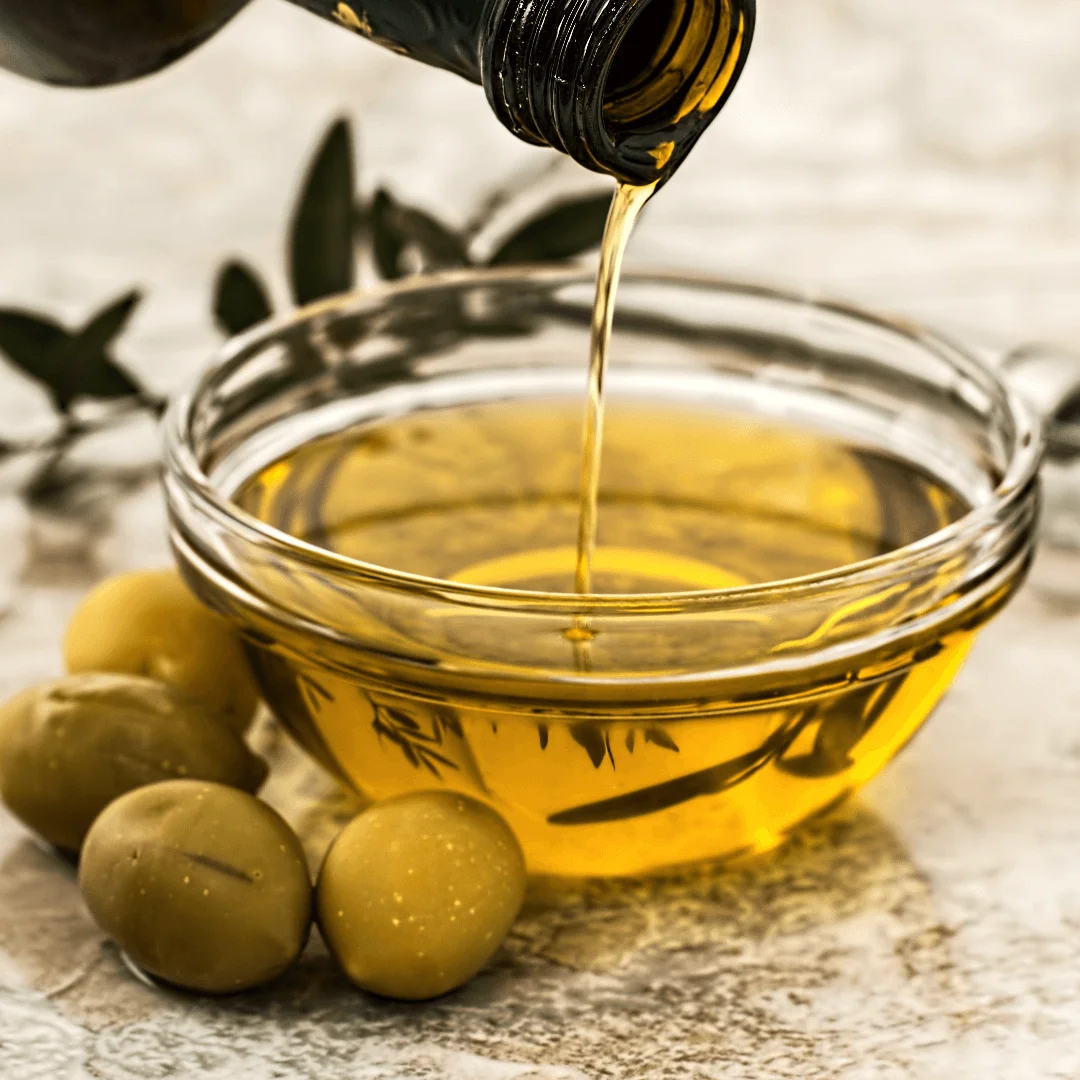
Olive oil can be consumed with food or used in cooking, and extra virgin olive oil retains its health benefits when heated. That makes the bedtime dose difficult to justify as a distinct strategy. Maddie Pasquariello, MS, RDN, told Everyday Health: “There isn’t strong research to suggest that any of the potential benefits couldn’t be achieved through incorporating olive oil into recipes, rather than drinking it straight up.”
She added: “If you already eat a balanced diet, it’s unlikely that you need to be adding more oil to achieve benefits for health. If you’re already using high-quality olive oil in your cooking and using it in the right preparations, you’re getting the benefits.”
That’s the useful takeaway from the trend: olive oil’s place in meals has more support than a special nighttime routine. People who already use a high-quality oil in suitable dishes are likely getting its dietary benefits without drinking it straight. The ritual may appeal to some, but current evidence offers little reason to treat bedtime as a uniquely effective time to take it.


Discussion
Sign in to join the discussion.