A bioengineered, bee-free formula showed activity against a hard-to-treat bacterium in lab tests, pointing to potential uses in wound care.
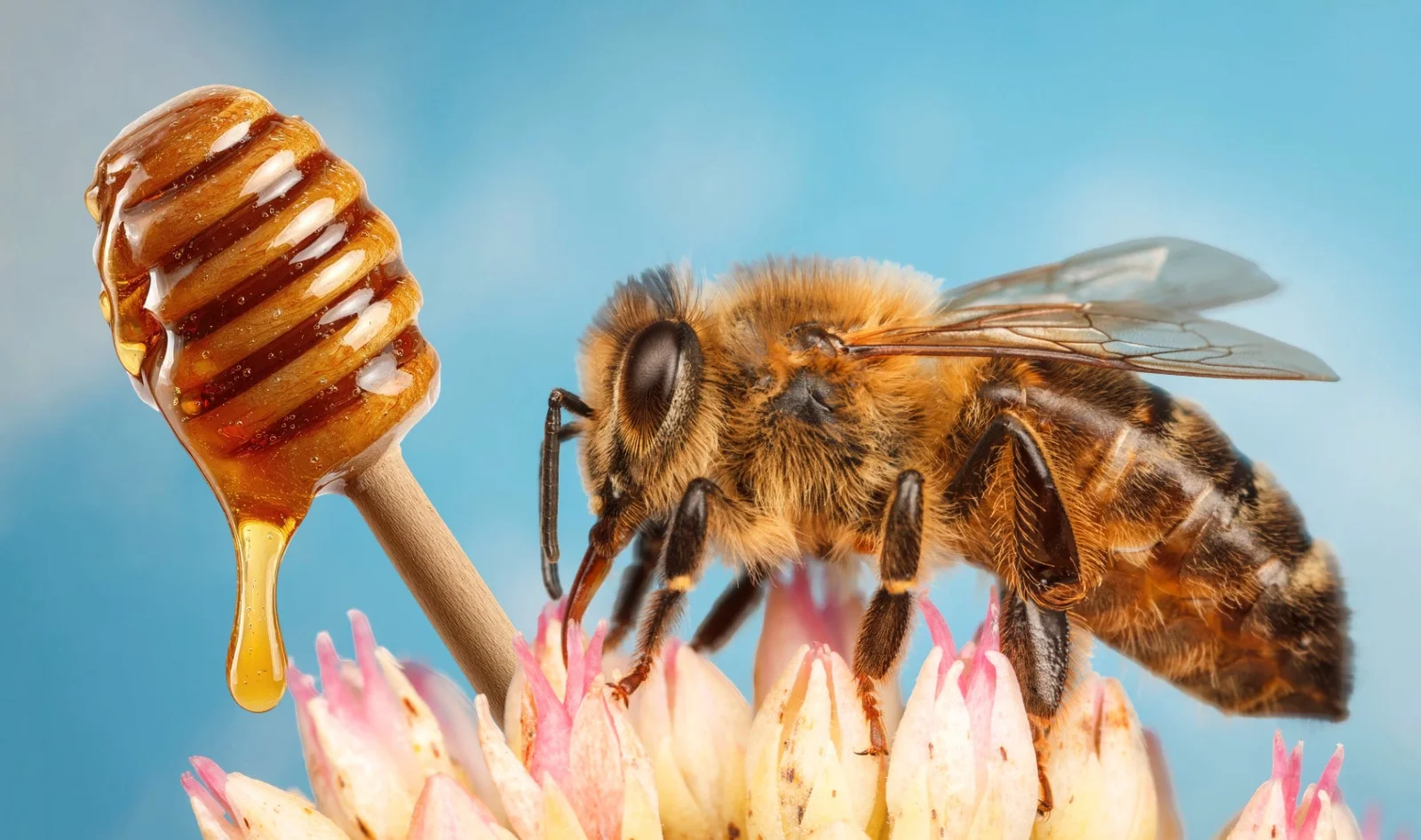
Mānuka honey’s antimicrobial appeal may be possible to reproduce without bees. Researchers at Aston University in Birmingham, UK, report that a bioengineered vegan alternative showed activity against Mycobacterium abscessus in laboratory testing, a bacterium that can cause serious lung infections in some immunocompromised people. That finding is narrow, but it points to a useful research question: can scientists identify the substances associated with an effect and reproduce that effect without reproducing the original product?
The distinction matters because activity in a lab doesn’t establish that a formula will work in a person, or even that it’ll behave the same way in a finished topical product. The report describes an early research result, not a treatment. For now, it offers evidence that a bee-free mixture can show activity against this bacterium under laboratory conditions, while leaving the practical questions of formulation and use open.
The result shifts the focus from honey itself to the compounds behind some of its sought-after effects. The team is investigating methylglyoxal (MGO), which occurs at high levels in mānuka honey, alongside hydrogen peroxide. Both are being considered for formulas designed to mimic the honey’s antimicrobial properties.
That approach treats honey as a starting point for investigation rather than as a single, indivisible ingredient. A natural product can contain several compounds, and their effects may depend on how they interact. Here’s the thing: identifying substances associated with antimicrobial activity is only one part of the work. Researchers still need to understand which combinations matter and whether a designed formula can preserve useful activity when it’s made into a product.
 Unsplash
Separating mānuka’s properties from bee production
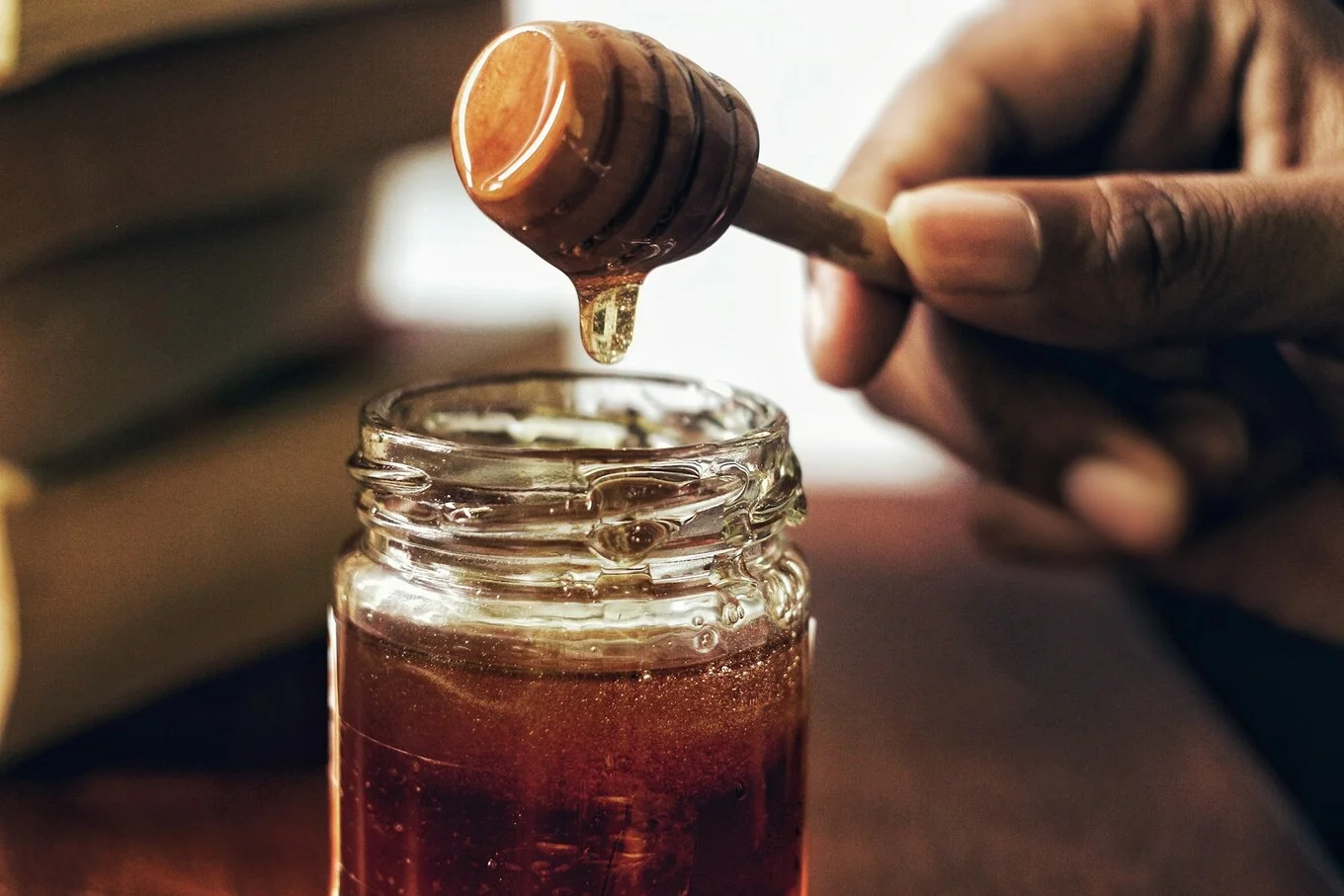
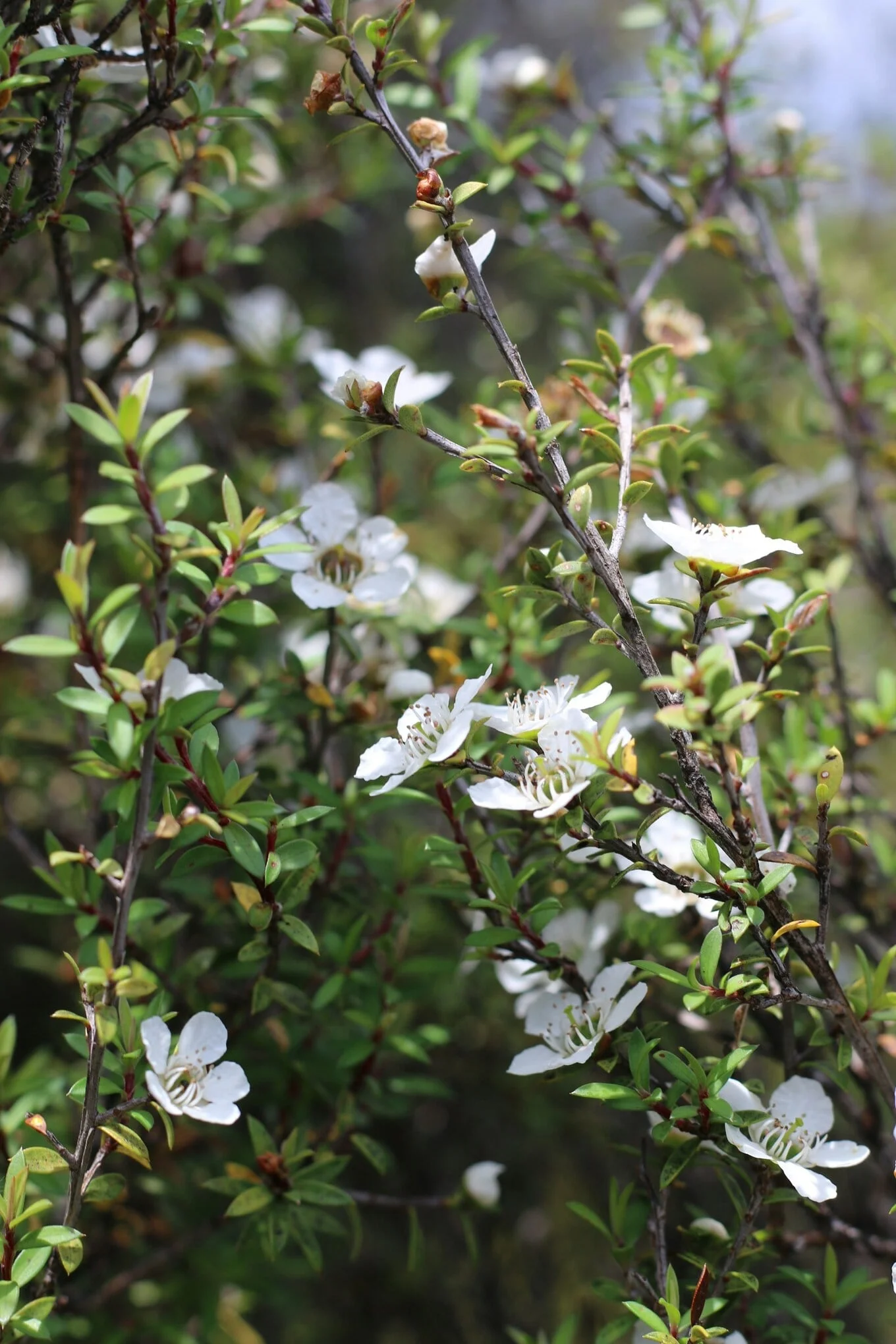
Mānuka honey comes from bees that collect nectar from mānuka flowers. The wider market was valued at more than $426 million in 2025, but production depends on Western honey bees, introduced to New Zealand by the English in the 1830s. Those bees now face pressure from pollution, pesticides and disease. This dependence gives researchers a practical reason to ask whether some of honey’s properties can be reproduced without relying on bee-derived ingredients.
That question doesn’t make a laboratory alternative equivalent to mānuka honey. Honey is a biological material, while a bioengineered formula is designed around selected compounds. The distinction affects what researchers can claim: the current result concerns activity against a particular bacterium in laboratory testing, not a general replacement for honey or evidence that all of its properties have been replicated.
There’s also an ethical question around harvesting honey. The Vegan Society argues that honey is made by bees for their own use, and that collecting it can put their health at risk. It says exploitation, as well as cruelty, falls outside its definition of veganism. A bee-free option could matter to people who avoid animal-derived ingredients, though the research itself doesn’t settle the wider debate about honey production or animal ethics.
It’s a useful reminder that product development can involve more than performance. Ingredients may carry environmental and ethical concerns for some consumers, and a substitute can be judged against those concerns as well as its intended function. If you’re working in this space, the challenge is to be precise about what a new formula does and what it doesn’t yet establish.
 Unsplash
For Māori communities, mānuka has long held value beyond honey. Traditionally, different parts of the tree were used for a range of purposes: leaves for stomach complaints, gum for respiratory problems and burns, and bark as a sedative. The tree is regarded as a taonga, or “treasure.” That history places mānuka in a broader cultural context than its role as a commercial ingredient.
Research into honey-inspired products doesn’t erase that context. A formula based on selected compounds may imitate one measured property, but it shouldn’t be described as a substitute for the tree’s wider cultural significance or traditional uses. And this is the part most people overlook: scientific efforts to reproduce an ingredient’s activity answer a different question from what that ingredient means to the communities connected to it.
What the research could lead to
The work, led by Jonathan Cox, PhD, a senior lecturer in biosciences, is still at the formula development stage. Cox’s team plans to test new combinations to better understand which components account for mānuka honey’s antimicrobial activity and how those might be used in bee-free products. That next stage is central to the claim: if the components or their combinations don’t produce the desired activity, the initial lab result won’t translate into a useful formulation.
“Longer term, this research could help support the development of sustainable honey-inspired antimicrobial products for wound care or other topical applications, without relying on bee-derived ingredients,” Cox said.
That’s a possibility, not a demonstrated outcome. Topical products have to work in the context for which they’re designed, and the source doesn’t report evidence that this formula has been tested in wound care or in people. The researchers’ plan to examine combinations should help clarify what contributes to the lab result, but it doesn’t yet answer how a product would perform in practical use.
He added that studying how honey works could also inform the design of future antimicrobial therapies. The lab result is an early step; the practical question now is whether a bee-free formulation can retain useful activity in products intended for topical care.
This is more significant than it looks, but the significance is methodological rather than clinical: the team is testing whether a valued property can be separated from the source material and rebuilt. That could give researchers a clearer way to study which compounds are doing the work. It still leaves a long chain between a laboratory observation and a product that proves useful beyond the lab.
For readers, the clearest takeaway is the boundary of the evidence. The reported activity is a reason to continue investigating the formula, especially for topical applications; it isn’t proof of a new therapy or a complete stand-in for mānuka honey. A promising direction. The next results will need to show what the formula can do, and under what conditions.

Discussion
Sign in to join the discussion.