Tempeh, seitan and other plant foods offer substantial protein, while serving sizes and dietary needs shape how useful each option is.
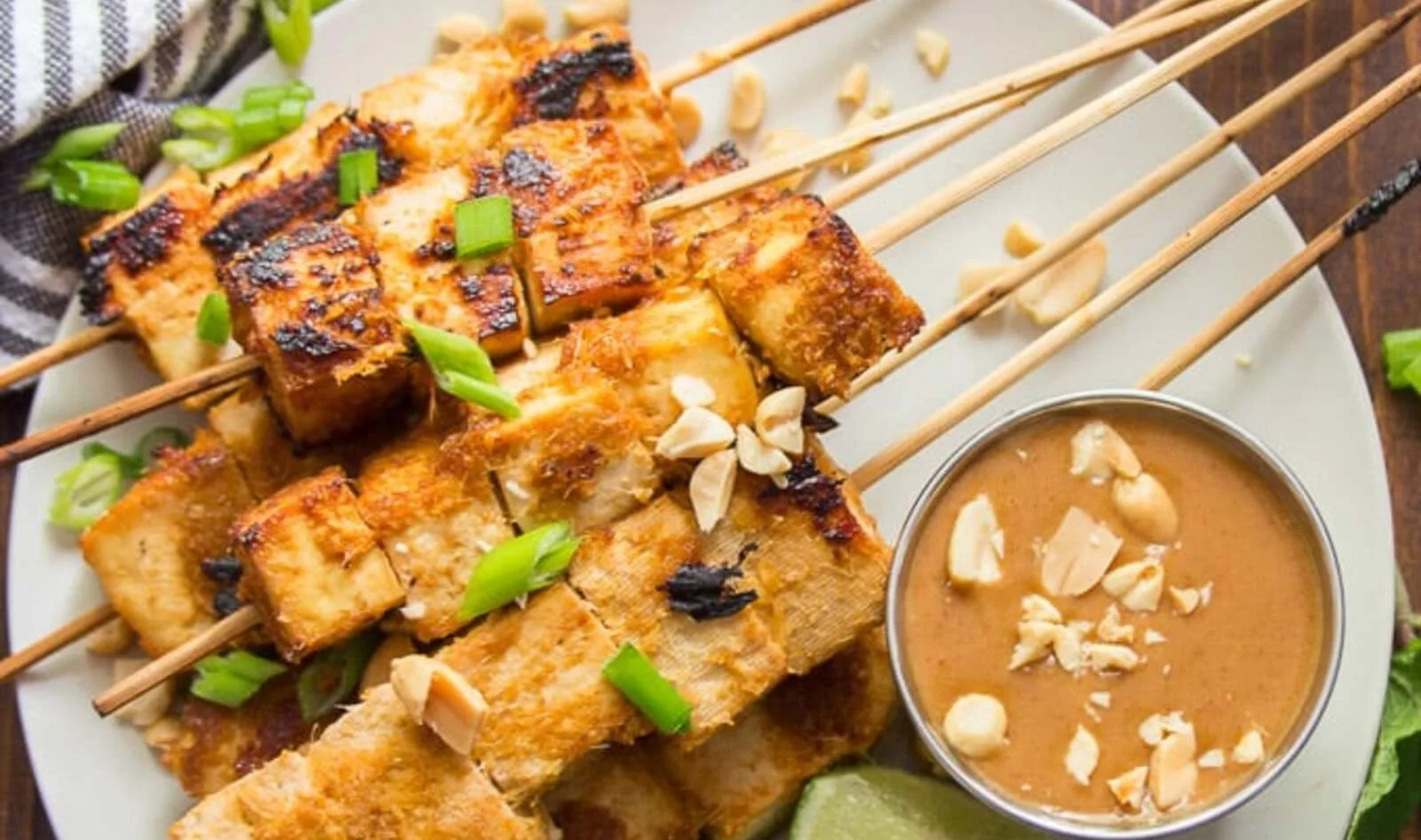
Eggs remain a familiar protein source, but they’re not the only efficient way to build a protein-rich meal. Tempeh and seitan deliver more protein per 100 grams than an egg-based breakfast, while beans, tofu, quinoa and plant-based meat add variety across meals. The practical takeaway: compare foods by serving size and overall nutrition, not just by a single protein number.
That distinction matters as egg demand continues to rise. Statista projects average US consumption at about 274 eggs per person in 2026, compared with 259 in 2025; the figure was 284 in 2024. One egg supplies roughly seven grams of protein, so two provide about 14 grams. A tofu scramble can offer around 19 grams, depending on the recipe.
Protein targets are often lower than the conversation suggests
Protein has become a fixture of social media food advice, but most people in the US already meet or exceed recommended intake, according to the Mayo Clinic Health System. Its general benchmark is 0.8 grams per kilogram of body weight each day. That works out to a little over 50 grams for someone weighing 140 pounds and roughly 72 grams for someone at 200 pounds.
“This is especially true for males ages 19 to 59. The Dietary Guidelines for Americans, 2020 to 2025 indicate that men in that age range are exceeding their protein recommendations, especially from meat, poultry, and eggs,” the Mayo Clinic Health System states.
Protein isn’t confined to meat, eggs, tofu or beans. Matt Frazier, an ultramarathoner and author of The No Meat Athlete, points out that grains and vegetables also contribute. He writes that many whole plant foods, aside from most fruit, get 12 to 15 percent or more of their calories from protein. Taken together, they can supply plenty, including for athletes.
Needs can also change with age. Data from more than 48,000 female nurses in the Nurses’ Health Study links consistently adequate protein intake with healthy aging. That supports paying attention to daily intake without assuming that everyone needs to maximize it.
Eggs offer protein, alongside an ongoing nutrition debate
Two eggs provide about 14 grams of protein, and three provide about 21 grams. Eggs also contain vitamin D, calcium, iron and vitamin B12. Their cholesterol content, however, has been the subject of changing guidance and research. One egg contains around 186 milligrams of cholesterol.
Earlier US dietary guidance advised adults to stay below 300 milligrams of dietary cholesterol a day. Later guidance shifted its focus toward limiting saturated fat, trans fats and added sugars. Healthline describes the change as reflecting research that dietary cholesterol itself doesn’t necessarily raise blood cholesterol levels.
Research findings remain contested. A study analyzing data from 30,000 adults associated higher cholesterol intake with increased cardiovascular risk and mortality. Study author Norrina Allen told the BBC: “We found that, for every additional 300 milligrams of cholesterol a person consumed, regardless of the food it came from, they had a 17 percent increased risk of cardiovascular disease, and 18 percent increased risk of all-cause mortality.” She also said each additional half egg per day was associated with a six percent increase in heart disease risk and an eight percent increase in mortality risk.
Other studies have reported associations between egg consumption and type 2 diabetes, as well as cancer. A National Institutes of Health study suggested that eating two and a half eggs per week might be linked to a higher risk of prostate cancer. These findings describe associations; they don’t settle the effects of eggs for every person or diet.
Research has also linked whole-food, plant-based eating with lower risks of type 2 diabetes, cancer and heart disease. For anyone looking to add plant protein, the following foods offer a range of protein amounts, meal uses and nutritional tradeoffs.
Eight plant-based options to put on the menu
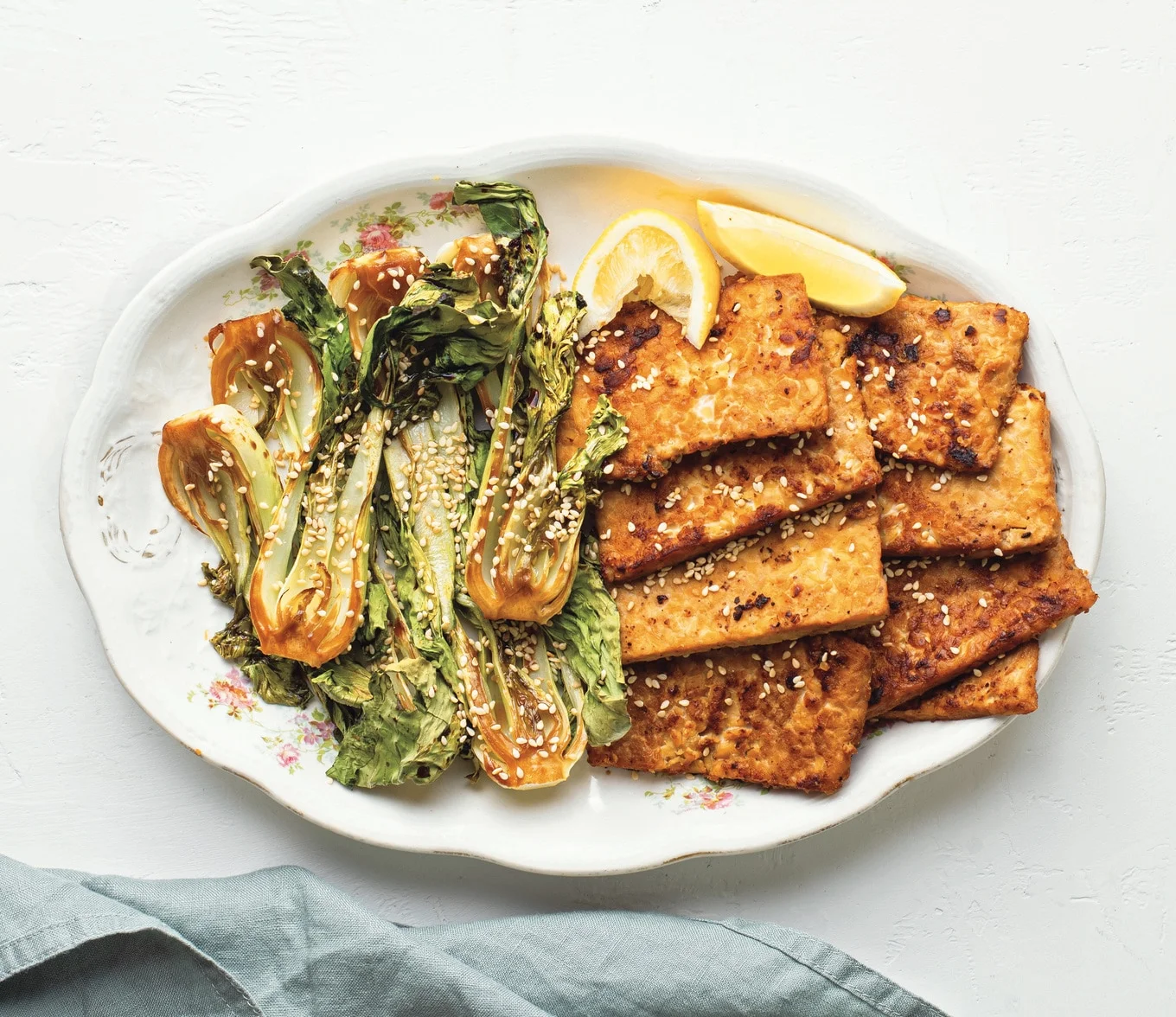 Alexandra Shytsman
1 Tempeh
Protein content: 19 grams per 100 grams
Fermented soybeans give tempeh a nutty, earthy flavor and a firm texture that holds up to grilling, baking or pan-frying. It’s a complete protein, containing all nine essential amino acids, and also provides B vitamins, fiber and probiotics. Try miso-mustard tempeh with roasted baby bok choy.
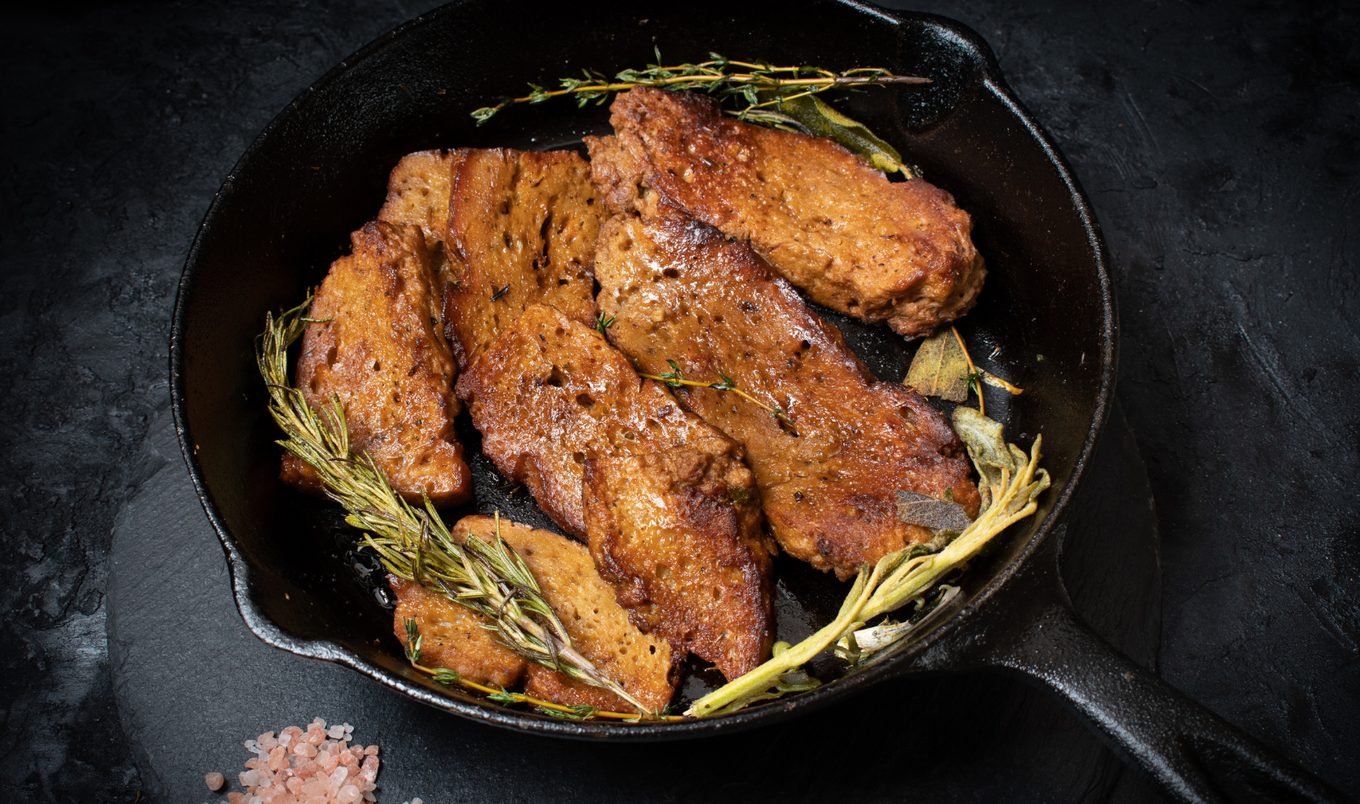 Adela Srinivasan
2 Seitan
Protein content: 25 grams per 100 grams
Made from wheat gluten, seitan is a high-protein option often used in place of meat. Its texture suits dishes that call for grilled or roasted protein, including gyros. The tradeoff is straightforward: it isn’t suitable for people with celiac disease or gluten intolerance. For a meal idea, try Greek seitan gyros with tzatziki sauce.
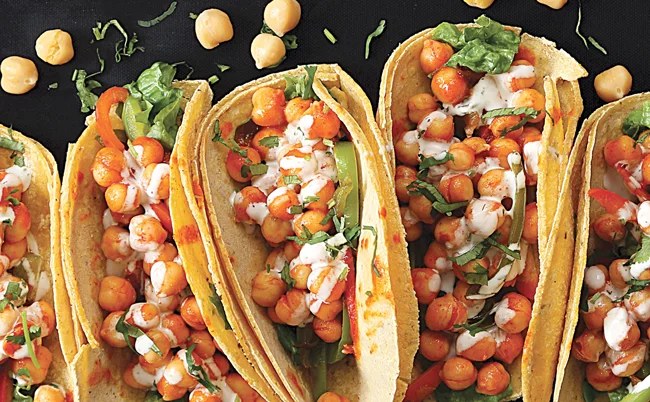 Richa Hingle
3 Chickpeas
Protein content: 19 grams per 100 grams
Chickpeas work mashed into fillings, roasted for a crunchy topping or tossed with seasonings into salads. Their protein comes alongside fiber, vitamins and minerals. They aren’t a complete protein on their own, but pairing them with grains such as rice or quinoa supplies the full range of amino acids. The source’s recipe pick is spicy Buffalo chickpea tacos.
 Nadine Horn and Jörg Mayer
4 Quinoa
Protein content: 8 grams per cooked cup, or about 185 grams
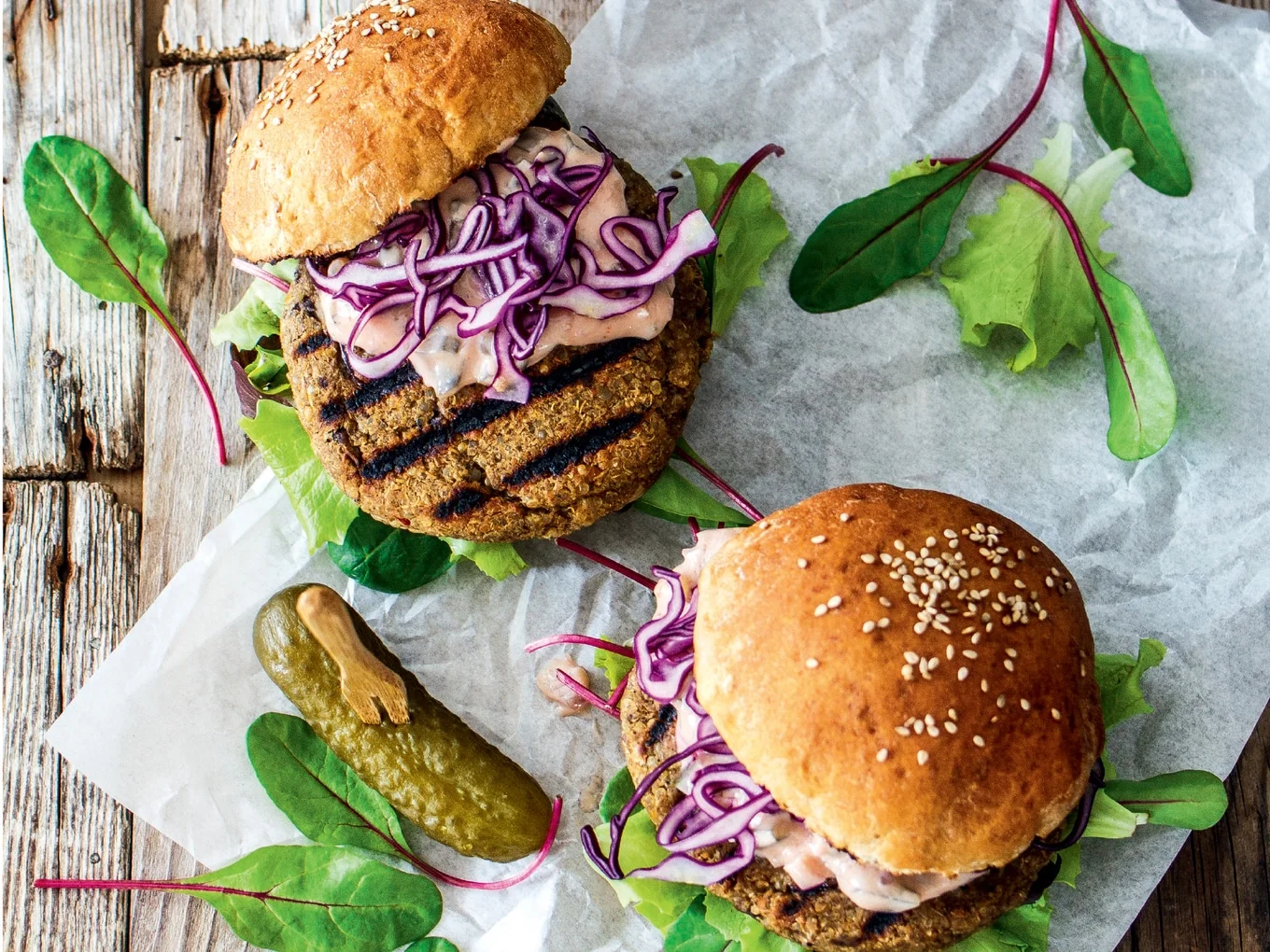
Quinoa contributes protein in a grain-like form that fits salads, bowls and patties. It also contains fiber, B vitamins, magnesium, iron, zinc and potassium, along with the antioxidants quercetin and kaempferol. A useful way to serve it is in grillable quinoa and chickpea burgers.
 Bri Beaudoin
5 Tofu
Protein content: 8 grams per 100 grams
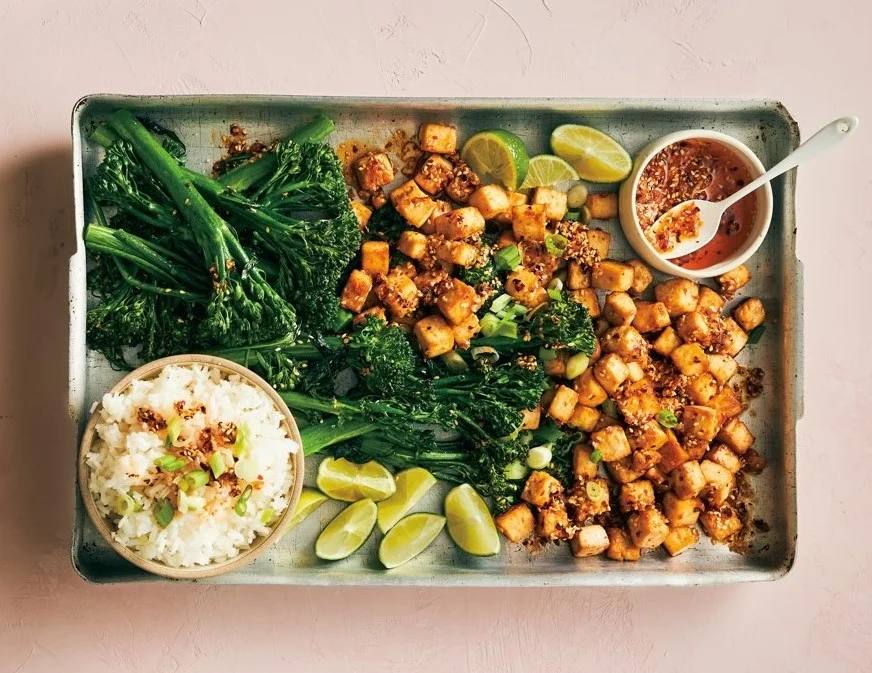
Tofu is another soy-based complete protein, with all nine essential amino acids. It also supplies iron, magnesium and phosphorus, as well as isoflavones. Research suggests these compounds have antioxidant and anti-inflammatory effects and may be associated with a lower risk of some cancers, including breast cancer. For a spicier preparation, try firecracker tofu with broccolini and chili garlic oil.
 Hannah Sunderani
6 Black beans
Protein content: 15 grams per cup, or about 172 grams
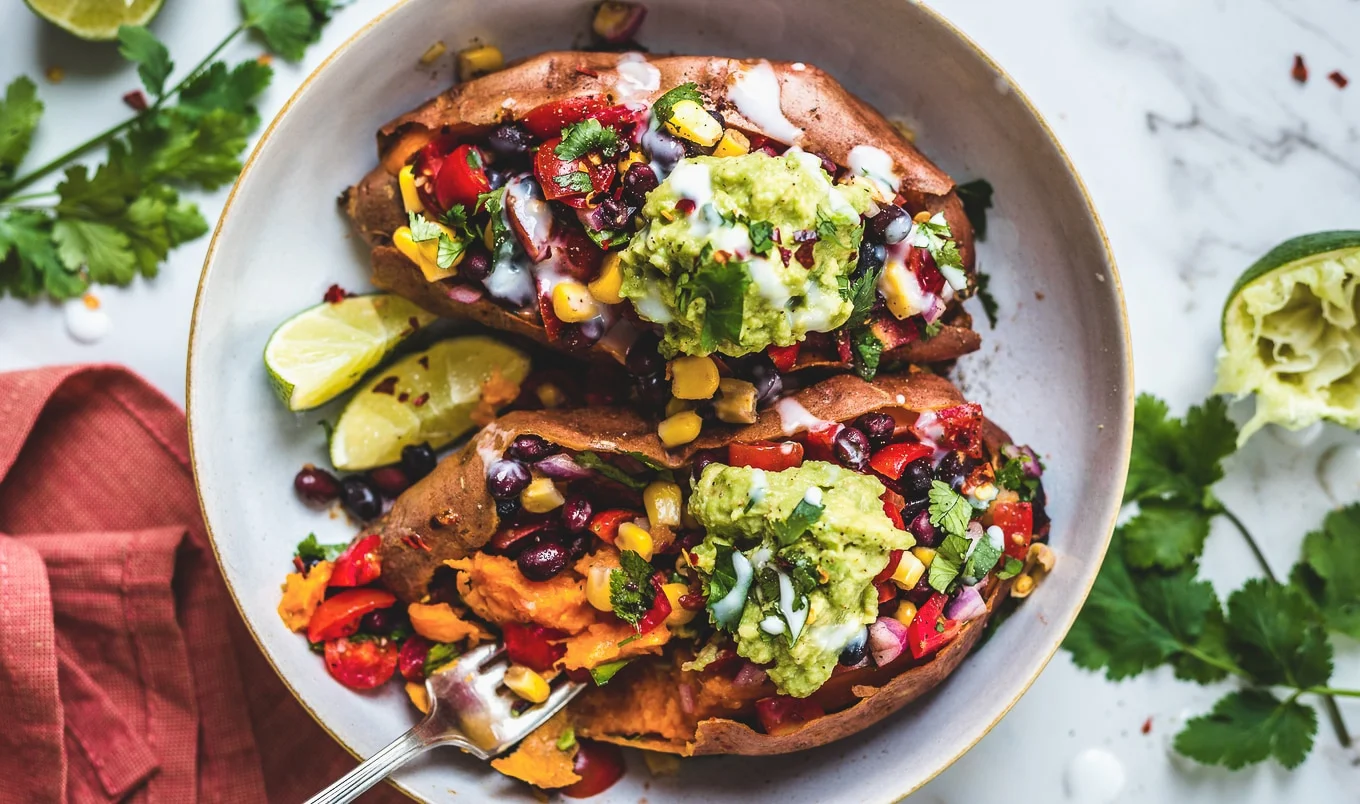
Black beans combine protein with fiber, folate, iron, magnesium, potassium and phosphorus. They’re also rich in anthocyanins, a group of flavonoids associated with protection against oxidative stress and reduced inflammation. Beans feature prominently in several Blue Zones, areas known for comparatively long, healthy lives. Try them in black bean-stuffed sweet potatoes with coconut sour cream and guacamole.
 Dreena Burton
7 Edamame
Protein content: 11 grams per 100 grams
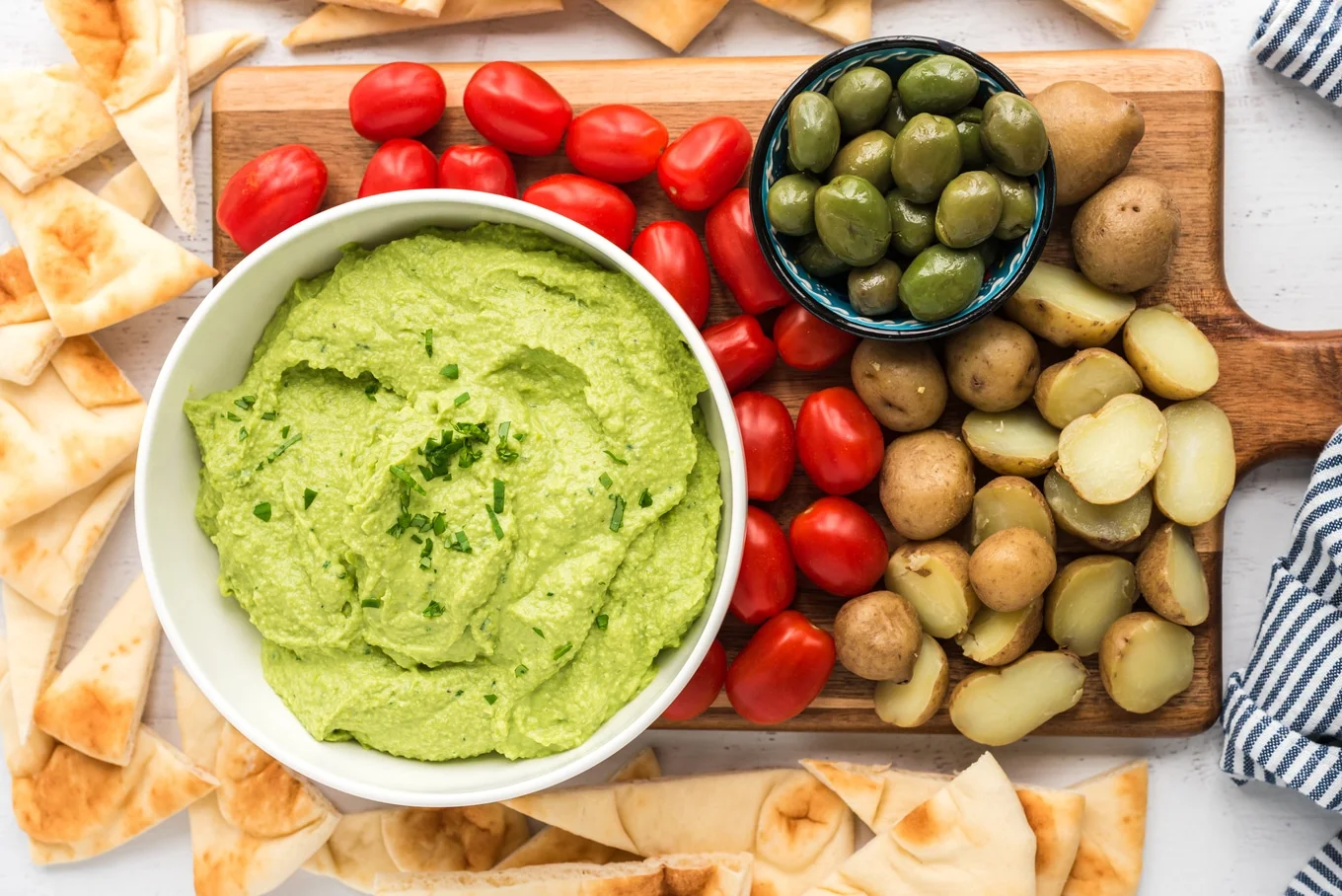
These young soybeans provide complete protein, fiber, folate, vitamins K and C, iron, calcium, magnesium and potassium. They’re easy to add to salads or blend into hummus; simply boiled with a little sea salt, they also make a practical snack. The recipe suggestion is avocado edamame hummus.
 Brianna Claxton
8 Plant-based meats
Protein content: Varies by product. A Beyond Burger patty has 21 grams; Quorn Chicken Style Pieces have about 14 grams per 100 grams.
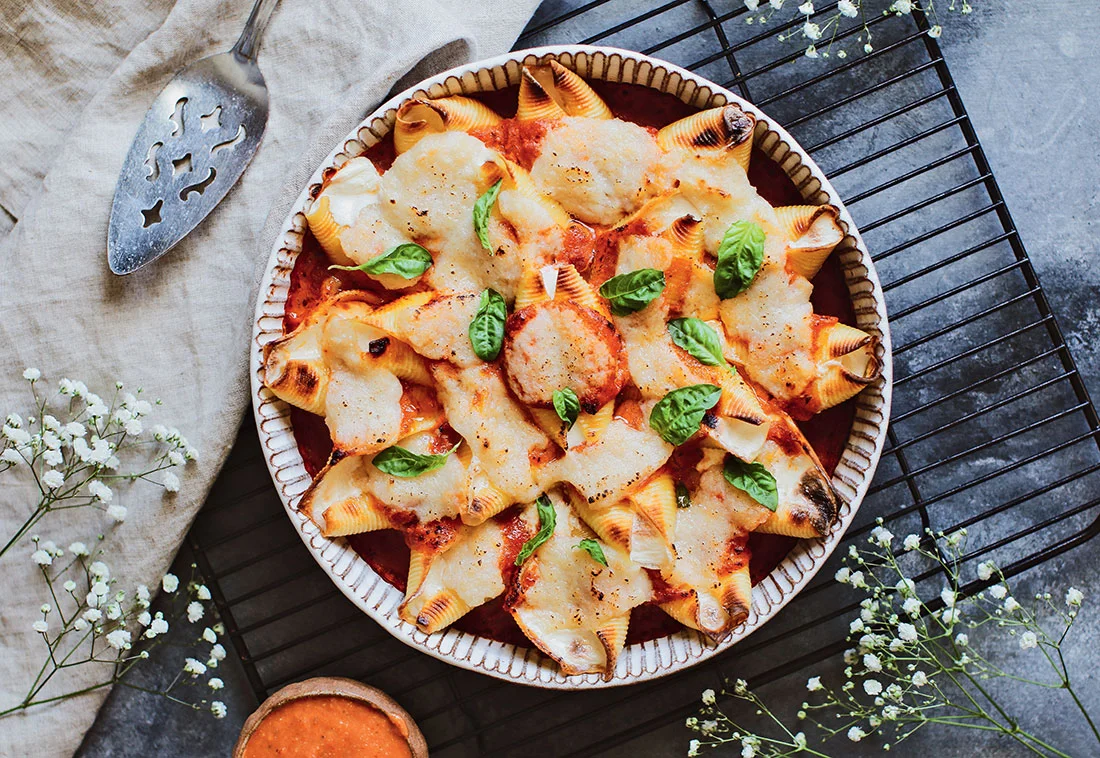
Ready-made plant-based meats can fill the role of burgers, sausages, ribs or meatballs when convenience and familiar textures matter. Their protein content varies, so check the product and serving size rather than assuming all options are equivalent. For dinner inspiration, try vegan sausage and ricotta stuffed shells with vodka sauce.
Compare portions, then build meals around variety
The listed figures use different measures: some are per 100 grams, others per cup, and the plant-based meat examples are product-specific. An egg contains about seven grams, but a fair comparison depends on how much of each food people actually eat. Protein totals also add up across meals, so a plate built from grains, beans and vegetables can contribute more than any one ingredient suggests.
For a direct swap, tofu and tempeh bring complete soy protein; seitan offers the highest listed amount but contains gluten; chickpeas and black beans add fiber; and quinoa works well alongside legumes. The useful next step is less about chasing a single headline number and more about choosing protein sources that fit the meal, serving size and individual dietary needs.

Discussion
Sign in to join the discussion.