Five low-effort vegan meals pair pantry staples and frozen produce to make filling, budget-friendly eating easier on busy or low-energy days.
Low-effort cooking often breaks down at the cutting board. A recipe may promise a quick meal, then ask for chopped onion, diced vegetables and several minutes of prep. For people managing a packed schedule, chronic pain or mental health challenges, that can be enough to make cooking feel out of reach. Five simple combinations show how pantry staples, frozen produce and ready-to-heat ingredients can keep a vegan meal practical without turning preparation into a project.
The useful shift is to treat convenience as part of the recipe. Frozen spinach, bagged mixed vegetables, canned lentils and microwaveable rice can do much of the work. These ingredients also make it easier to build a meal around foods that are affordable and filling, rather than relying on takeout or prepared meals that may not suit a person’s budget or preferences.
Build a low-effort pantry
Rhyan Geiger, a registered dietitian nutritionist and owner of Phoenix Vegan Dietitian, points to pasta and bread as useful foundations for inexpensive meals. “Pasta dishes are a go-to for affordable and easy vegan recipes. There’s nothing wrong with pasta. And, a loaf of bread can go a long way,” she says.
 Pexels
A pantry stocked with plant-based staples can shorten the distance between hunger and dinner. Geiger recommends frozen fruits and vegetables, brown rice, peanut butter, whole-grain pasta and whole-grain bread. They keep for longer than many fresh ingredients, can be combined in different ways and often need little preparation. The aim isn’t to follow a rigid meal plan; it’s to have enough building blocks on hand to make a meal when energy is limited.
Five meals with minimal prep
Each of these ideas can be adjusted to fit what’s already in the kitchen. Frozen produce, prepared grains and simple seasonings help keep the work manageable while adding variety.
 Sam Turnbull
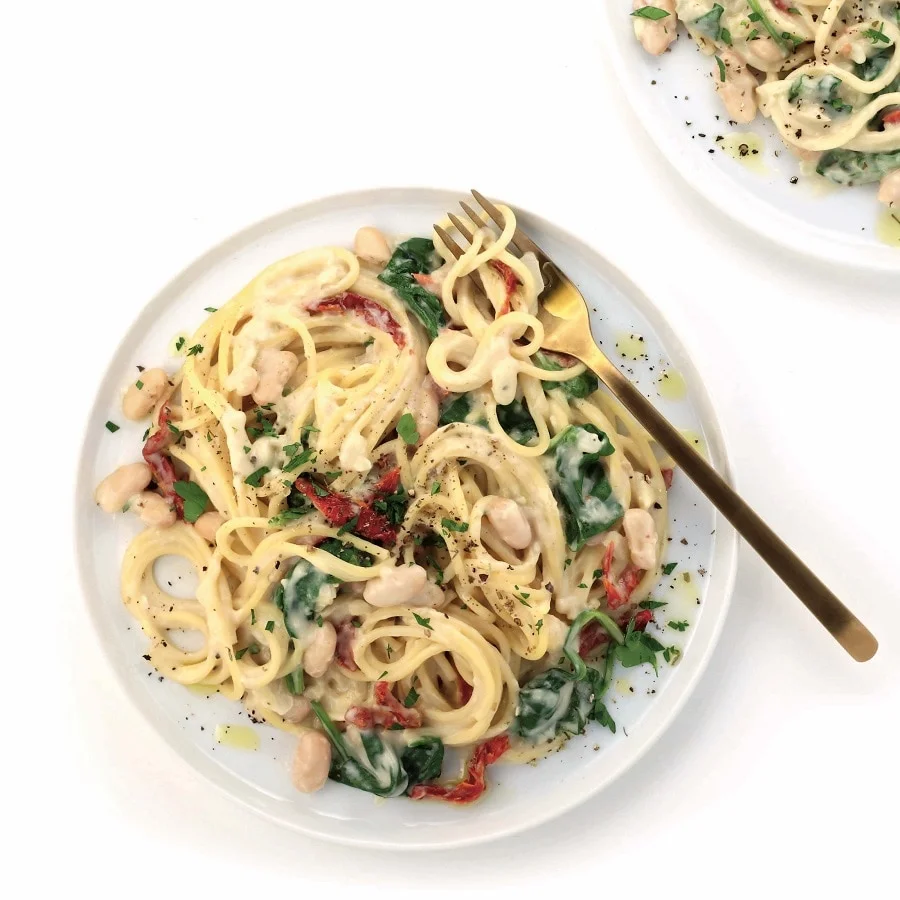
1 Whole-grain pasta with frozen greens and beans
Pasta offers a flexible base that’s quick to cook and easy to scale up. Combine whole-grain noodles with frozen spinach, shelled edamame and extra virgin olive oil. The pasta supplies carbohydrates, while edamame adds protein and spinach brings vegetables into the bowl without any chopping.
Geiger says ideally half of a person’s daily grains should be whole grains. Compared with refined pasta, whole-grain pasta tends to provide more fiber, protein and B vitamins. She also recommends making spinach a substantial part of the dish: “Adding a bunch of spinach will boost the nutritional value and should make up about half of your plate or bowl.”
Garlic powder, red pepper flakes, black pepper and nutritional yeast can add flavor with little effort. For another version, try spaghetti with spinach and white beans, replacing its chopped onion and garlic with one tablespoon of onion powder and one teaspoon of garlic powder.
 See D Jan
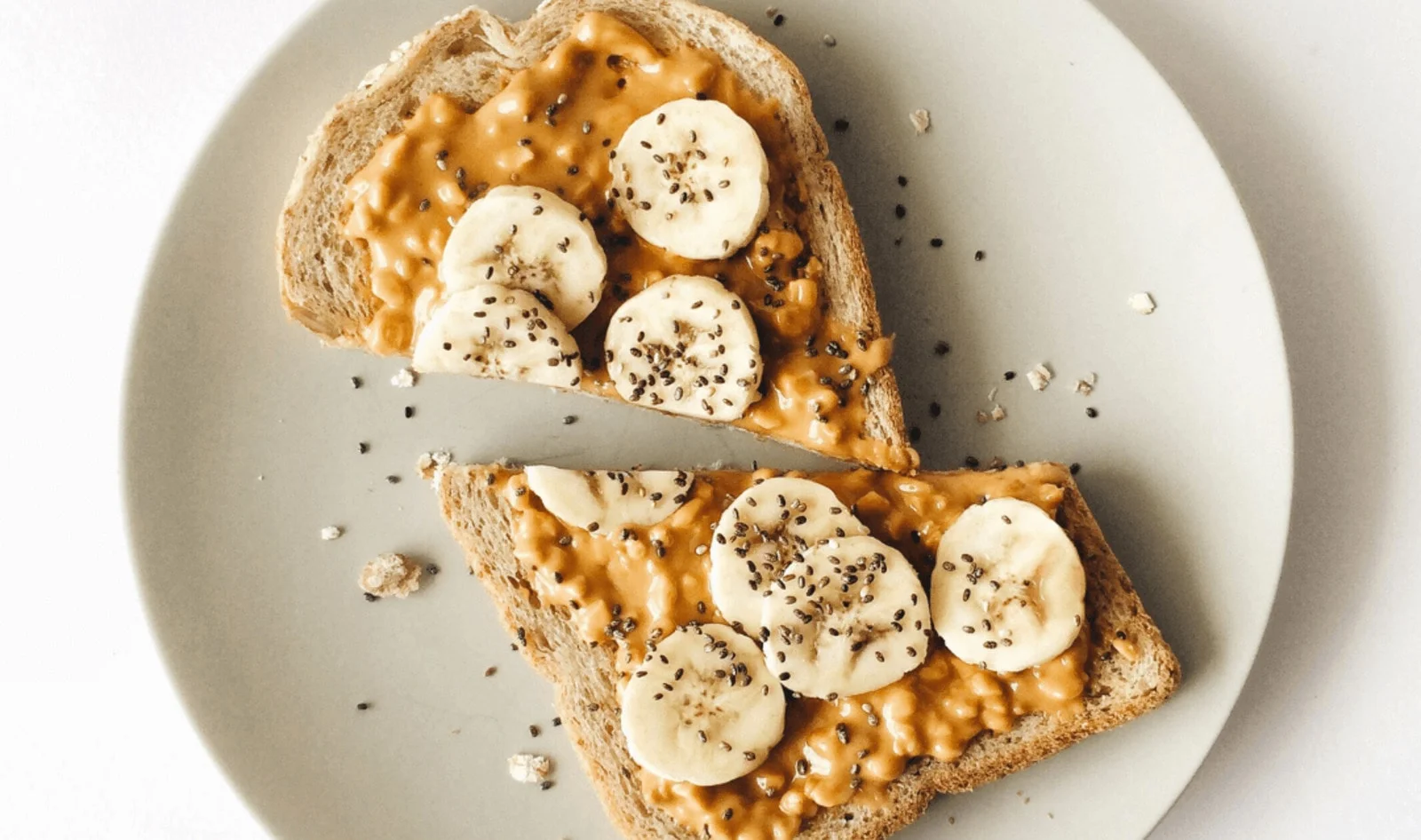
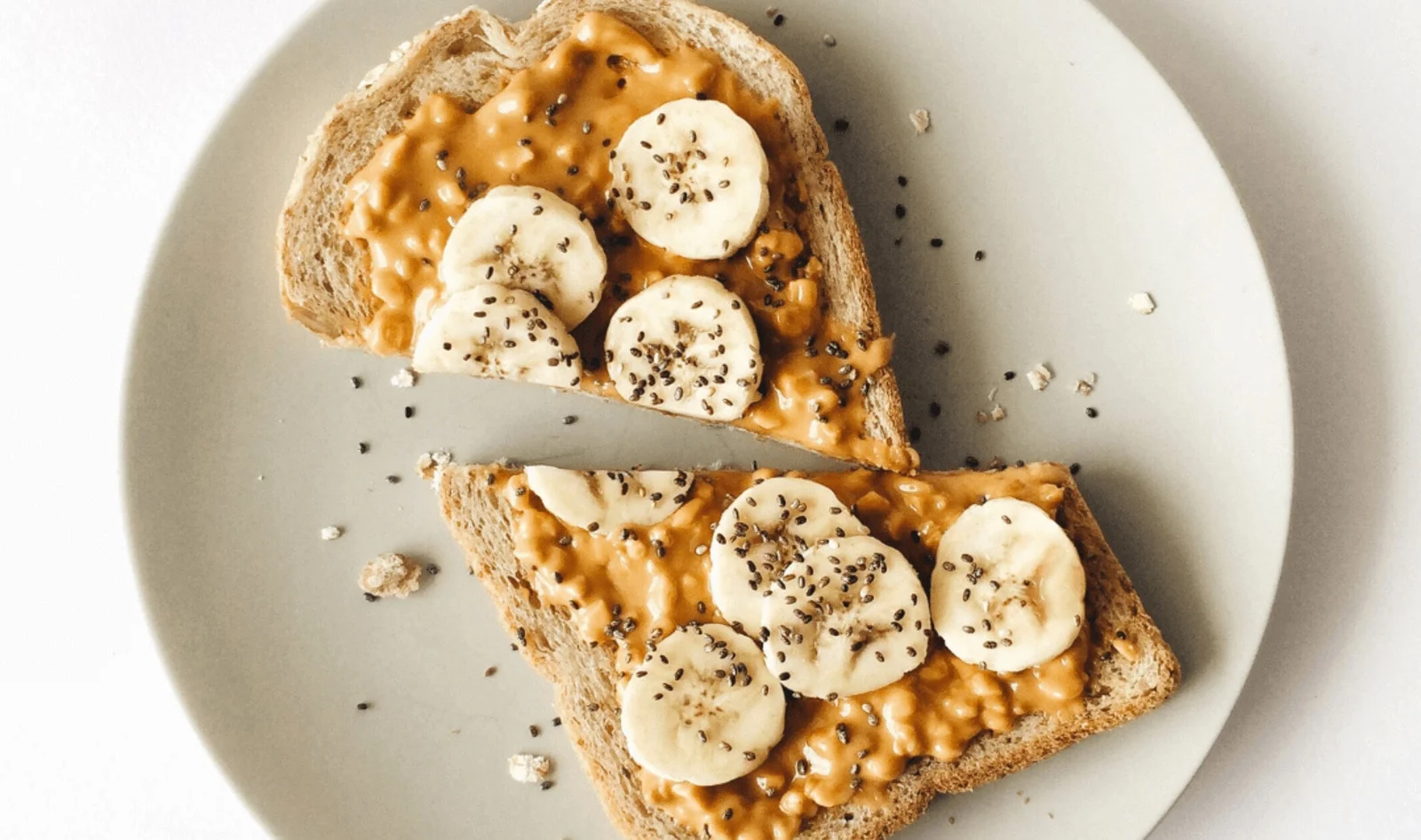
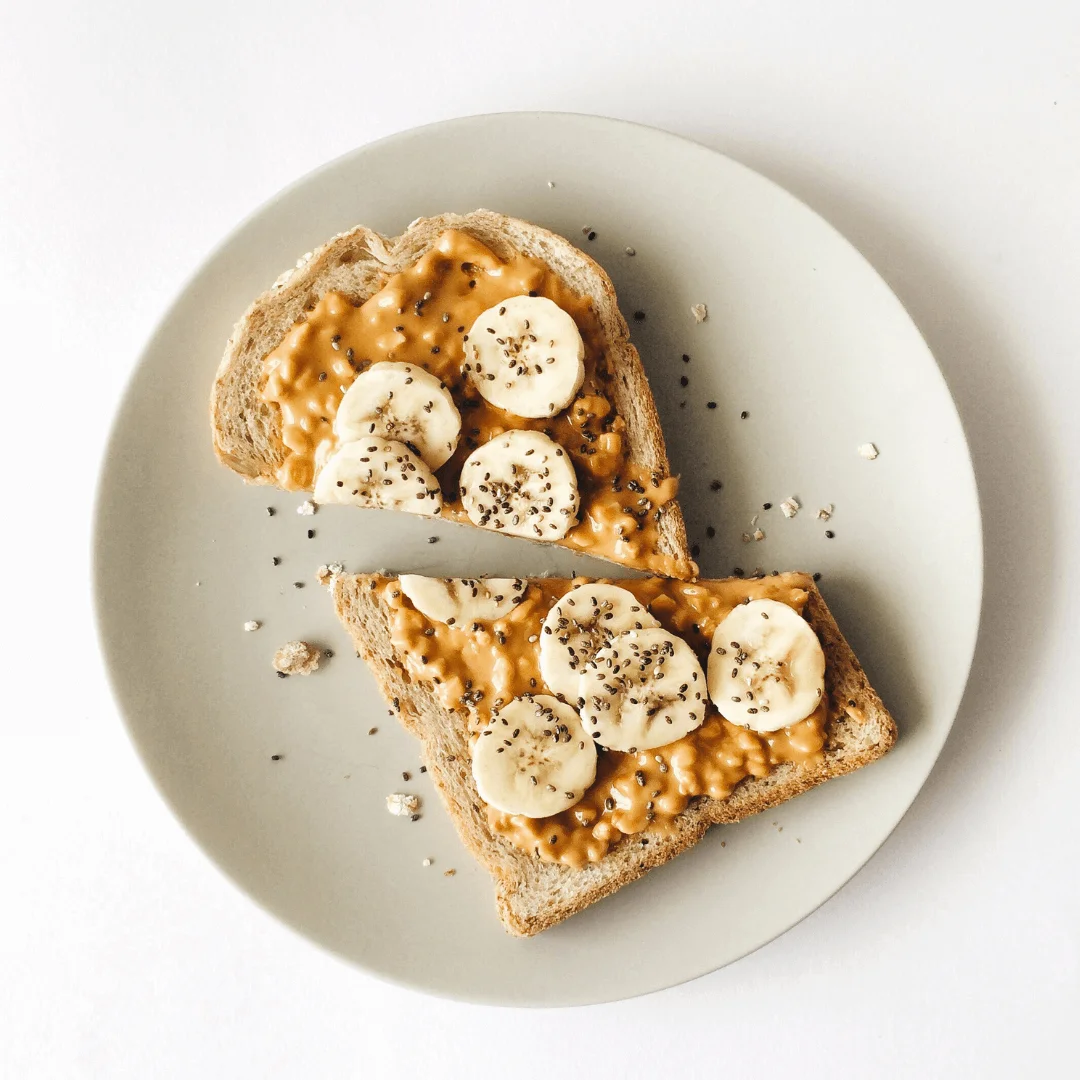
2 Whole-grain toast with peanut butter and banana
Toast is more than a breakfast fallback. Two slices of whole-grain bread spread with peanut butter and topped with banana make a fast meal from ingredients that are easy to keep on hand. One slice can work as a snack; Geiger suggests two for a meal, depending on hunger and activity.
The combination pairs the complex carbohydrates in whole-grain bread with the banana’s carbohydrates. Peanut butter contributes plant-based protein and fat, which can help the meal feel satisfying, especially when there’s a long gap before the next chance to eat. No special equipment or advance preparation is required, and the toppings are easy to change if another fruit or nut butter is available.
 Vaaseenaa
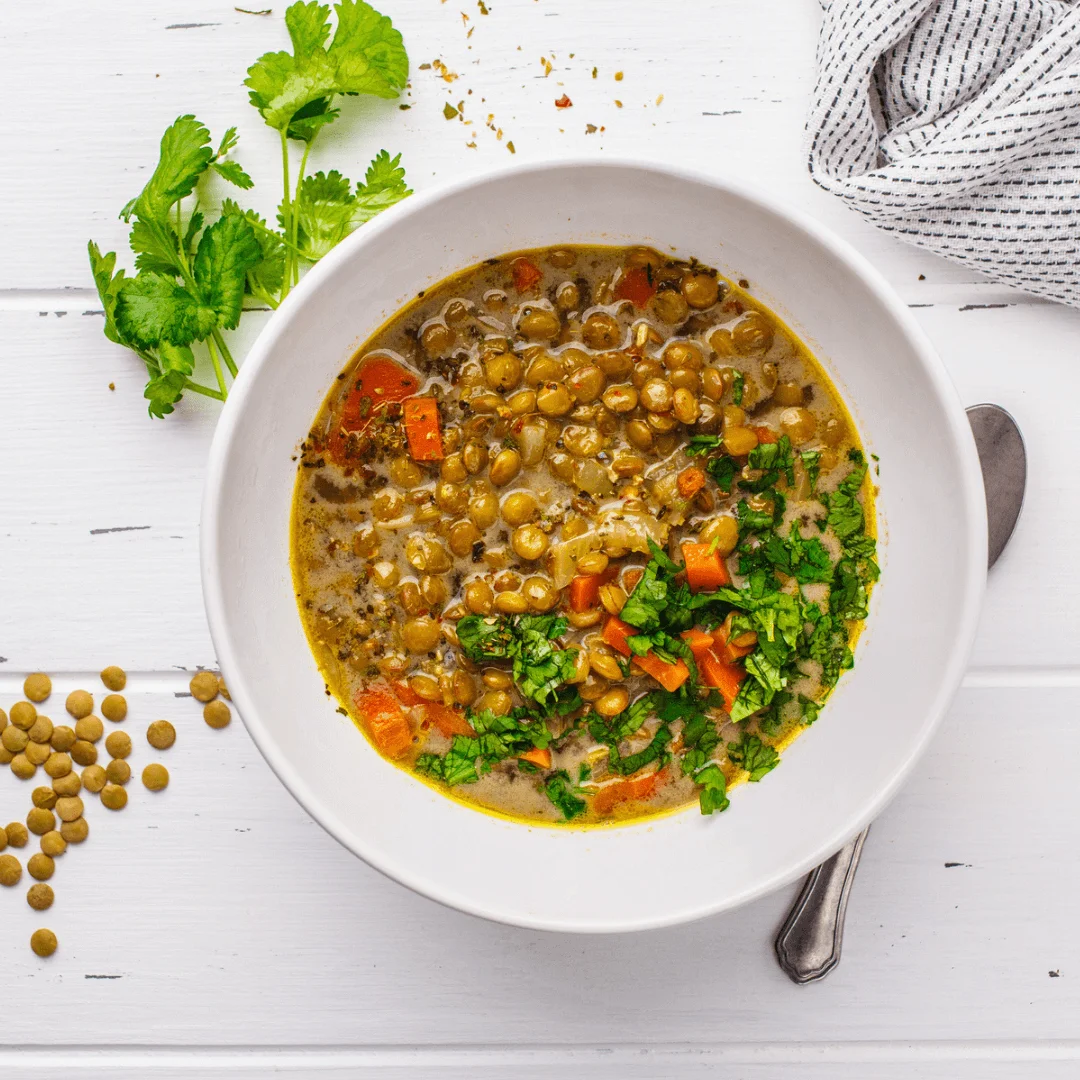
3 Dressed-up low-sodium canned lentil soup
Canned soup can deliver a warm meal with very little work, though a can on its own may not be filling enough. Choose a lentil soup for a source of protein, then add frozen vegetables or brown rice. Whole-grain toast on the side is another easy way to make the meal more substantial.
Geiger recommends choosing frozen broccoli and peppers instead of relying only on vegetables such as corn and peas. A low-sodium soup is a sensible pick for regular meals. If that option isn’t available, she says having standard soup occasionally is fine; the key is not making high-sodium choices a constant part of the routine.
 Rocky89
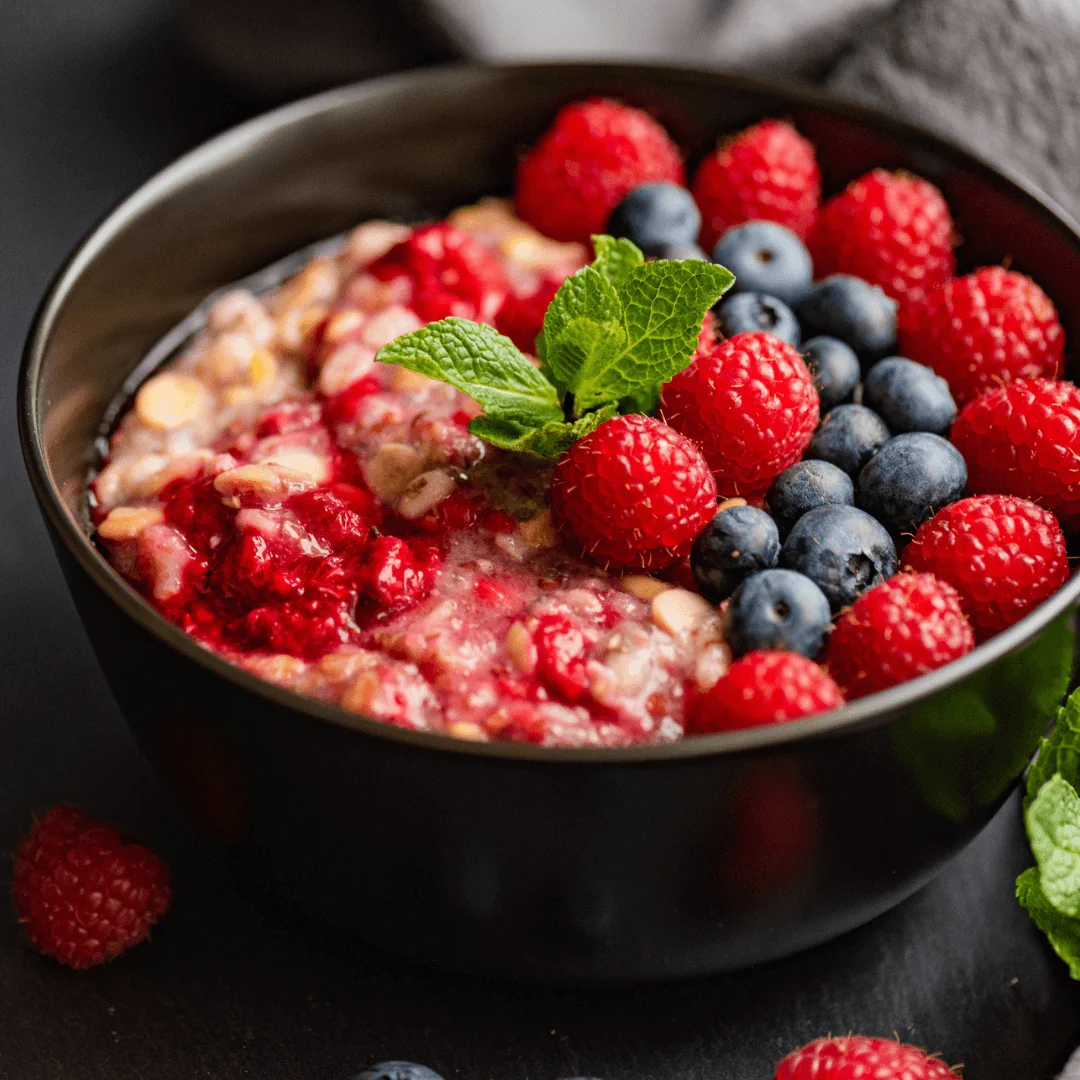
4 Oatmeal with frozen fruit and peanut butter
Oats are inexpensive, versatile and quick to prepare. They provide complex carbohydrates, fiber and protein, along with nutrients including manganese, copper and vitamin B1. Make them warm in the microwave or eat them cold, depending on the time and energy available.
Geiger suggests adding frozen strawberries or blueberries to the oats and microwaving them together. Frozen fruit is often as nutritious as fresh fruit, and may be more nutritious in some cases, according to research. It can also cost less and keeps longer, reducing the chance that fruit will spoil before it’s eaten. Fresh fruit on sale can be frozen at home for later, too.
A spoonful of peanut butter adds protein and fat, rounding out a bowl made from basic ingredients. Oats can be purchased in bulk, which gives shoppers the option to buy just the amount they need.
 Julieanna Hever
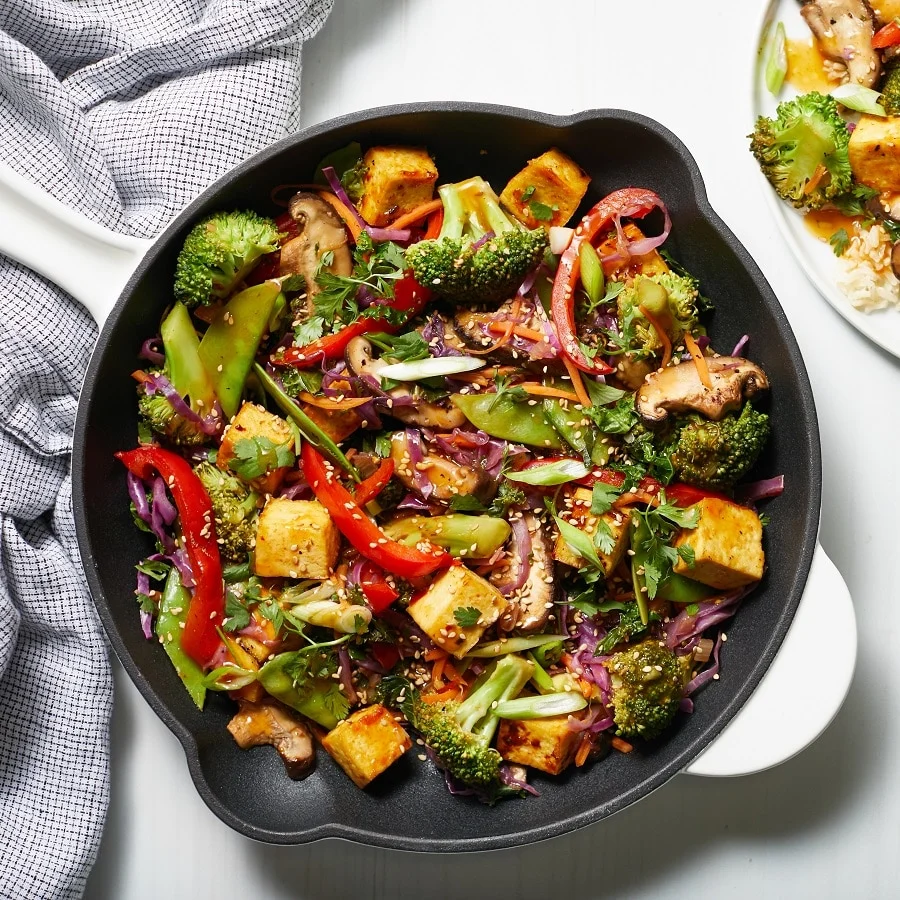
5 Stir-fried vegetables with rice
A stir-fry can use frozen vegetables straight from the bag, making it a practical way to cook without chopping. Look for a mix that includes ingredients such as onions and bell peppers for added flavor. Geiger describes stir-fry as a useful way to eat more vegetables and use up ingredients before they spoil; the combination can change based on what’s available.
Serve the vegetables over microwaveable brown rice to reduce cooking time. If there’s more energy available, cooking a larger batch of rice can provide a ready base for meals later in the week. Add avocado if it’s on hand: Geiger says it brings flavor and fat that can help the meal feel more filling.
To simplify this vegetable stir-fry, use a bagged vegetable mix and pre-baked, seasoned tofu. Those swaps keep the meal’s basic idea intact while cutting down on prep.
The common thread across these meals is a small set of dependable ingredients: grains for a base, beans or peanut butter for protein, and frozen produce for color and variety. Keeping those options within reach makes a low-energy dinner easier to start—and easier to repeat.

Discussion
Sign in to join the discussion.